North Carolina Asian Americans Together
When Courts Step Back, We Step Forward

On April 29, 2026, the U.S. Supreme Court’s decision in Louisiana v. Callais dealt a major blow to voting rights. By requiring proof of “intentional discrimination”—an incredibly high legal bar—the Court has effectively dismantled the standard that once protected voters from discriminatory outcomes. In practice, this means that even if a map clearly reduces the voting power of Black, Asian American, and other communities of color, it is now far more difficult to overturn in court.
What This Means for North Carolina
North Carolina has a long, documented history of redistricting litigation. This ruling directly affects our ongoing court cases and makes them significantly harder to win. For a state where district lines are constantly contested, the stakes for the 2026 elections have never been higher.
With federal legal protections weakening, the people who draw the lines and the judges who review them—our state legislators and local judges—now hold more power than ever over the future of our representation.
Our Response: Building Community Power
While the legal landscape is shifting, our mission remains the same. When legal protections weaken, community power must grow stronger. NCAAT is doubling down on:
- Multilingual Voter Education: Breaking down language barriers so every voter understands their rights and the impact of new maps.
- Year-Round Organizing: Moving beyond election cycles to build permanent advocacy for fair representation.
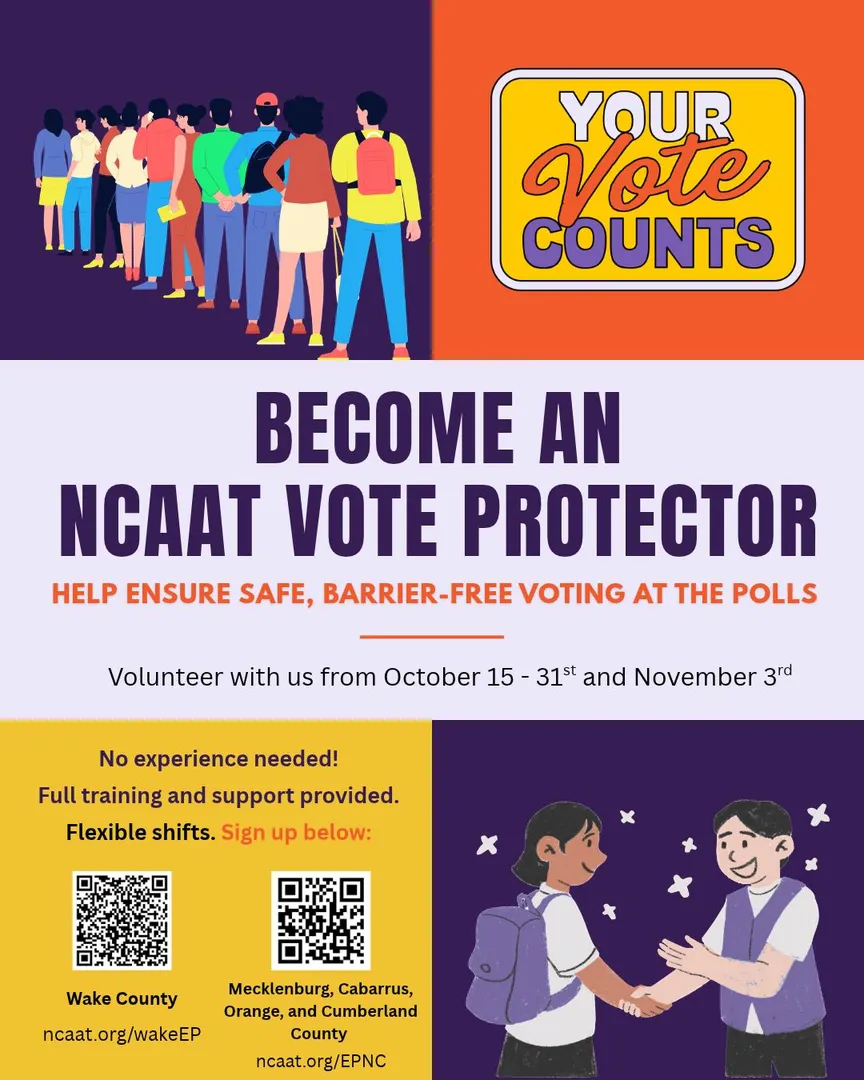
- Leader Training & Election Protection: Equipping community leaders to stand guard and ensure that every voice in our neighborhoods is heard and counted.
Take Action: How You Can Respond
A court decision can narrow the law, but it cannot stop an organized community. To protect our future, we must change how we engage:
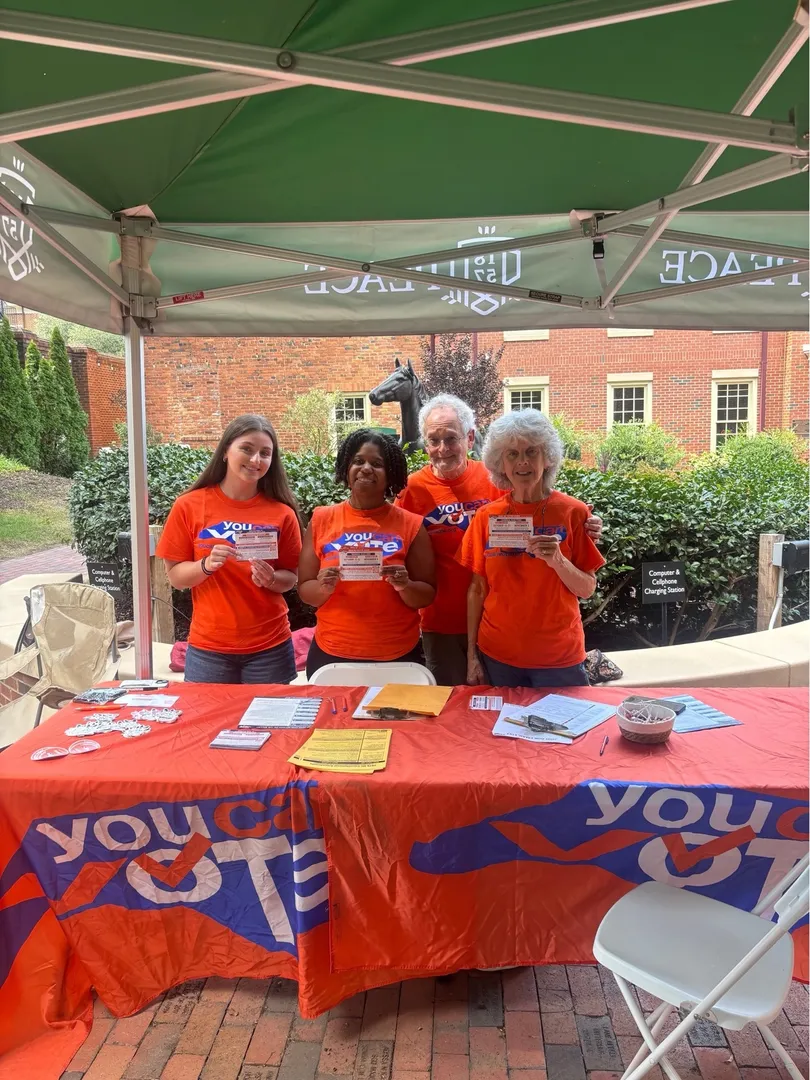
- Vote in Every Election: From the top of the ballot to local judicial races, your vote is now our primary line of defense.
- Get Organized: Move past the “I’m not political” mindset. Our district lines determine our resources, and our participation determines our lines.
- Support the Fight: Join us in advocating for fair maps and supporting the organizations fighting to keep our elections equitable.
The courts may have stepped back, but we are stepping forward.