Ncap Foundation
Two Years After Helene: Adding Value to Western N.C.'s Farm Recovery

Two years ago this week, Hurricane Helene tore through western North Carolina. It stripped topsoil from fields, flattened barns and fences, and washed away crops. Henderson County alone lost about 60,000 apple trees. Agricultural losses across the region have been estimated at as much as $5 billion.
The recovery is real, but it isn’t finished. The way mountain agriculture is rebuilding is also changing. Across the region, farmers, processors and their partners are putting money into value-added products, cold storage, shared processing, and new ways to reach customers. The goal is to keep more of each crop’s value on the farm and in the community.
A recovery still in progress
NC State economists estimate a full agricultural recovery could take five to ten years. Many farmers are still paying for the gap between disaster aid and real costs. Federal reimbursement for cleanup tops out around $1,700 per acre, but clearing steep mountain land can cost $8,000 to $10,000 per acre.
Public support has still been a lifeline. Through state crop loss payments and a $221 million USDA block grant, hundreds of millions of dollars have reached North Carolina farmers. Agriculture Commissioner Steve Troxler told legislators this spring, “Without what you did, we would have already lost a lot of farmers in the state.”
From rebuilding to reinvesting
A crop sold raw at harvest is exposed to every storm and every market swing. A crop that can be stored, processed, and sold later gives a farm more options. Since Helene, that idea has shaped investment across mountain agriculture.
Apples and cider. In February 2026, the state’s NC Agriculture Manufacturing and Processing Initiative (NCAMPI) announced $7.6 million in grants to 10 value-added projects. It gave special priority to communities recovering from Helene. Henderson County’s apple industry led the list, with new cold storage, packing line upgrades and expanded cider processing. Cider also helped growers through a hard 2025 season of frost and hail. “That gives us a market for fruit that may not be of grocery store quality,” said Trey Enloe of Lewis Creek Farm.
Livestock and meat processing. A second NCAMPI round in July included more than $450,000 for Blueridge Processing in Marion. It’s a USDA-inspected plant that helps farmers sell their own branded beef, pork, lamb and smoked products, and it currently has a waiting list. Just across the state line in Tennessee, a farmer-owned processing cooperative that serves western North Carolina producers opened in 2025, despite months of Helene-related construction delays.
Small producers and shared kitchens. Madison County Cooperative Extension saw more people wanting its kitchen space after the storm. With a $304,000 Golden LEAF grant, it is now building a Value-Added Center, where farmers can develop meat, dairy, and produce products in an inspected kitchen. Smaller grants are helping farms across the mountains mill cornmeal and grits, extract honey, process elderberries, and make wine.
New income on the farm. Some farms have rebuilt around visitors and food service. Little Farm in Swannanoa was 10 feet under water during Helene. It now earns income from u-pick flowers, campsites, and craft workshops. Stump Farms in Hendersonville, which lost its hydroponic growing facility, has opened a farm-to-table restaurant, The Local Table, which buys from 13 other local farms.
What the research says about getting it right
This spring, NCDA&CS released a study by RTI International on which processing investments would do North Carolina farmers the most good. Several of its top opportunities match what is already happening in the mountains:
- Apple juice, puree and cider processing in western North Carolina
- Value-added red meat products like jerky and smoked meats
- Rendering, which turns meat byproducts into usable products
The study also carries an important caution. “Expanding value-added processing alone does not guarantee success,” said lead author Amanda Rose. “A farmer-centric approach, one that prioritizes local sourcing, risk sharing and meaningful partnership across supply chains, is essential.” The researchers recommend treating farmers as partners, not interchangeable suppliers, and strengthening farmer-owned cooperatives.
For mountain communities still rebuilding, that is the real test. The question isn’t only whether new facilities get built. It’s whether the farmers who supply them come out ahead.
Why it matters, and how you can help
Agriculture is North Carolina’s number one industry, contributing more than $100 billion to the state economy each year. Mountain farms carry much of the state’s identity: apples, Christmas trees, cattle, and the fall traditions that bring visitors to the region. Helene showed how exposed a farm can be when all its income depends on one harvest. The investments since then point toward a stronger model, with more storage, more processing, and greater sustainability and durability for future high-impact events like Helene.
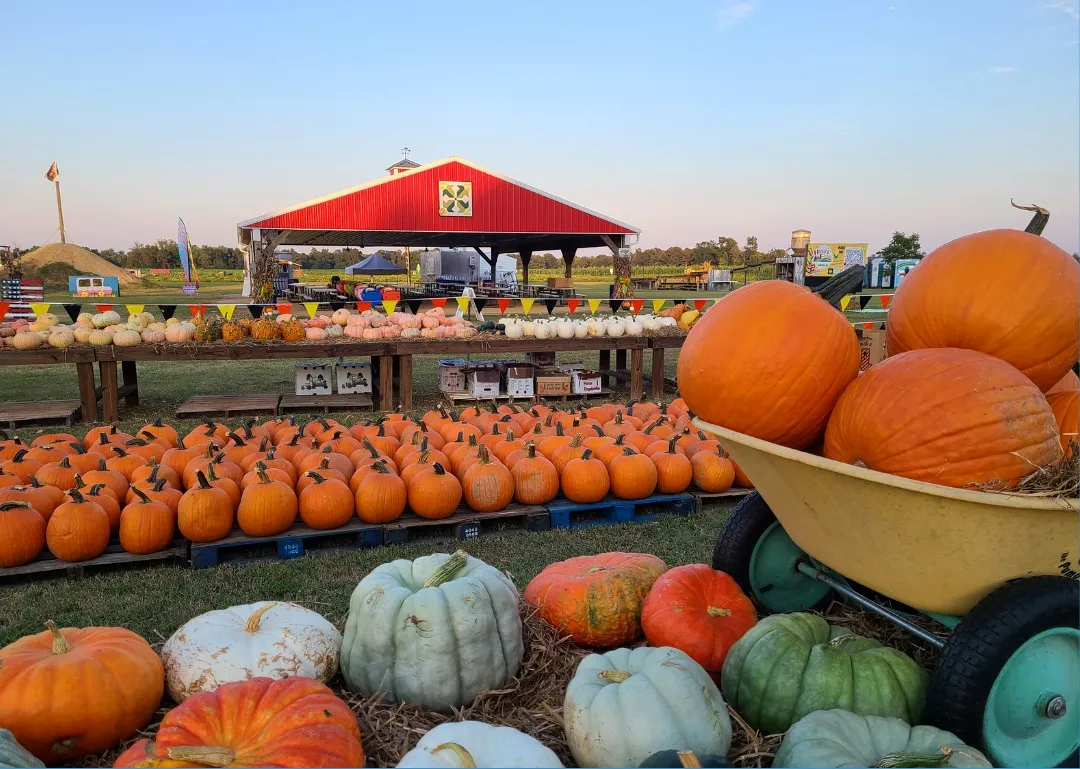
The simplest way to help is to go back to the mountains. Visit the orchards, pick up a jug of cider, stop at the roadside stands, and look for locally made products on store shelves. Recovery funding rebuilds infrastructure, but customers are what bring a farm back.
Sources
• NC State CALS – Western NC Agriculture Rebuilding After Helene
• WLOS – 2 years after Helene: Farmers in WNC still concerned over recovery
• Carolina Journal – Troxler: Disaster aid keeps farmers afloat after Helene
• NCDA&CS – $7.6 million in NCAMPI grants (Feb. 2026)
• NCDA&CS – $3.9 million in NCAMPI grants (July 2026)
• NCDA&CS – RTI study on ag manufacturing and processing opportunities
• Mountain Xpress – WNC apple growers hope for a ‘redemptive year’
• Mountain Xpress – Small farms find fresh income streams post-Helene
• Golden LEAF – Eastern and western food hubs expand opportunities
• DTN – Producer Co-Op Opens Meat Processing Plant
• WNC AgOptions – 2026 Recipients