North Carolina Legal Services
Pet Custody in NC Divorce: How Equitable Distribution Affects Your…
Here's the reality we share with North Carolinians every day: North Carolina law treats pets as property. In court, your dog is in the same legal category as a chair or a car. That may feel wrong, but understanding this reality is the first step to protecting your bond with your pet.
This guide explains how judges actually handle pets in divorce, what evidence matters, and the most effective ways to ensure your furry family member stays safe.
What the Law Says About Pets in Divorce
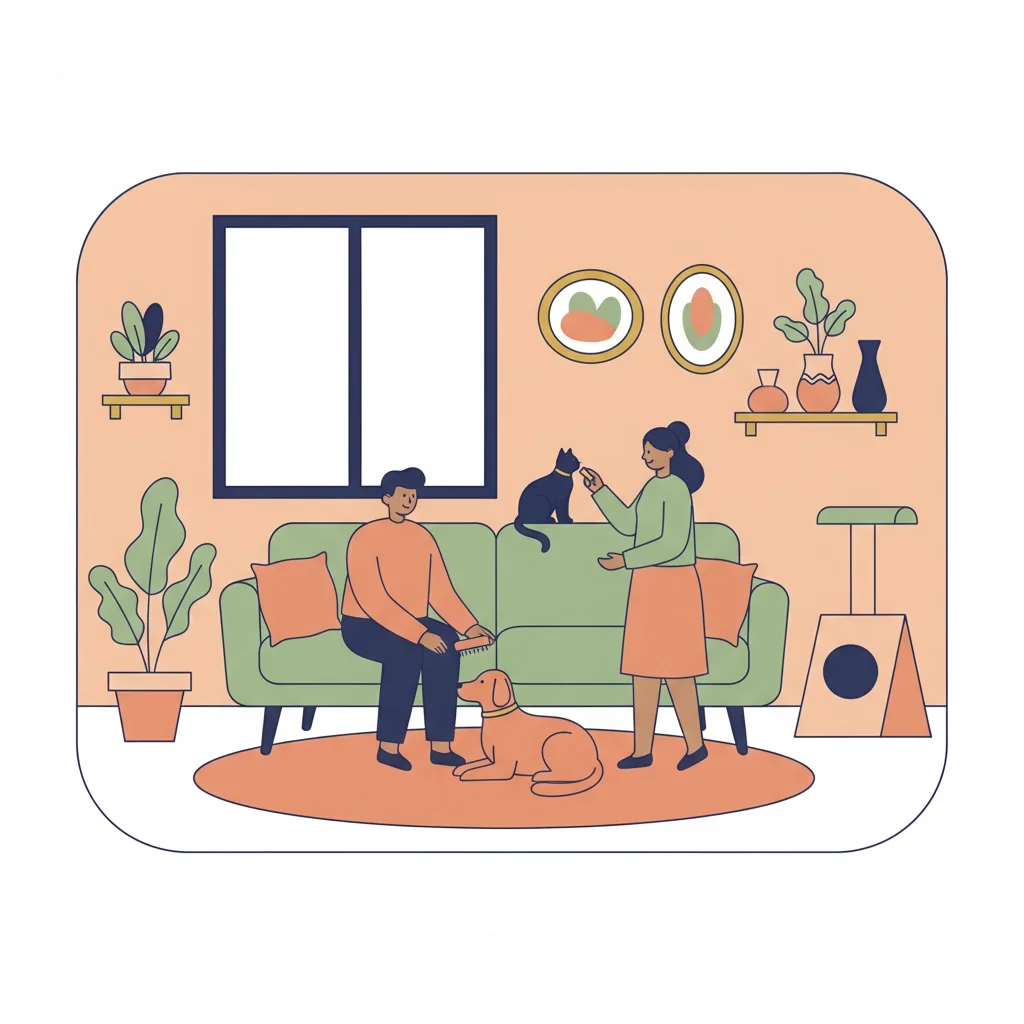
To file for an absolute divorce in North Carolina, you and your spouse must live "separate and apart" for at least one continuous year, with one of you having lived in NC for at least six months.
When it comes time to divide marital property, pets are handled through a process called "equitable distribution." North Carolina law doesn't recognize "pet custody" like it does for children, only who owns a pet and has the right to possess it.
The key distinction: If you owned your pet before marriage, it's likely your separate property. If you acquired the pet during marriage, it becomes marital property subject to division.
At North Carolina Legal Services, we often see couples surprised by this legal framework. While it may feel harsh, understanding how equitable distribution applies to your pet helps you prepare effectively.
What Actually Matters to a Judge
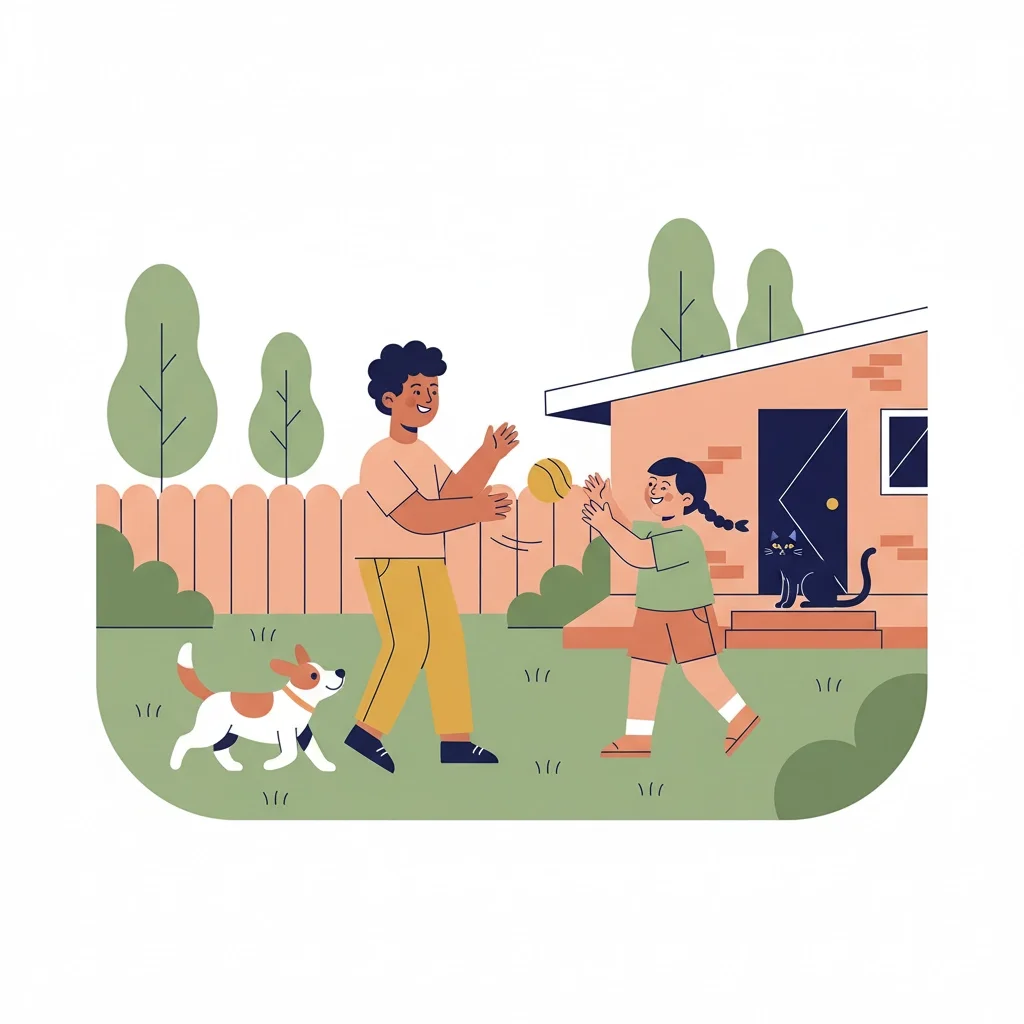
When dividing marital property, judges aim to make a fair split that gives each spouse their share of the jointly accumulated wealth. Here's what surprises most people: most pets have little financial value in court. When determining "value," courts look at resale value, not emotional bonds. The exceptions are working animals, show dogs, or expensive breeds with documented resale value.
Since financial value of a pet is often minimal, judges focus on practical factors:
Primary Caregiving Evidence:
- Veterinary receipts showing who pays for care
- Food and grooming bills in your name
- Text messages or emails demonstrating daily care responsibilities
- Documentation of training classes or pet registration
Financial Investment:
- Bank or credit card statements showing purchase or adoption costs
- Records of ongoing expenses like food, toys, and medical care
- Insurance policies listing you as the owner
- If you had your pet before marriage, it's probably separate property
- Adoption papers or veterinary records from before the marriage are crucial proof
- Registration documents in your name
Family Considerations:
- If your children are bonded with the pet, judges may keep them together
- Courts consider the stability this provides for the children's wellbeing
Documentation is critical. Families across the state tell us they wish they had kept better records of their pet care responsibilities.
Practical Steps to Protect Your Pet
The single most effective way to secure your pet's future is reaching an agreement with your spouse and recording it in a separation agreement.
Why Agreements Work:Because pets are property, judges almost always honor what both parties agree to voluntarily. A comprehensive agreement can address:
- Who keeps the pet permanently
- Any visitation or shared-care schedule
- Who pays for veterinary bills, food, and other ongoing costs
- What happens if the pet needs expensive medical treatment
Once signed and incorporated into your divorce, this agreement carries the force of a court order.
Gathering Your Evidence:Start collecting documentation now:
- Organize veterinary records showing your involvement
- Keep receipts for food, supplies, and care expenses
- Save photos and videos showing you with your pet
- Document your daily care routine with timestamps
When Safety Is a Concern
If you're experiencing domestic violence, you can request that the court include your pet in a Domestic Violence Protective Order (DVPO). Under N.C. Gen. Stat. § 50B-3, judges may grant you possession of the animal and forbid the other party from harming it.
The law recognizes that abusers often threaten or harm pets to control their victims. If you're in this situation, don't hesitate to contact your local domestic violence prevention agency for assistance in planning for your safety. Legal Aid North Carolina may provide you with a free attorney to help obtain a protection order. The safety of both you and your pet matters.

When to Get Help
At North Carolina Legal Services, we recommend seeking legal guidance when:
- You can't reach an agreement about your pet
- Your spouse is threatening to harm or abandon your pet
- You're facing domestic violence that involves your pet
- Your pet has significant financial value
- You need help drafting a separation agreement
We help families, including their furry members, create enforceable agreements that protect what matters most. When informal arrangements aren't enough, we ensure your rights and your pet's safety are protected. Learn more about our family law services and how we can help during your separation or divorce.
Separate Property, Gifts, and Inheritance: When a Pet Is Yours Alone
Under North Carolina’s equitable distribution rules, a pet is your separate property if:
- You owned the pet before the marriage.
- You inherited the pet.
- The pet was clearly given to you as a gift.
Judges look for evidence of intent and ownership. Gift law can apply even if the pet was acquired during the marriage: if there is clear proof that the animal was gifted to you (not to both spouses), a judge may treat it as your separate property.
Practical examples of helpful proof:
- Adoption contract or bill of sale listing only you as the owner.
- Veterinary and microchip registration in your name from the start.
- Written gift evidence: a birthday/holiday card, note on the adoption paperwork, email, or text from your spouse or the giver stating the pet is “yours.”
- Proof of inheritance, such as a letter or email from family or estate documents.
- Purchase or adoption receipts paid from your personal account, paired with messages or documents showing the pet was intended for you alone.
- Keep originals and clear copies (paper and digital).
- Create a simple timeline showing when you acquired the pet compared to your marriage date.
- Keep registrations consistent with your position (for example, avoid adding both names if you intend to claim separate ownership).
How Judges Weigh the Totality of the Circumstances
Because pets are legally treated as property, judges have discretion when spouses disagree. They consider the “totality of the circumstances” to decide who should receive the pet. The goal is to understand the practical reality of who the true caregiver is.
Common factors judges consider:
- Daily care: who feeds, walks, cleans litter, and handles training.
- Veterinary care: who schedules, pays for, and attends appointments; who gives medication.
- Expenses: who regularly pays for food, supplies, insurance, grooming, and medical bills.
- Planning and logistics: who arranges sitters or boarding and manages travel or routine disruptions.
- Children’s bond: whether the pet is closely bonded with your children and who ensures that connection and stability.
How to tip the scales with evidence:
- Keep a simple care log with dates and short notes (walks, feedings, meds, training).