You Can Vote
North Carolina Voting History Timeline
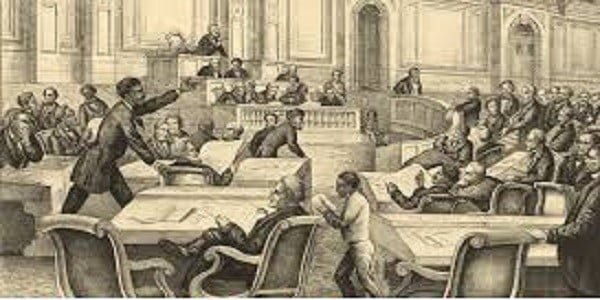
Exploring North Carolina’s voting rights history reveals a story of discrimination, obstacles, and progress. From battles for civil rights to key elections, each part of this history shows why it’s crucial to vote.
Learning from this past helps us see how far we’ve come and reminds us to keep moving forward! Want to get involved in NC’s voting future? Click the button to learn about volunteering with YCV.
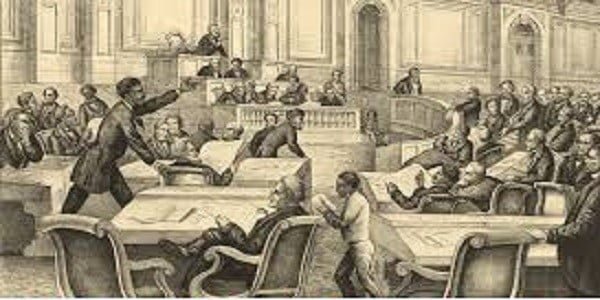
1868: Black men get the right to vote in NC
North Carolina ratifies a new state constitution during the Reconstruction era, guaranteeing Black men the right to vote.
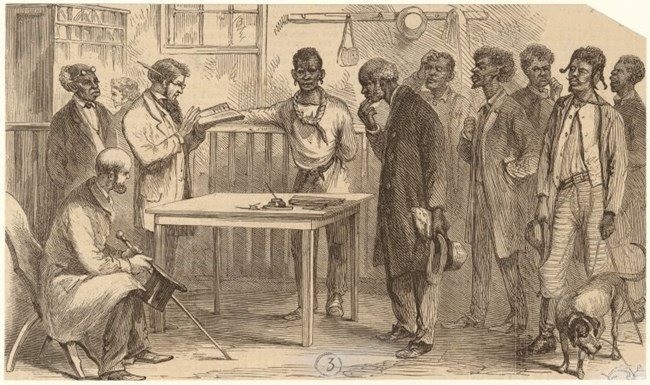
1870: Black men get the right to vote nationwide
The 15th Amendment to the U.S. Constitution is ratified, prohibiting states from denying citizens the right to vote based on race, color, or previous condition of servitude. Despite this, North Carolina and other southern states implement discriminatory laws and practices to disenfranchise Black citizens.
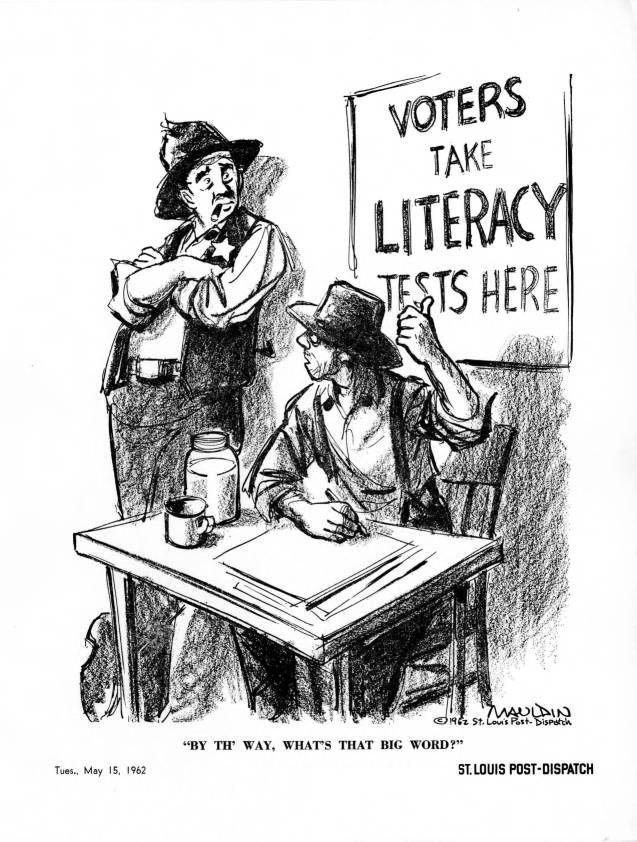
1898: Literacy tests, poll taxes, and grandfather clauses are created
The North Carolina Constitutional Convention imposes literacy tests, poll taxes and grandfather clauses, effectively disenfranchising Black voters and solidifying white supremacy in the state. While they can no longer be enforced, many of these discriminatory laws are still on the books in North Carolina.
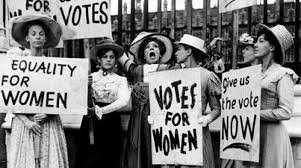
1920: The 19th Amendment gives women the right to vote
The 19th Amendment to the U.S. Constitution is ratified, granting women the right to vote. However, discriminatory practices such as literacy tests and poll taxes continue to hinder voter participation among marginalized communities in North Carolina.
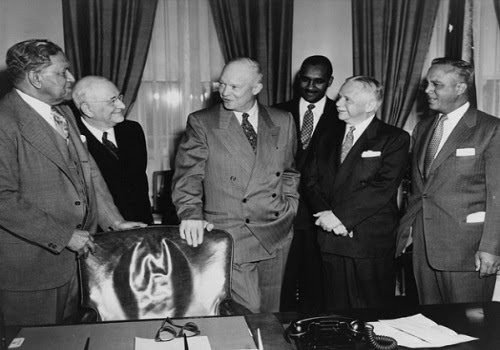
1957: The Civil Rights Act is signed into law
The Civil Rights Act is passed, establishing the U.S. Commission on Civil Rights to investigate discriminatory voting practices, including those in North Carolina.
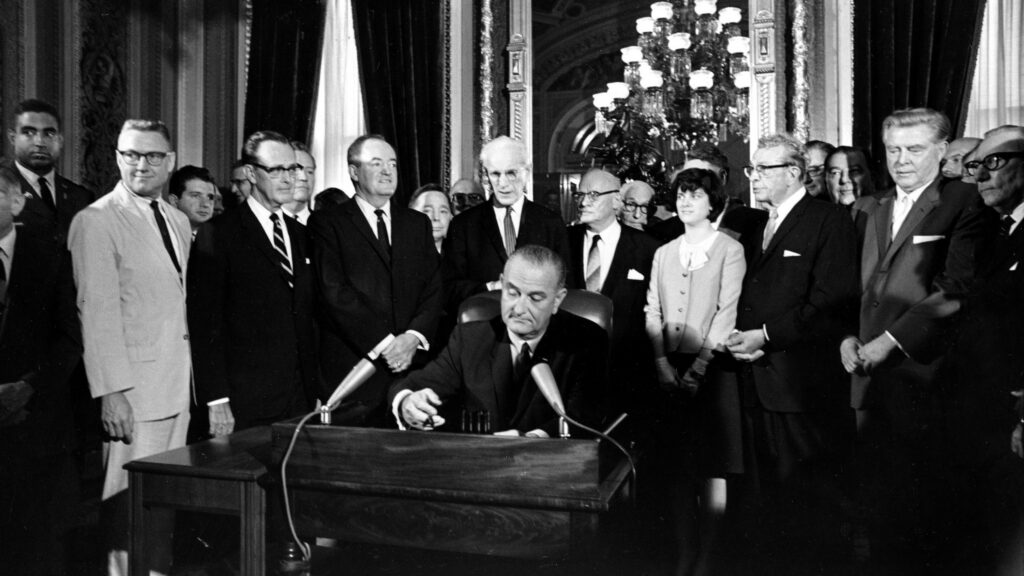
1965: The Voting Rights Act is signed into law
The Voting Rights Act is signed into law, prohibiting discriminatory voting practices such as literacy tests, and providing federal oversight of election procedures in states with a history of voter suppression, including North Carolina. While the Voting Rights Act outlawed literacy tests, North Carolina’s state constitution still includes this requirement for voting.
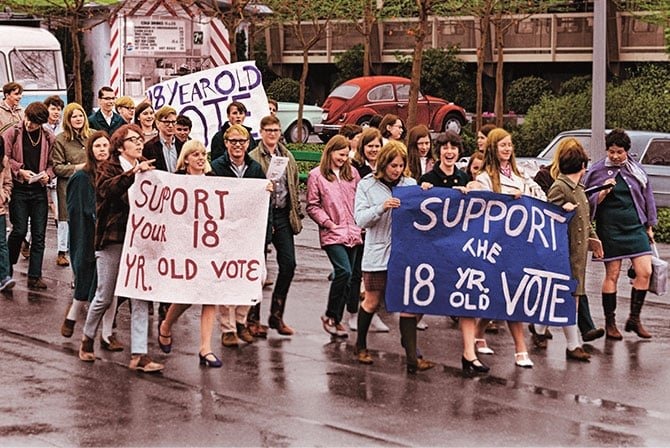
1971: Voting age lowered to 18
The 26th Amendment to the U.S. Constitution is ratified, lowering the voting age from 21 to 18 and expanding access to the ballot for young voters nationwide.
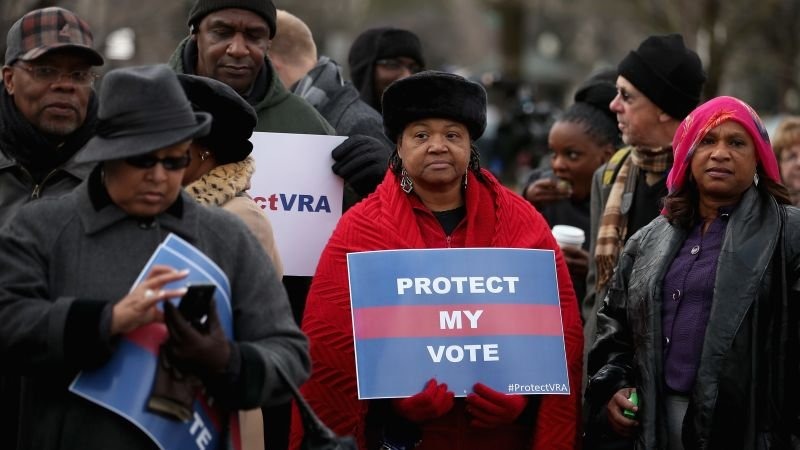
2013: Shelby v. Holder weakens Voting Rights Act
The Supreme Court’s decision in Shelby County v. Holder effectively weakens key provisions of the Voting Rights Act, removing preclearance requirements for states and localities that had a history of discriminatory voting laws. This decision led to a resurgence of voter suppression efforts in North Carolina and other states, as federal approval was no longer required to change voting laws.
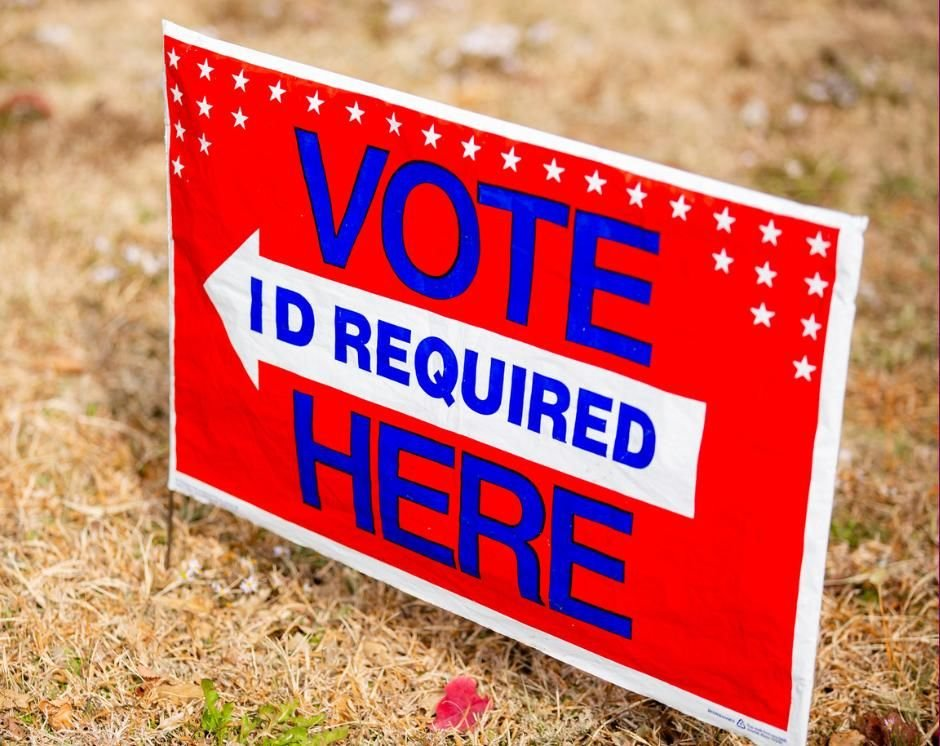
2018: NC voter photo ID amendment
North Carolina voters approved an amendment to the state constitution requiring that voters present a photo ID to vote in person. The state legislature then passed Senate Bill 824, which provided a narrow list of qualifying photo IDs acceptable for voting. Court injunctions prevented this law from taking effect for the 2020 election due to pending legal challenges.
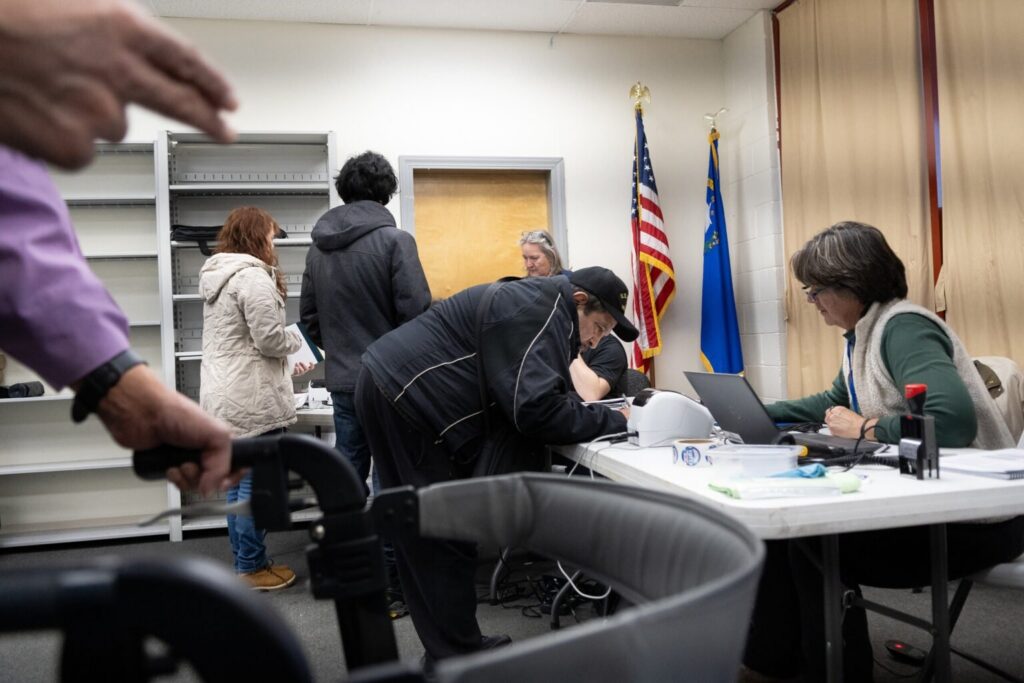
2021: Photo IDs no longer required to vote
The NC Court of Appeals ruling in Holmes v. Moore struck down the 2018 photo ID law, finding that it was passed with the intent to discriminate against Black voters, violating the state constitution’s “equal protection” clause. The decision was upheld by the NC Supreme Court in 2022.
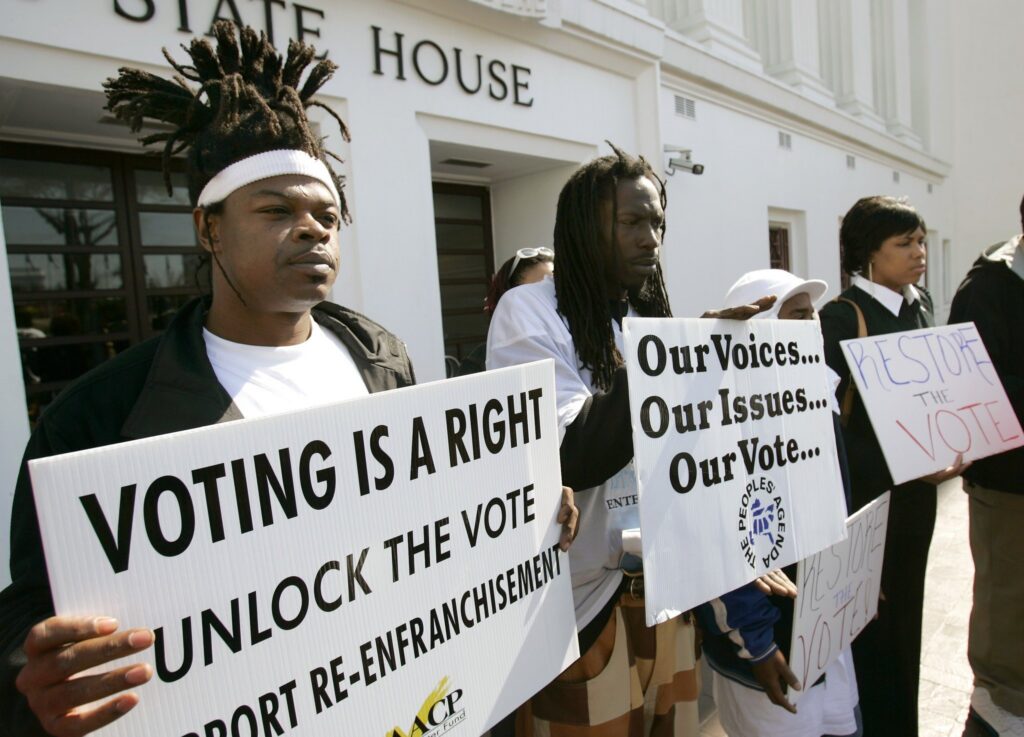
2022: Right to vote restored for 55,000+ NC residents with felony convictions
The NC Court of Appeals ruled that the state’s felony disenfranchisement law violates two clauses of the state constitution. The ruling unlocks the votes of 55,000+ North Carolinians with felony convictions who are no longer incarcerated but still serving probation or parole, or are under post-release supervision.
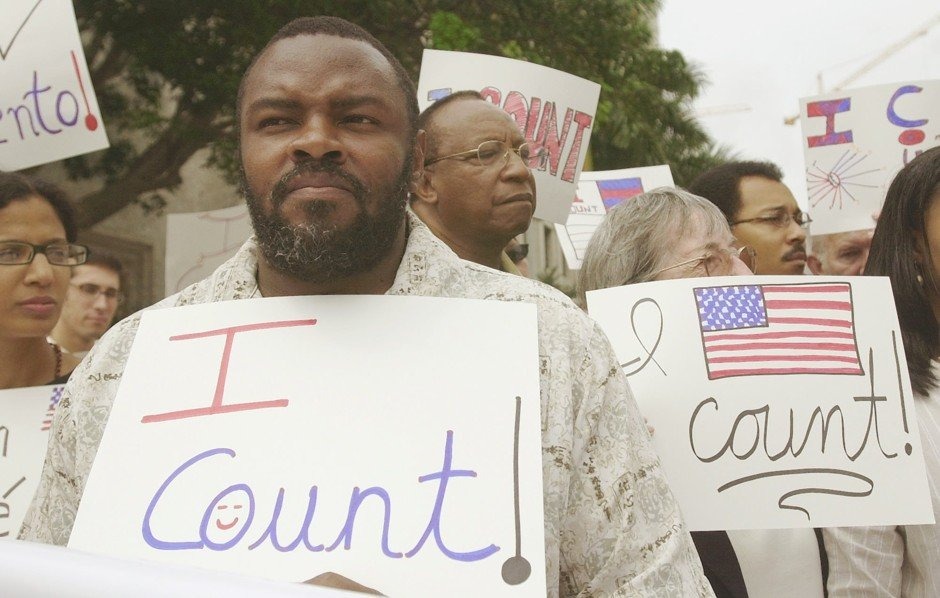
2023: NC Supreme Court overturns 2022 felony voting rights decision
The NC Supreme Court reversed the 2022 decision by the NC Court of Appeals on voting rights for individuals with felony convictions, stripping these rights away from 55,000+ formerly incarcerated individuals in a single day.
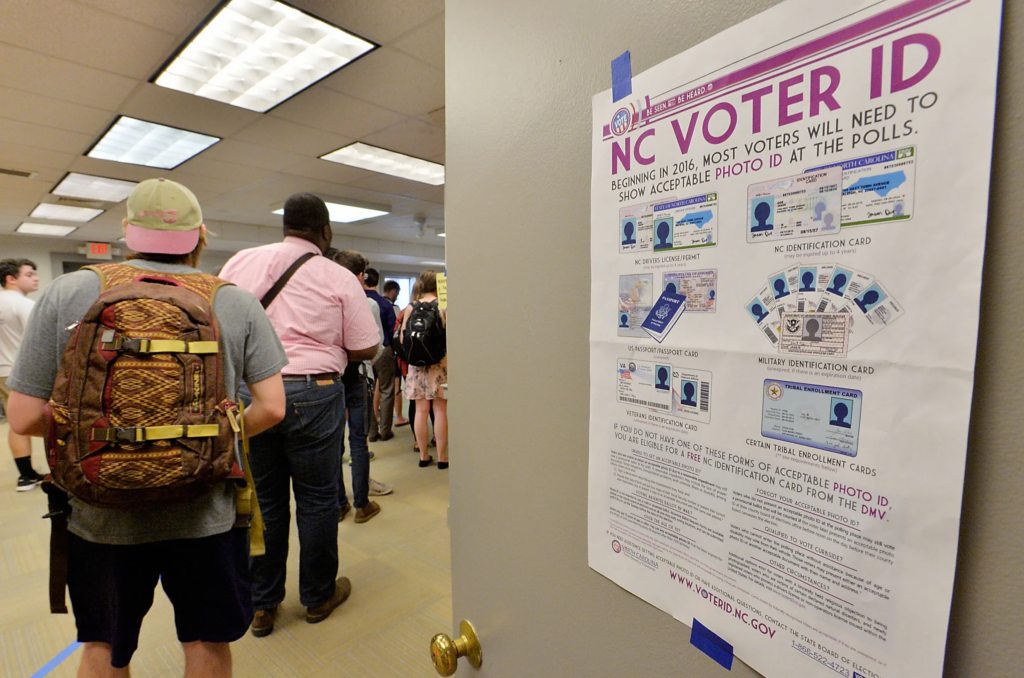
2023: Photo ID decision reversed, IDs now required to vote
In an unprecedented move, the NC Supreme Court reversed its prior decision in Holmes v. Moore. Despite having previously ruled that NC’s voter photo ID law was passed with the intent to discriminate against Black voters, violating the state constitution’s “equal protection” clause, the court reversed its decision and reinstated the discriminatory requirement. NC voters are required to show photo ID to vote beginning in the fall 2023 municipal elections.
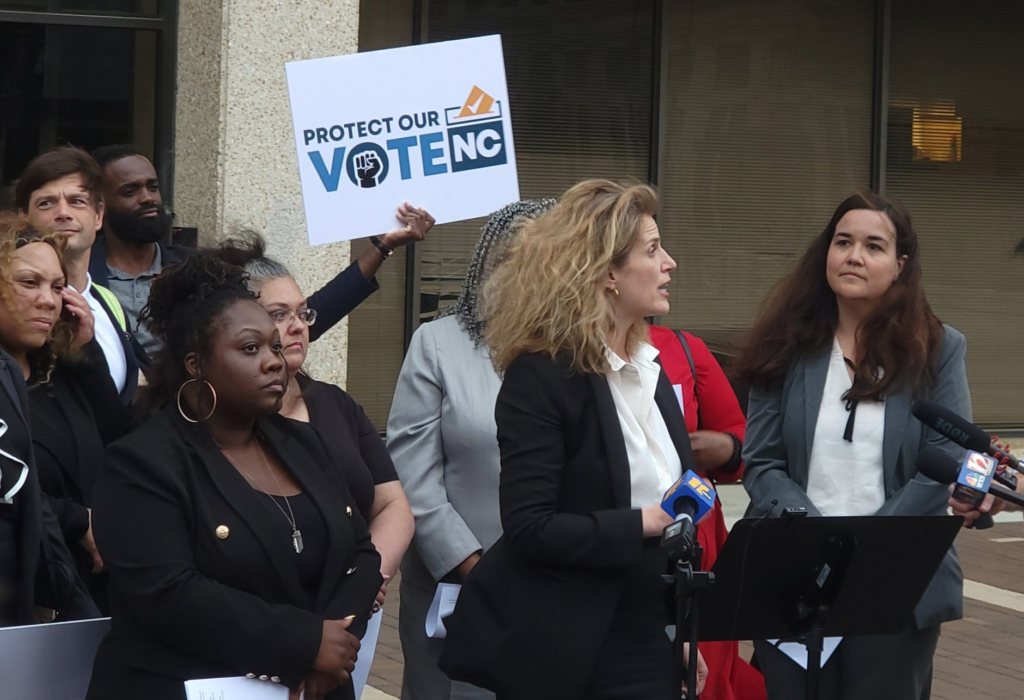
2024-2026: Federal court considers NC voter photo ID law
The NC chapter of the NAACP and other civil rights group challenge NC’s voter photo ID law in federal court, asserting that the law unlawfully harms Black and Latine voters. The trial occurred in May 2024.
In March 2026, the court ruled against the plaintiffs. The judge acknowledged the law’s discriminatory impact on North Carolinians of color but ruled that the plaintiffs failed to prove that lawmakers acted with discriminatory intent — a high bar raised by recent federal court rulings across the country.
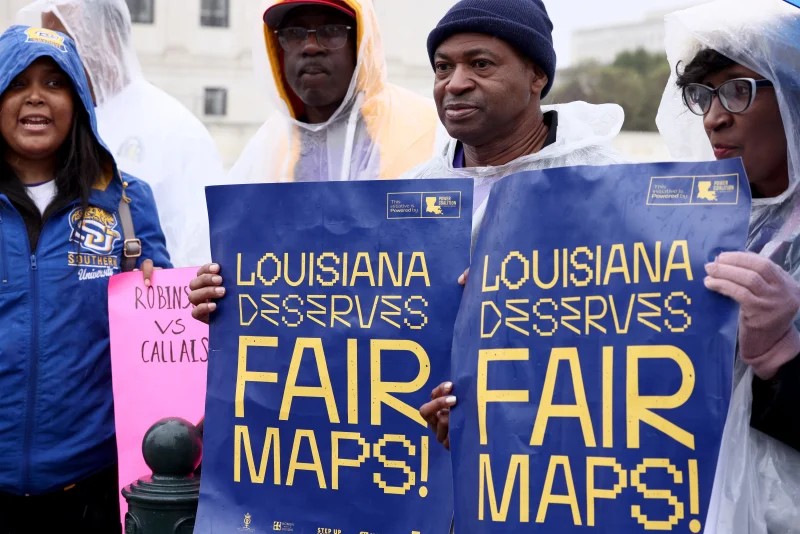
2026: SCOTUS weakens VRA in Louisiana v. Callais
In April 2026, the U.S. Supreme Court ruled in Louisana v. Callais that states can draw racially discriminatory electoral maps as long as no “intentional discrimination occurred.” The ruling effectively neutralized Section 2 of the Voting Rights Act, which prohibits discriminatory voting practices. States throughout the country, including North Carolina, immediately implement racially discriminatory electoral maps.
This timeline is current as of the date of publication. Join our mailing list to receive updates on future changes to NC’s voting laws.