Carolina Wetlands Association
Federal Rule Would Strip Protections from Many Wetlands and Streams
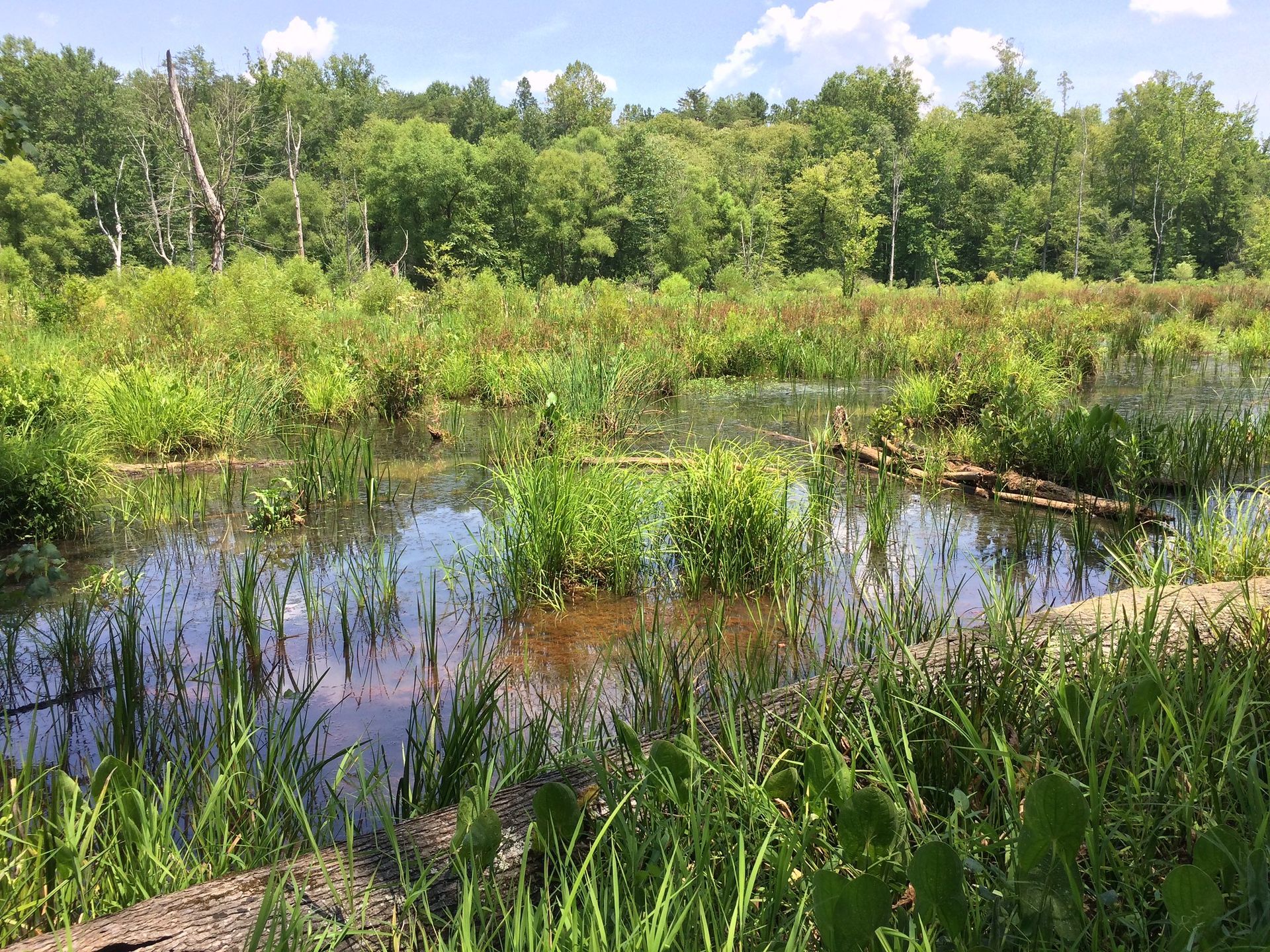
On September 9, 2026, the U.S. Environmental Protection Agency (EPA) and the U.S. Army Corps of Engineers issued a supplemental notice of proposed rulemaking (SNPRM) offering additional ways to define “waters of the United States” (WOTUS).
Why this definition matters
The WOTUS definition determines which water bodies the federal government can protect under the Clean Water Act. In November 2025, the agencies proposed revisions to bring the definition in line with the Supreme Court’s 2023 decision in Sackett v. EPA. After taking public comments, they have now put forward further options. The new proposal narrows federal jurisdiction even more, potentially stripping protections from the vast majority of U.S. wetlands and seasonal streams.
What our comment letter says
The Carolina Wetlands Association is submitting comments opposing the proposal. Our main concerns:
It would undermine the Clean Water Act’s purpose. The law’s goal is to restore and maintain the chemical, physical, and biological integrity of the nation’s waters. This proposal would severely undercut that goal.
- The “days of water” test is a poor measure. The proposal decides jurisdiction by how many days a year water is present. That number correlates poorly with a waterway’s ability to carry pollution downstream to the rivers, lakes, and estuaries that would stay protected. Streams dry for as few as 30 days a year could lose protection, and polluters would have an incentive to discharge into them rather than into protected waters.
- Drinking water is at risk. About 56% of North Carolina’s stream miles feeding public drinking water systems are intermittent, ephemeral, or headwater streams. In South Carolina the figure is 51%. These systems serve 6.6 million people, who would bear higher health risks and treatment costs.
- Wetlands do critical work. They filter pollutants and nutrients that cause algal blooms, dead zones, and fish kills. Losing that function would also degrade groundwater, which many people drink untreated.
- The legal reasoning is flawed. We argue the agencies misread the Supreme Court’s language. “Relatively permanent” describes geographic features such as streams with defined beds and banks. The word “continuously” modifies “flowing” and doesn’t limit what counts as relatively permanent.
- It would be hard to implement. Many affected streams have no data showing how many days they lack surface water. That makes the rule difficult for agencies to administer and leaves landowners unable to tell whether the Clean Water Act applies to their property.
- The impacts haven’t been analyzed. The agencies should not finalize a rule before measuring the added pollution flowing from newly unprotected waters into those that supply drinking water, or projecting the resulting damage to downstream uses.
What you can do
- Submit your comment by October 9, 2026, under Docket ID No. EPA–HQ–OW-2025-0322. Personal stories about the streams, wetlands, and drinking water you depend on are especially effective.
- Learn more: read the comments we submitted on the November 2025 version of the rule, many of which still apply.
You might also like
Celebrating Our Carolina Wetlands
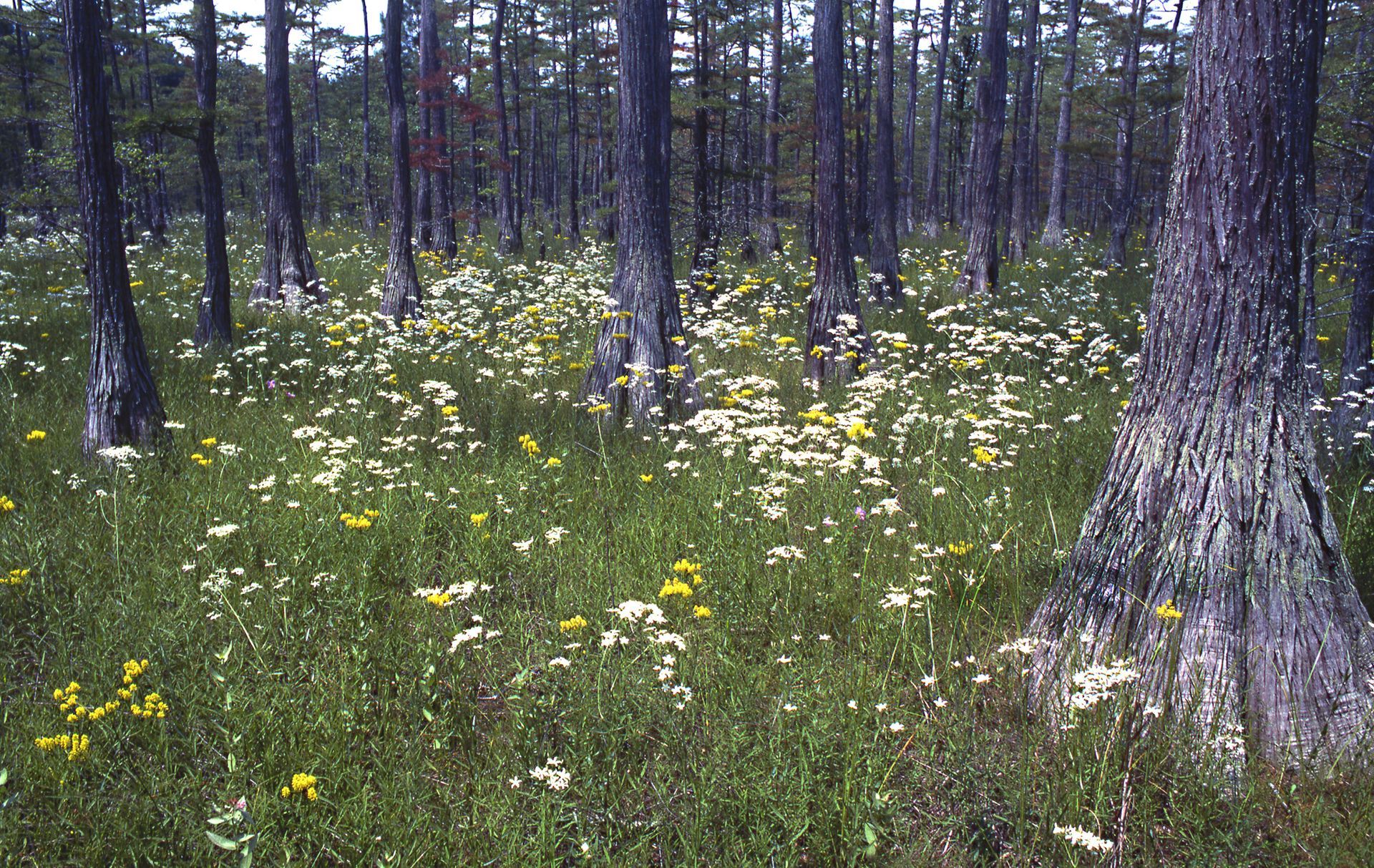
Celebrating 10-years of Wetland Treasures Program

Meet our new Board Members
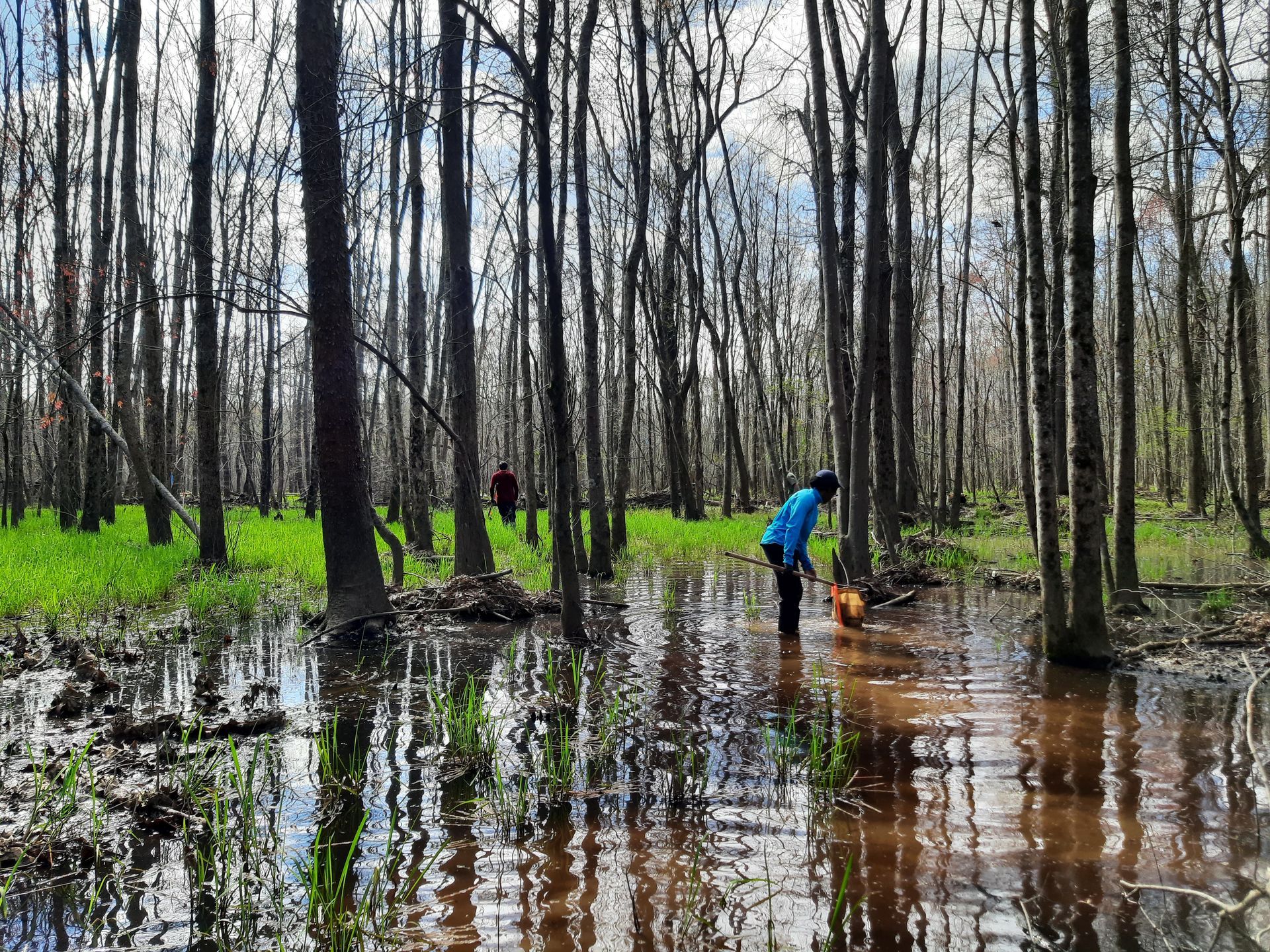
Wetlands: Nature’s Hidden Defense Against Drought
Navigation
info@carolinawetlands.org
Mailing Address
Carolina Wetlands AssociationPO Box 3359Raleigh, NC 27636
State of the Wetlands
Carolina Wetlands Association PO Box 3359Raleigh, NC 27636
Carolina Wetlands Association PO Box 33592Raleigh, NC 27636
All Rights Reserved | Carolina Wetlands Association