A Lotta Love
Best Furniture for Shelter Rooms: 8 Safe, Durable Picks
Choosing the best furniture for shelter rooms gets hard fast when every bed has to survive constant use without making someone feel like they’ve been parked in storage. Cheap capacity-first picks usually show their weakness by week 2.
The options worth keeping are safe, easy to clean, sturdy, and kinder to live with. Privacy matters. So does a mattress that won’t become a staff problem.
We cut this down to eight picks shelter teams can actually use.
1. Norix Furniture
- Designed for shelters and housing
- Safer tamper-resistant construction
- Easy-clean, low-crevice surfaces
- Coordinated beds, storage, seating
- More dignified than institutional basics
- Less useful for rapid overflow
- Likely higher upfront investment
- Best for larger furnishing plans
If you’re furnishing more than one room, or trying to fix the feel of a whole shelter wing instead of solving one sleeping gap, Norix is one of the strongest places to start. It reads like furniture made by people who understand what 24/7 use actually does to a room.
Norix makes purpose-built pieces for emergency shelter and transitional housing settings, and that matters. A residential dresser might look fine on delivery day. Six months later, the drawer slides are off, the corners are chipped, and staff are working around it instead of with it.
Here, the shelter fit is more deliberate:
- tamper-resistant and ligature-resistant construction
- surfaces and forms that are easier to sanitize
- fewer hidden crevices where pests or contraband collect
- product lines that work together across bedrooms and common spaces
That last point is easy to underestimate. When you can source bunk beds, mattresses, nightstands, wardrobe lockers, and lounge seating from the same system, rooms feel intentional instead of pieced together under pressure.
The shelter-relevant families are practical. Protégé NextGen bunk beds help with family shelter beds and seating without looking like camp furniture. Comfort Shield mattresses push the hygiene side. Titan storage pieces handle the daily reality that people arrive with belongings, medications, paperwork, and very little room to keep any of it organized.
Good shelter furniture shouldn’t ask staff to babysit it.
Compared with the other picks here, Norix is less of a stopgap and more of a room strategy. It’s broader than a single cot or mattress, and much more shelter-specific than a residential bunk frame. We wouldn’t treat it as a fast overflow answer. We would treat it as the option for programs that are serious about replacing institutional fatigue with something safer and more dignified.
2. NapBox Sleep Pods
- Adds real privacy in dorms
- Supports calmer, better sleep
- Wipeable antimicrobial surfaces
- Fast setup without renovation
- Bug-resistant waterproof mattress system
- Needs careful room layout
- Less ideal for family rooms
- May exceed basic bed-count needs
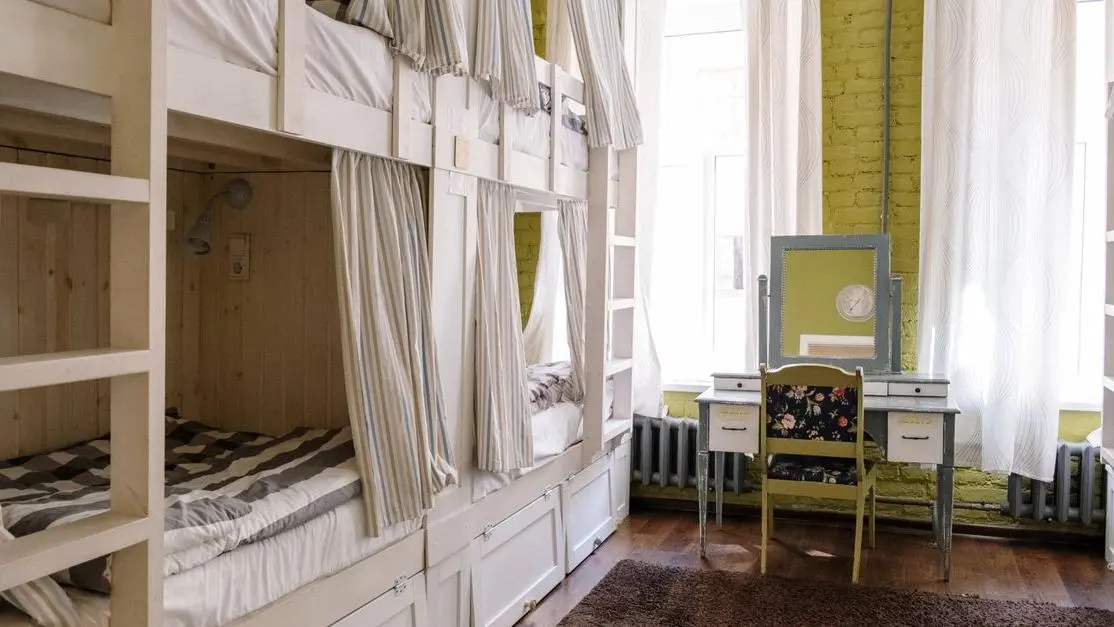
Open sleeping rooms wear people down fast. Noise carries, light spills, and every movement becomes shared business. NapBox Sleep Pods are one of the few products in this roundup that deal with that reality head-on.
These pods are built around privacy in congregate shelter settings. That’s the big differentiator. They create personal boundary where walls aren’t possible, and for many residents, that boundary changes the whole temperature of the room.
A few shelter-specific details make them more than a clever concept:
- wipeable, antimicrobial surfaces for fast cleaning
- mattress system described as fireproof, waterproof, and bug-resistant
- quick assembly with minimal tools
- no construction or permit-heavy process
That combination matters in real operations. If your team is trying to improve sleep quality and reduce conflict in a dorm-style room, pods do more than add beds. They shape behavior. Residents aren’t as exposed. Staff aren’t asking people to self-regulate in a space that keeps them on alert.
There’s a tradeoff, though. Pods change room flow. You need to think about supervision lines, circulation, and how belongings move around the room. This is not a “drop them in and figure it out later” item.
Compared with cots or open bunks, NapBox gives more privacy and more psychological buffering. Compared with a full renovation, it’s much faster to deploy. For women’s sleeping rooms especially, that extra sense of boundary can support emotional regulation in a way standard dorm furniture simply doesn’t.
3. Cot, 78 inch, Capacity 500#, No End Bars
- No end bars improve comfort
- Deploys quickly for surge use
- 500-pound capacity adds flexibility
- Durable steel and reinforced fabric
- Pouch keeps essentials close
- Not ideal for long stays
- Offers little privacy or warmth
- More functional than home-like
Some furniture earns its keep by being fast, tough, and unglamorous. This cot falls into that category, and that’s not a criticism. Every shelter with surge risk needs at least a few pieces like this.
The no end-bar design is the reason it belongs on the list. Anyone who’s used traditional cots knows the issue. End bars catch legs, crowd sleeping position, and make an already temporary setup feel worse by the second night. Removing that friction is a small operational win, but it’s a real one.
The build is straightforward and solid:
- powder-coated steel frame
- 600 denier polyester fabric with reinforced stitching
- foot-pedal tension system
- carry bag and a zipper pouch for personal items
That pouch is a humble detail, but we like it. In overflow or disaster response setups, even one designated place for glasses, a phone, paperwork, or medication reduces stress. People notice when there is nowhere to put their things.
This cot is better than a rollaway bed when the priority is fast deployment, storage, and hard use. It’s less warm, less private, and less room-defining than pods or bunk systems. That’s fine. Not every need is a design need. Sometimes you need twenty sleeping spots by tonight.
Use it for seasonal overflow, weather response, intake surges, or short-stay setups in multiuse rooms. Just don’t mistake it for a long-term answer. A cot can solve a bed count problem without solving a shelter room problem.
4. Precise Kit Special Needs/Accessible Cot
- Transfer-friendly accessible design
- Adjustable head and foot support
- Side rails improve user safety
- Impervious mattress sanitizes quickly
- Folds flat with no assembly
- Takes more floor space
- Not ideal for maximum density
- Too specialized for every room
Accessibility is often handled late, almost as an afterthought. That’s a mistake. By the time a resident needs a transfer-friendly sleep option, it’s already too late to wish you had planned better.
This cot exists for that gap. It is built around FEMA and ADA-oriented needs, with dimensions intended to support wheelchair transfer and features that make it more stable and usable than a standard emergency cot.
The details are specific, and they matter:
- stable anti-tip legs
- removable side rails
- adjustable head or foot elevation
- sanitizable removable mattress with an impervious cover
- folds for storage with no assembly required
A standard cot says, “we have a place for you to sleep.” An accessible cot says, “we thought about whether you can actually use it safely.” Those are not the same message.