


 Foundation for Economic Education


135 likes
Washington just handed taxpayers and their children a $40 trillion bill.
Comment “Debt” and we’ll send you an article that dives deeper into the problem. On August 18, 2026, gross federal debt reached $40.047 trillion. Using the Census Bureau’s mid-August population estimate of about 342.8 million residents, that equals roughly $116,800 per person. James M. Buchanan warned that debt-financed consumption can reduce the resources available to build future productive capacity. As federal borrowing absorbs saving, interest rates can face upward pressure, private investment becomes more expensive, and capital accumulation may slow. The budgetary consequences compound over time. The Congressional Budget Office, Congress’s nonpartisan budget agency, projects net interest outlays of about $1 trillion in 2026 and $2.1 trillion by 2036, leaving fewer resources for other priorities and making refinancing costs increasingly important. Borrowing can also obscure the price of current government spending. Benefits arrive today while part of the tax burden is pushed forward, weakening political discipline and transferring obligations to future taxpayers. Production is more than the mechanical combination of labor, land, and capital.Nov 267 likes
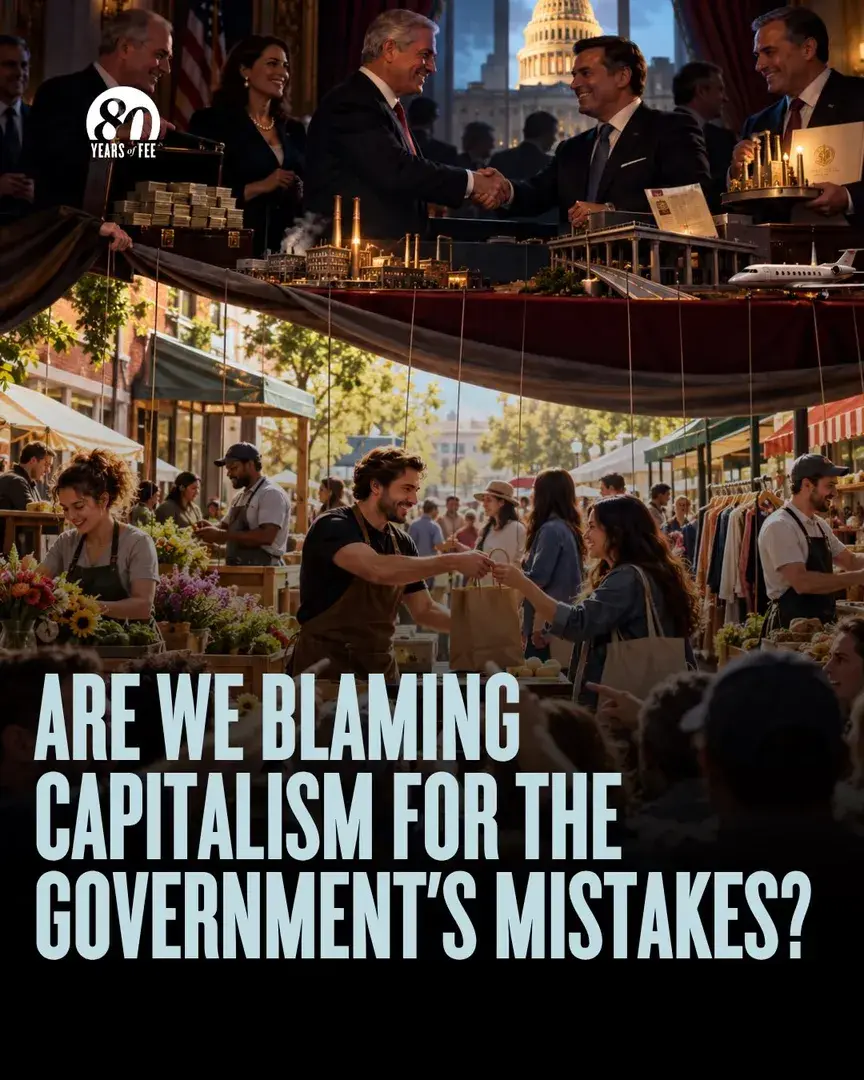 Capitalism should not be blamed for privileges created by government.Oct 231.1K likes
 Wall Street makes an easy villain in the housing crisis.Oct 2299 likes
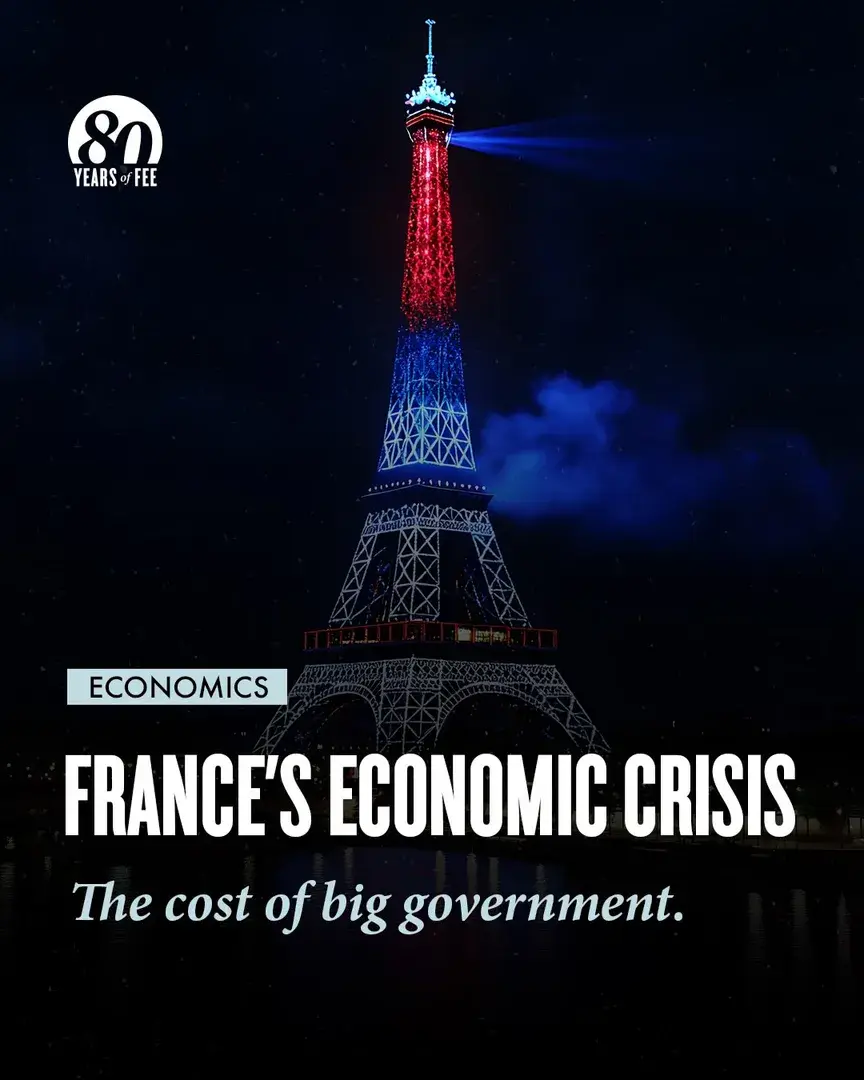 France’s economic troubles run deeper than the rising cost of living.Oct 21950 likes
 During World War II, the US government imposed wage controls to contain inflation.Oct 2091 likes
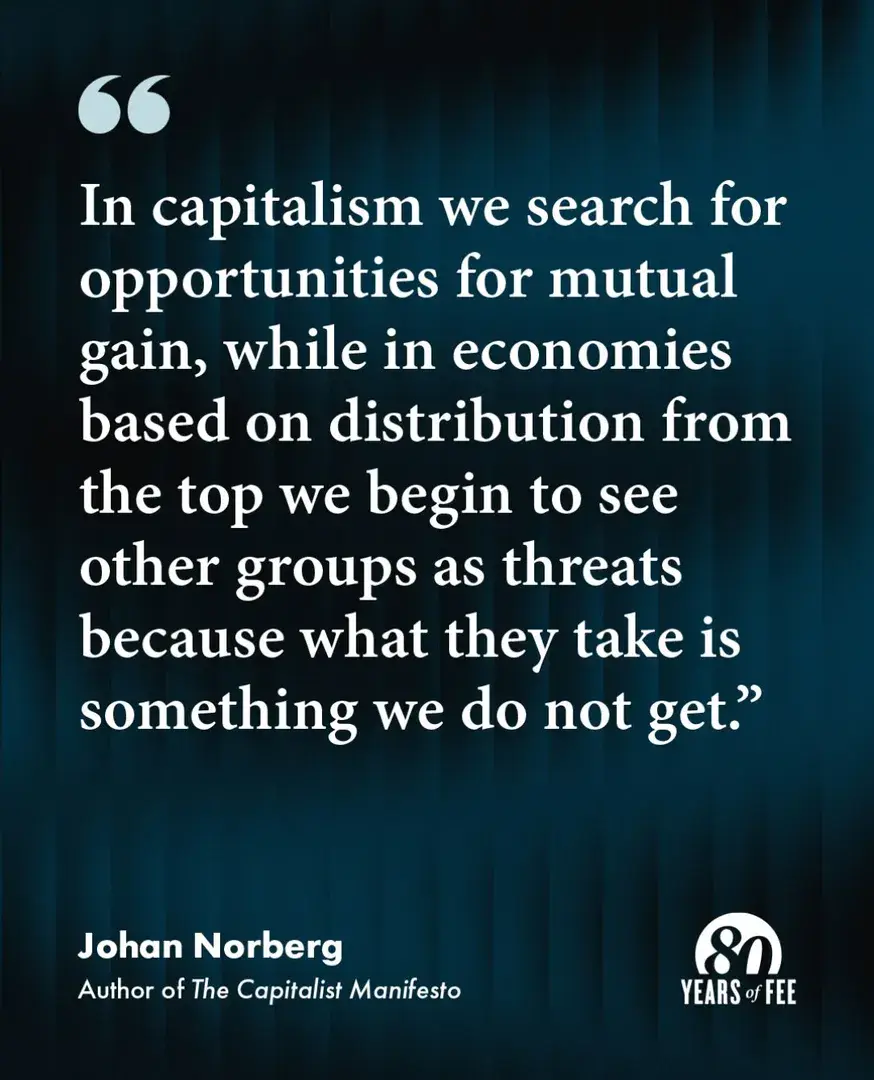 Free-market capitalism motivates you to serve others on their own terms…Oct 19353 likes
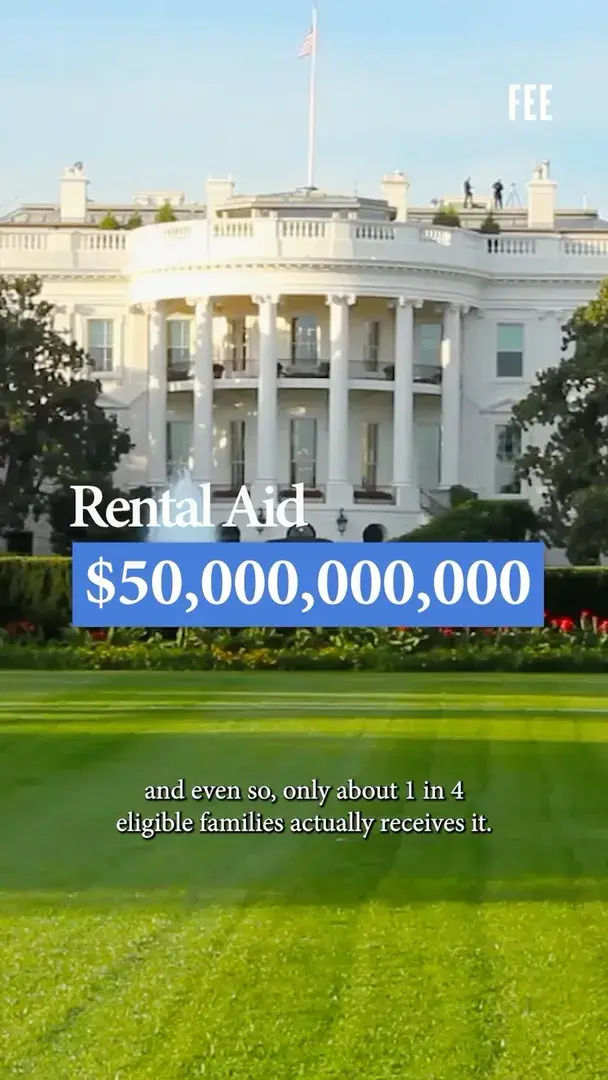 Housing subsidies become far more expensive when government refuses to let housing supply…Oct 1530 likes
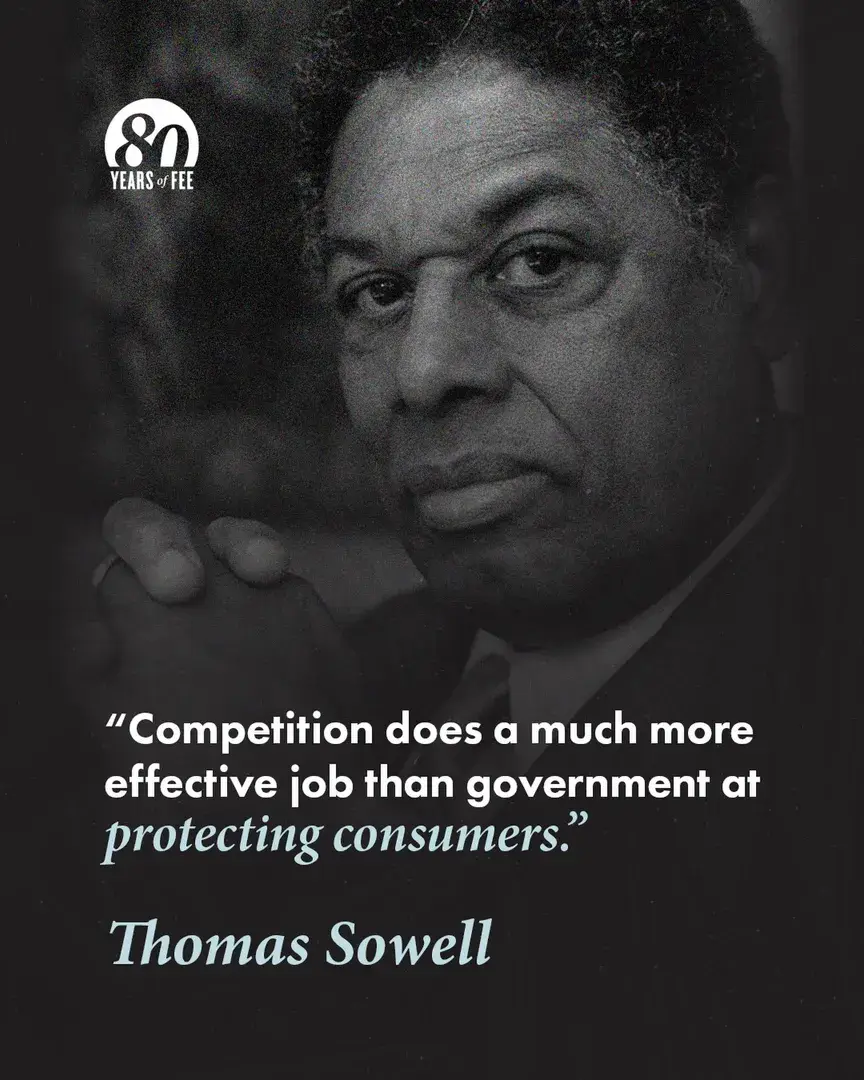 Thomas Sowell understood that consumers are often protected most effectively when…Oct 12744 likes
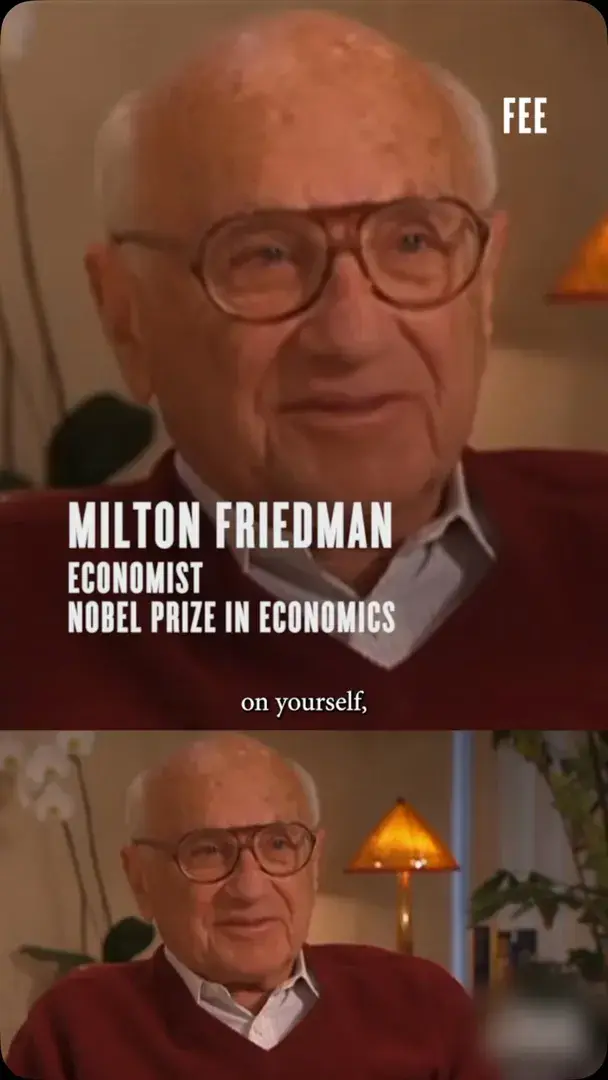 Milton Friedman understood that the way we spend money changes our incentives.Oct 8991 likes
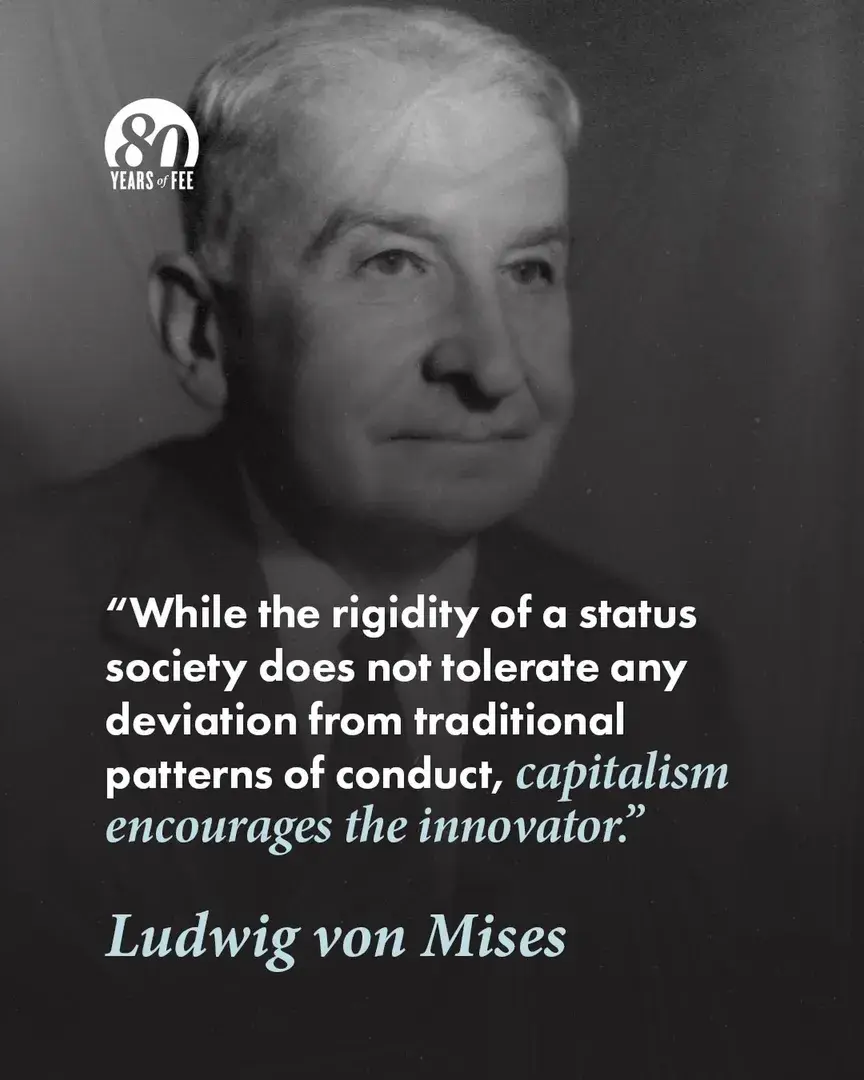 Innovation is inherently rebellious.Sep 28278 likes
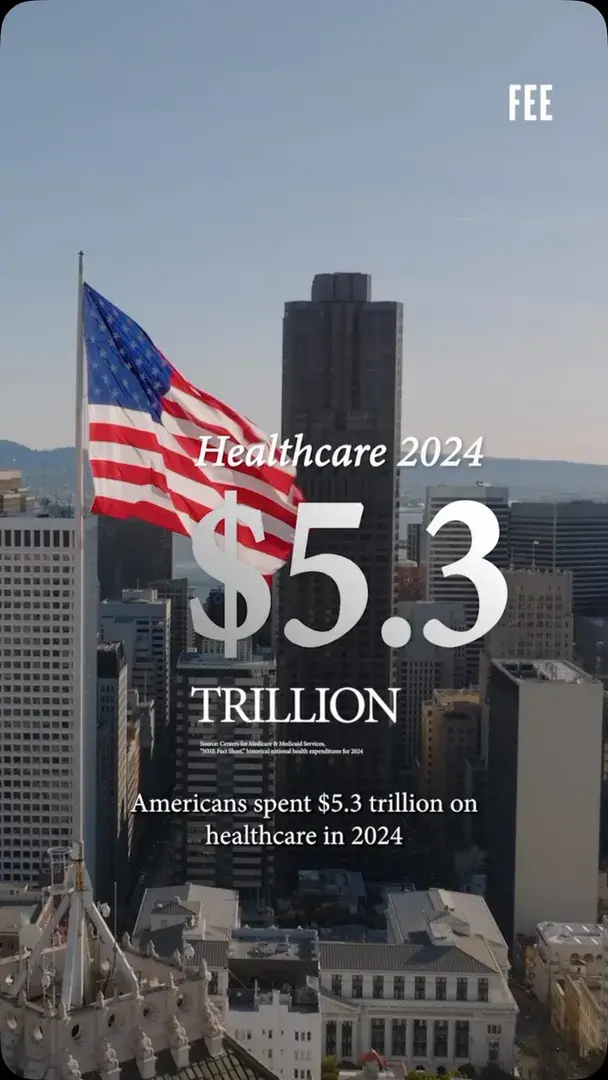 America’s healthcare system is often blamed on “the free market,” but much of it is…Sep 26135 likes
 Can government-owned grocery stores really make food dramatically cheaper?Sep 22527 likes
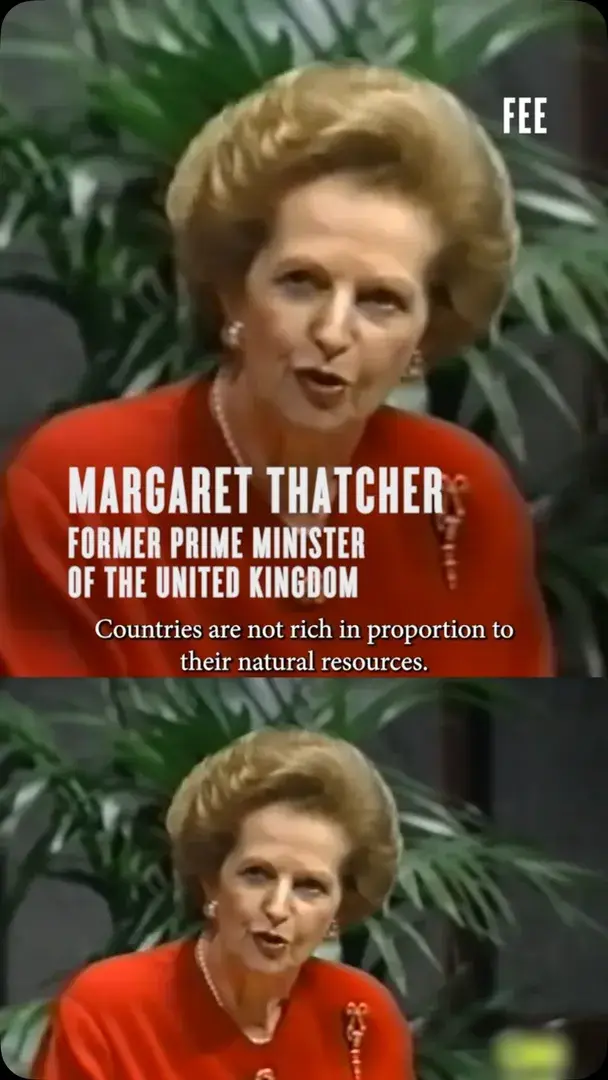 A country can be rich in natural resources and still be poor in opportunities.Sep 2920K likes
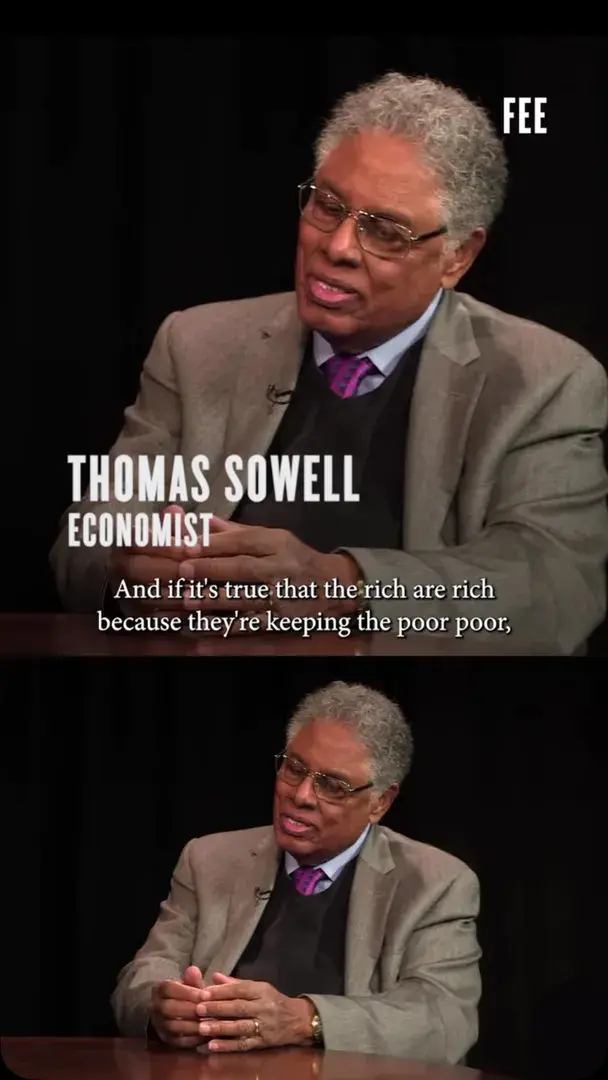 Thomas Sowell challenges one of the most persistent economic myths…Sep 191.7K likes
 Why the arguments for AI-socialist planning fail.Sep 6704 likes
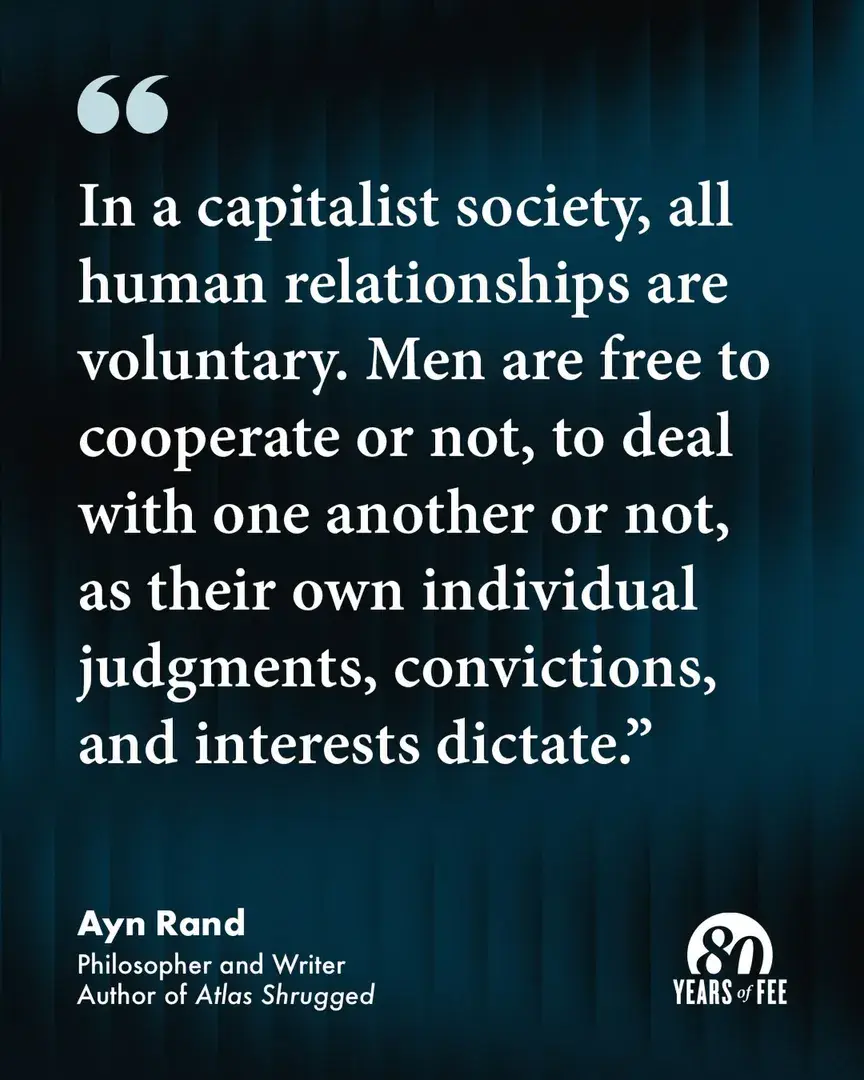 Ayn Rand saw capitalism as more than an economic system.Sep 21646 likes
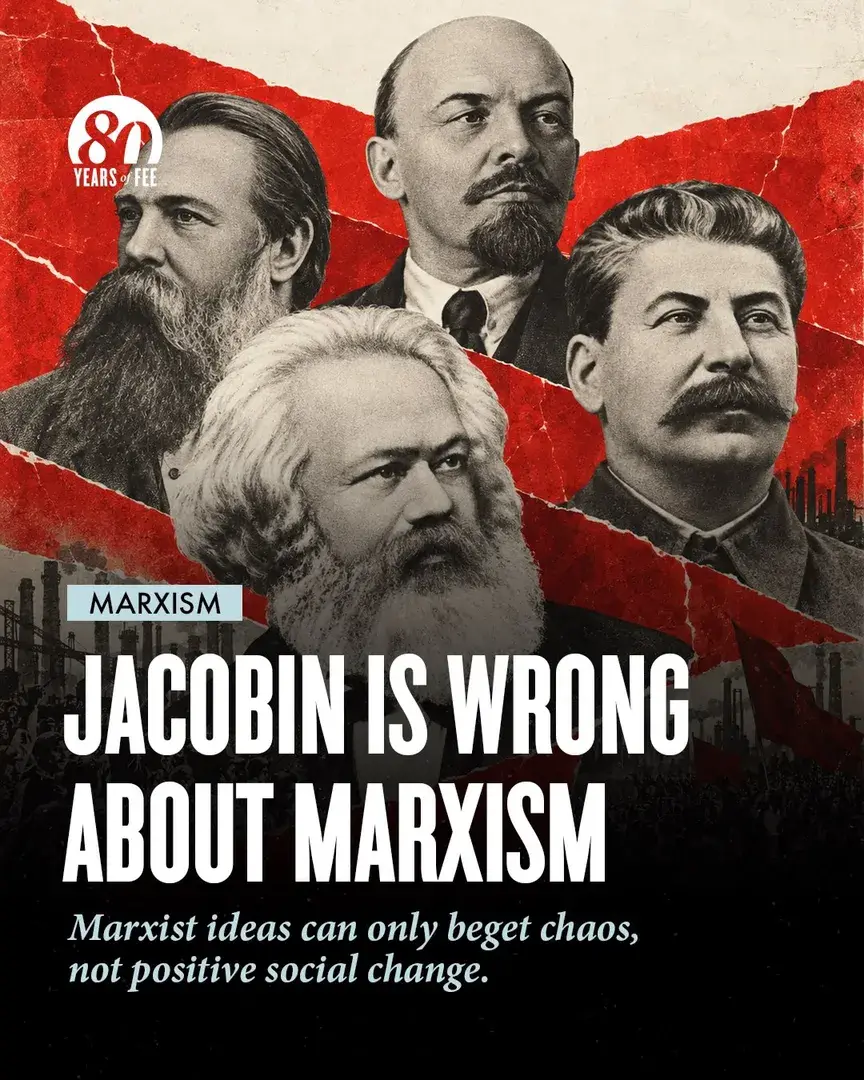 Marxist ideas can only beget chaos, not positive social change.Oct 11594 likes
 Hopping on the ’80s trend, but Milton Friedman was actually spending the decade bringing…Sep 13578 likes
 There is a strange inconsistency in attacking capitalism while celebrating the abundance…Sep 7571 likes
 The reasons for regulating AI are far weaker than one could expect.Oct 1567 likes
 Economics has always been a challenge to political conceit.Aug 27545 likes
 New York City is in a massive housing crisis, yet up to 50,000 apartments are sitting…Aug 30486 likes
 Rent control represents a classic economic paradox…Aug 31448 likes
 Ayn Rand understood that communism often advances through the moral weakness of those who…Sep 10427 likes