


 Foundation for Economic Education

91 likes
During World War II, the US government imposed wage controls to contain inflation.
With labor increasingly scarce, employers struggled to attract workers because they couldn’t freely raise wages. They found a workaround: offering additional compensation through fringe benefits, particularly health insurance. Comment “Healthcare” and we’ll send you the full video. In 1943, the National War Labor Board ruled that employer contributions to health insurance wouldn’t count as wages subject to government controls. Moreover, employer-paid health insurance premiums were generally excluded from employees’ taxable income, making them more attractive than equivalent wage increases. These incentives encouraged the expansion of employer-sponsored health insurance. The arrangement survived the war, and Congress formally codified its favorable tax treatment in 1954, helping institutionalize America’s employment-based health insurance system. The biggest problem with US health insurance is that it distorts prices.Oct 2437 likes
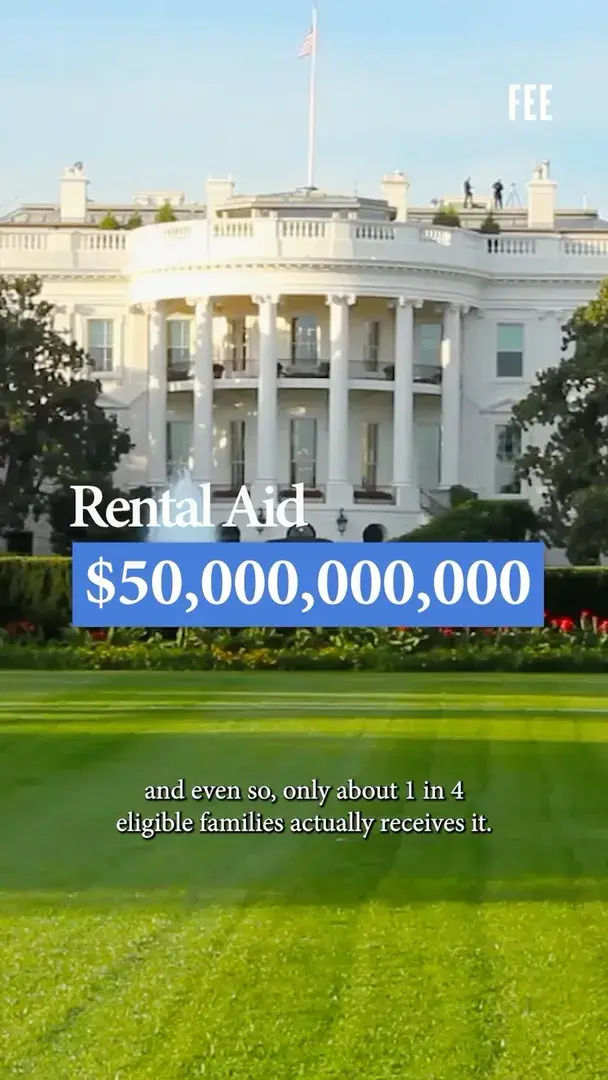 Housing subsidies become far more expensive when government refuses to let housing supply…Oct 1530 likes
 A tariff born from a 1960s dispute over chicken still makes American trucks more…Oct 13124 likes
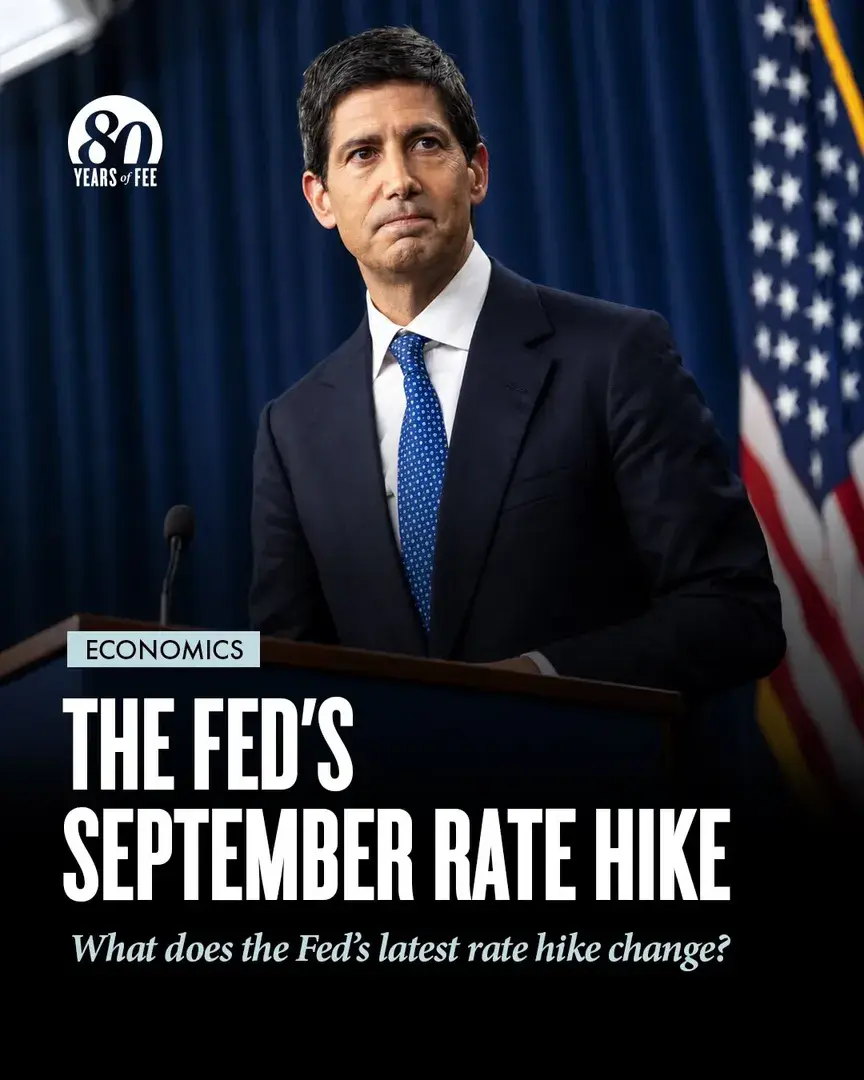 What does the Fed’s latest rate hike change?Oct 475 likes
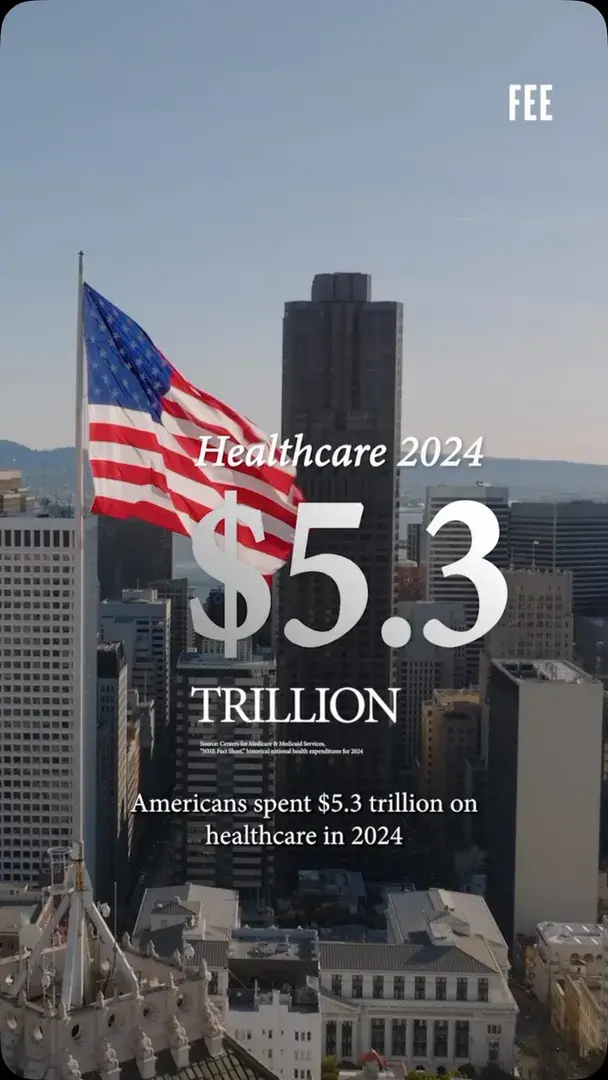 America’s healthcare system is often blamed on “the free market,” but much of it is…Sep 26135 likes
 Why have home prices soared when construction costs haven’t risen nearly as much?Sep 24146 likes
 Can government-owned grocery stores really make food dramatically cheaper?Sep 22527 likes
 Panic over AI can make us forget how innovation actually works.Sep 1262 likes
 AI has revived an old socialist hope: maybe central planning can finally work.Sep 591 likes
 Rent control sounds like an easy way to make housing affordable.Sep 3110 likes
 Gen Z is trading smartphones for film cameras, typewriters, and blacksmithing classes.Sep 2117 likes
 AI may be revolutionary and still disappoint investors in the short term.Sep 149 likes
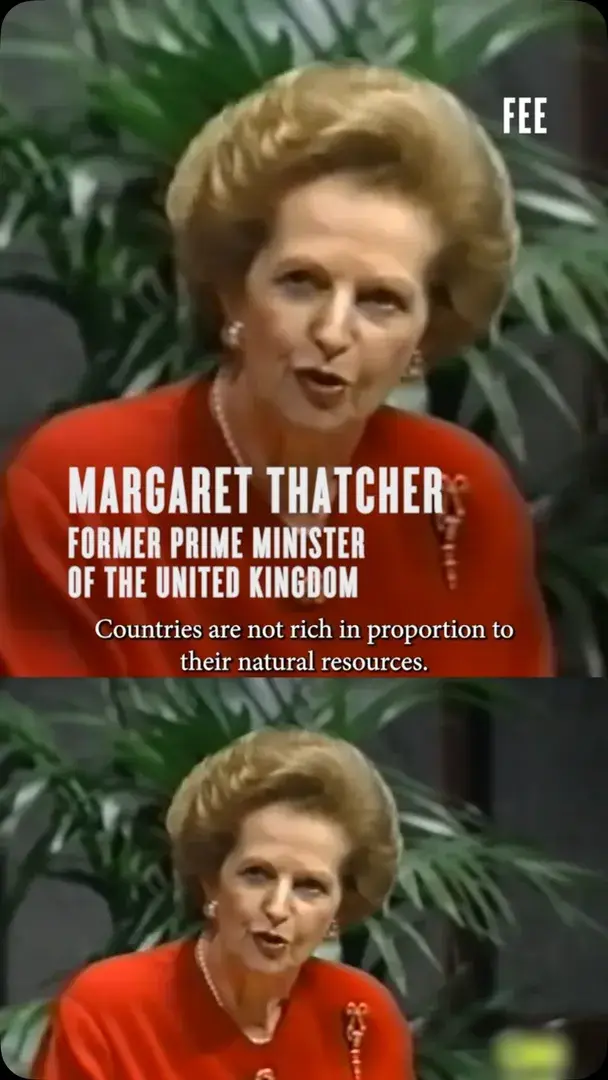 A country can be rich in natural resources and still be poor in opportunities.Sep 2920K likes
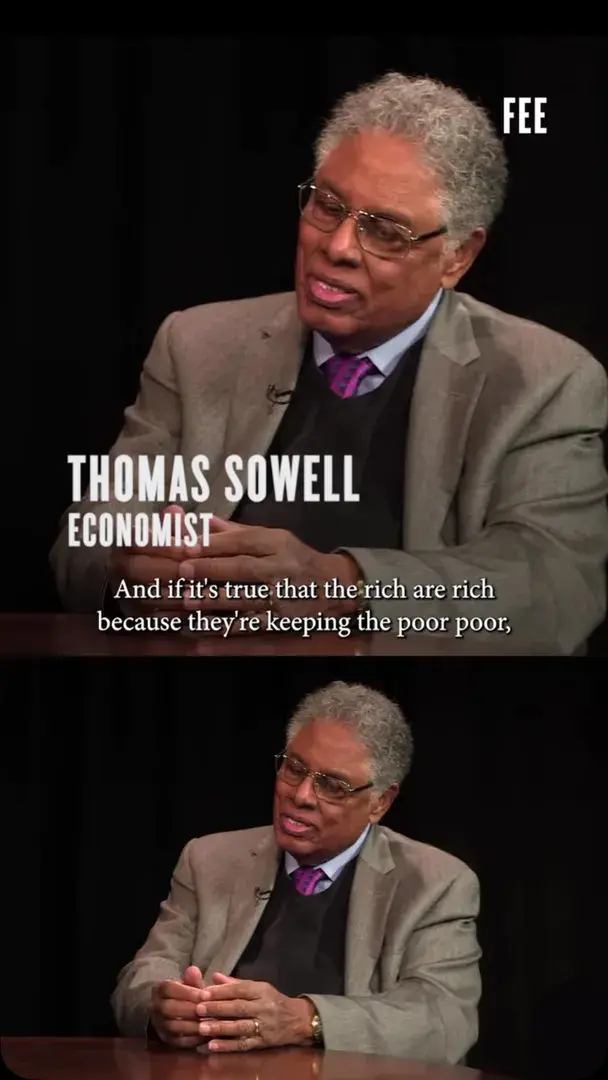 Thomas Sowell challenges one of the most persistent economic myths…Sep 191.7K likes
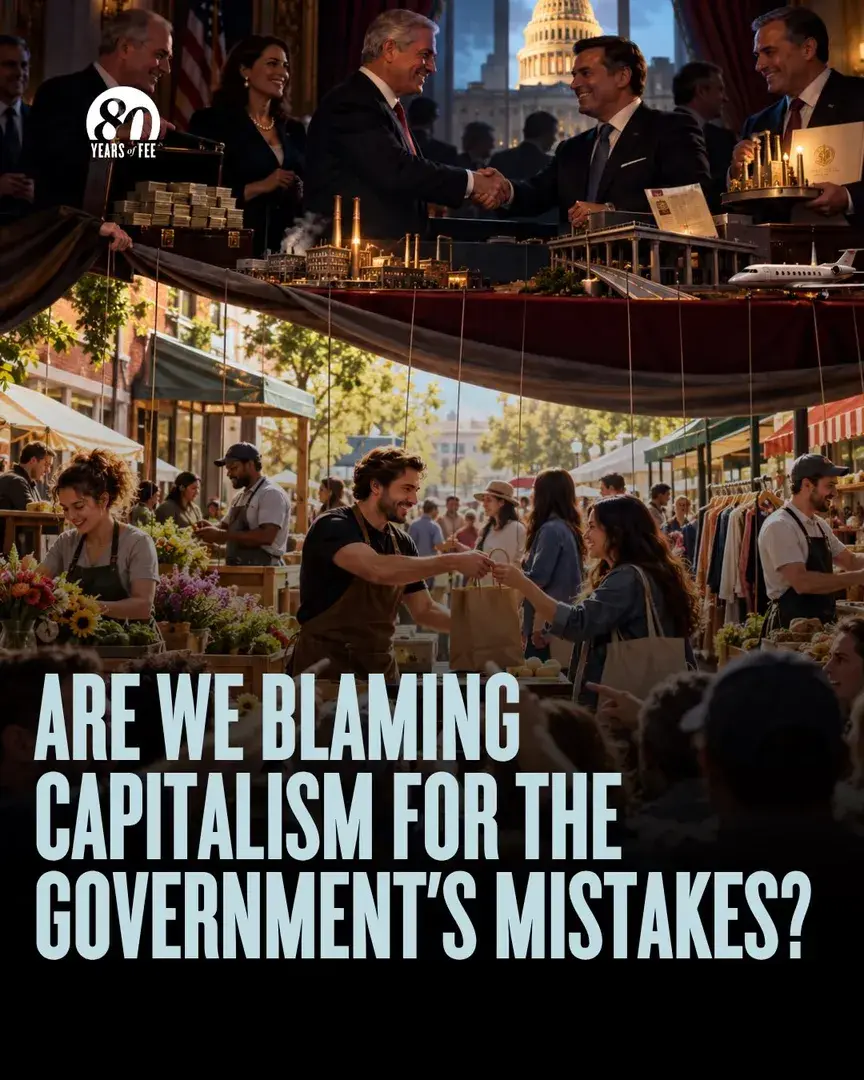 Capitalism should not be blamed for privileges created by government.Oct 231.1K likes
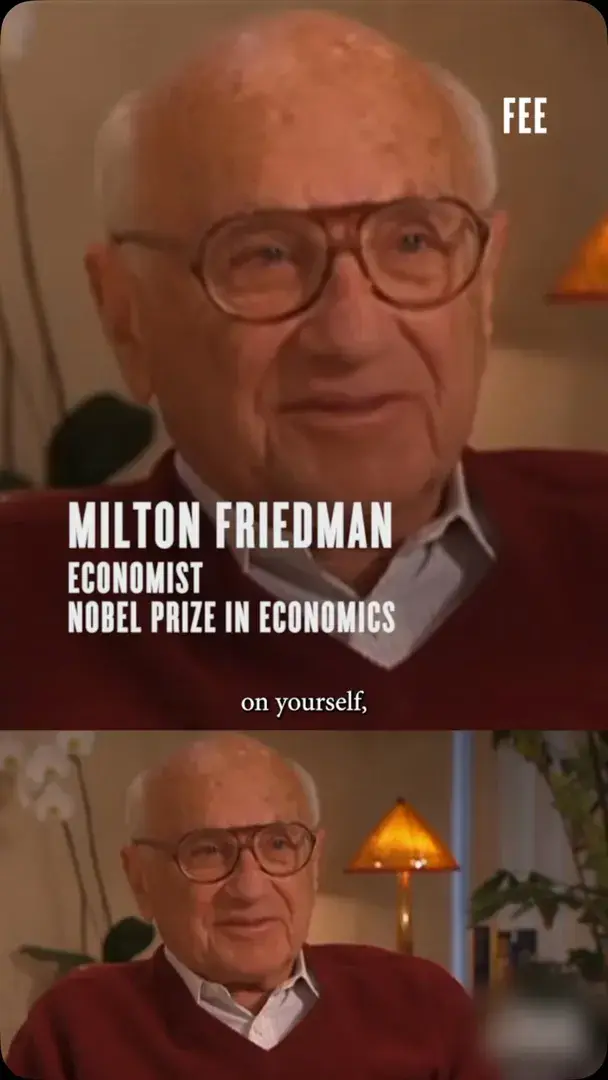 Milton Friedman understood that the way we spend money changes our incentives.Oct 8991 likes
 France’s economic troubles run deeper than the rising cost of living.Oct 21950 likes
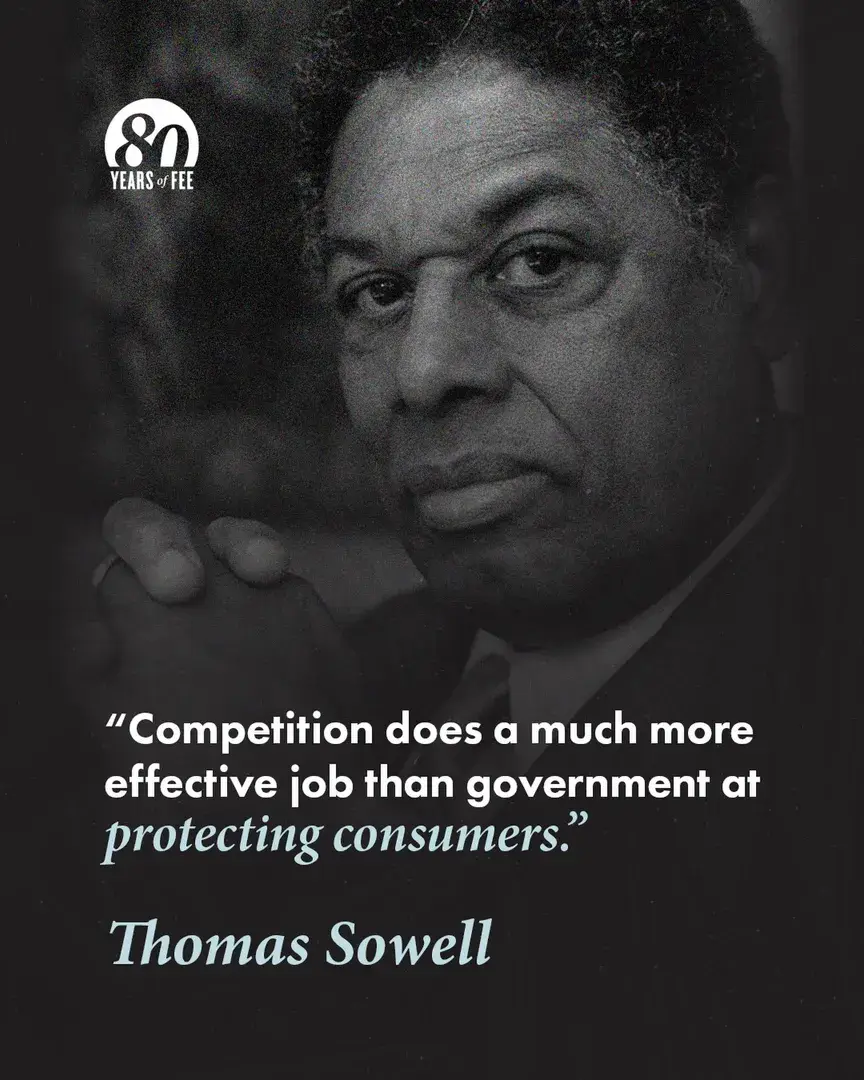 Thomas Sowell understood that consumers are often protected most effectively when…Oct 12744 likes
 Why the arguments for AI-socialist planning fail.Sep 6704 likes
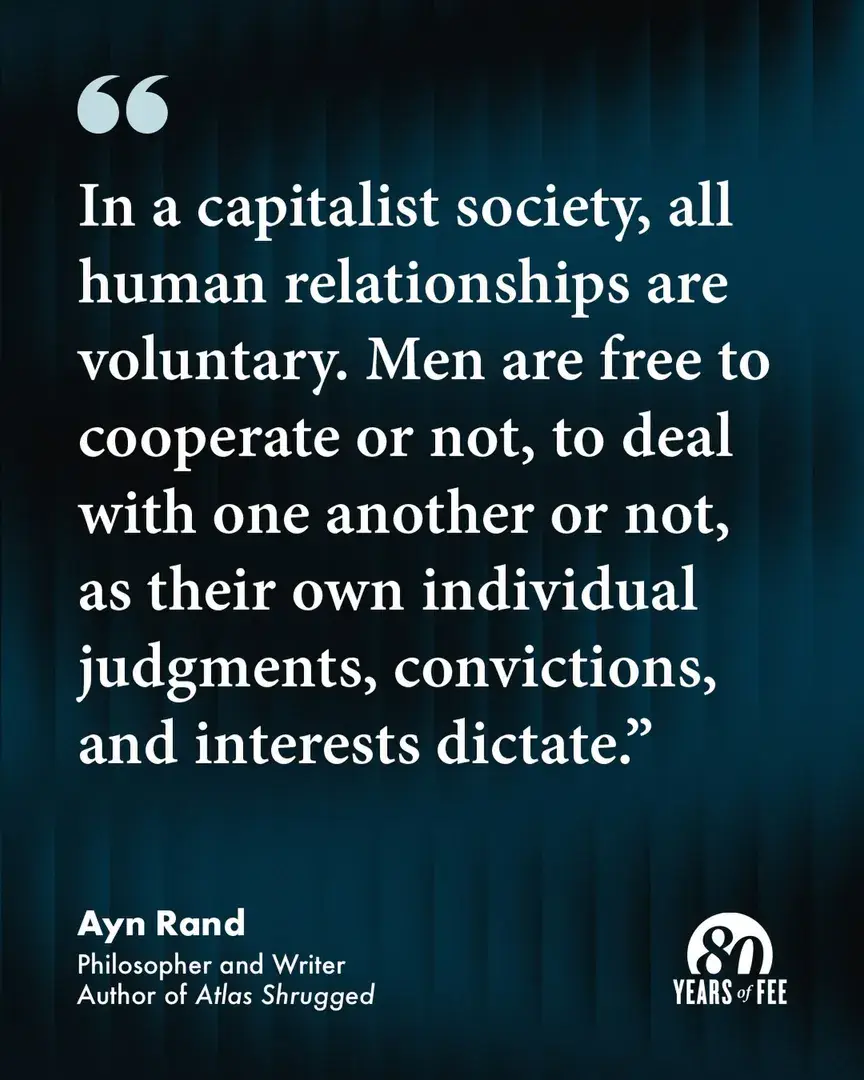 Ayn Rand saw capitalism as more than an economic system.Sep 21646 likes
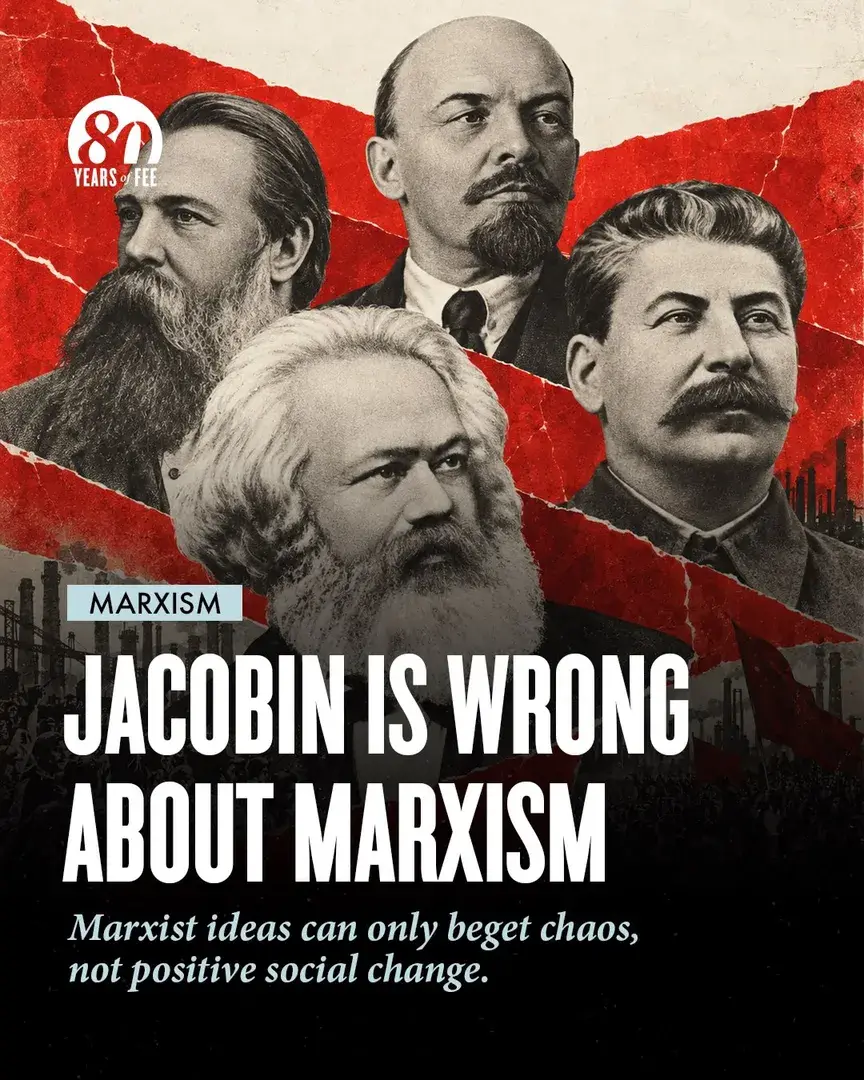 Marxist ideas can only beget chaos, not positive social change.Oct 11594 likes
 Hopping on the ’80s trend, but Milton Friedman was actually spending the decade bringing…Sep 13578 likes
 There is a strange inconsistency in attacking capitalism while celebrating the abundance…Sep 7571 likes
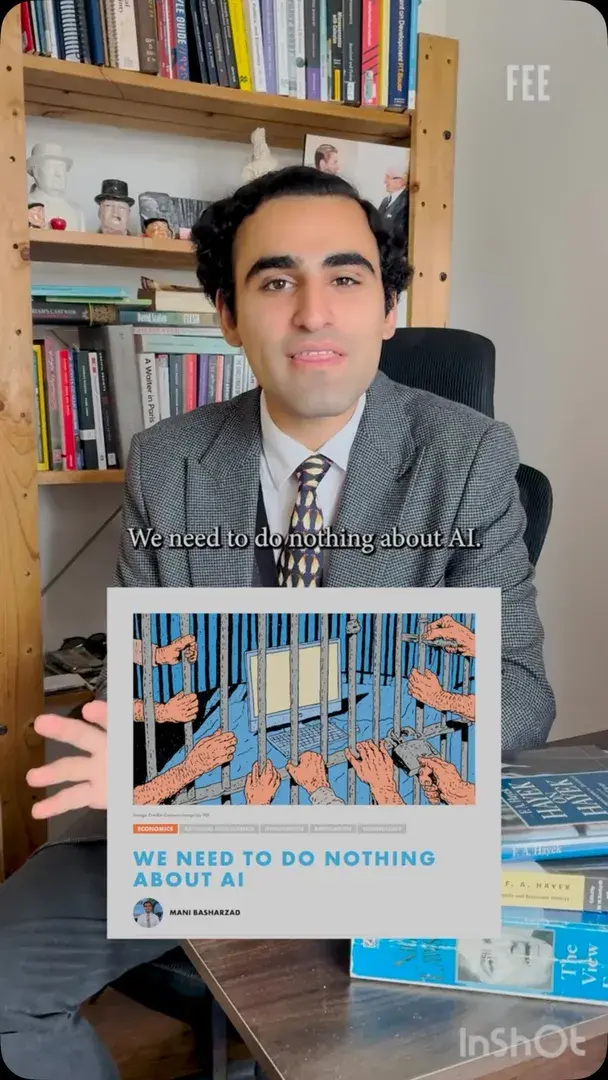 The reasons for regulating AI are far weaker than one could expect.Oct 1567 likes