


 Foundation for Economic Education

67 likes
Production is more than the mechanical combination of labor, land, and capital.
In its deepest economic sense, production is the creation of value. Comment “Production” and we’ll send you an article exploring this idea. As the classical economist Jean-Baptiste Say understood, consumer valuations ultimately drive economic activity in a market economy. We produce because we seek to satisfy human wants. Entrepreneurs create wealth by redirecting scarce resources from lesser-valued uses toward goods and services that consumers value more. Producing mountains of goods that nobody wants accomplishes nothing. Actually, producing things of negative value, or things that nobody wants, has a more precise name: destruction. Say also emphasized a fundamental economic truth: before we can consume, something must be produced. This insight is often overlooked in debates about economic stimulus. John Maynard Keynes argued that insufficient aggregate demand could leave productive resources idle and that government spending could help revive economic activity. Yet stimulating expenditure cannot, by itself, guarantee lasting prosperity. Even when additional spending helps bring idle resources back into production, sustained improvements in living standards require capital accumulation, innovation, and the creation of goods and services that satisfy consumers. Wealth is ultimately measured by what we can enjoy, not by how much we can spend. A prosperous society must first create the value it hopes to consume.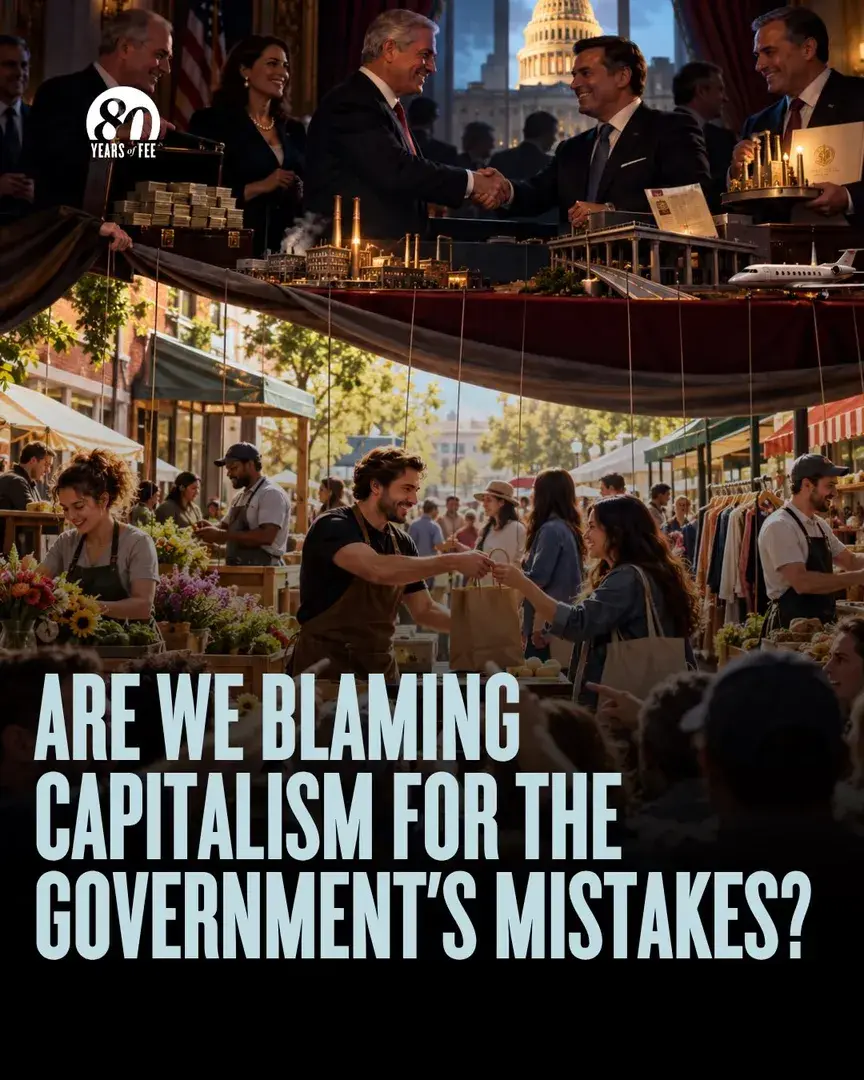 Capitalism should not be blamed for privileges created by government.Oct 231.1K likes
 Wall Street makes an easy villain in the housing crisis.Oct 2299 likes
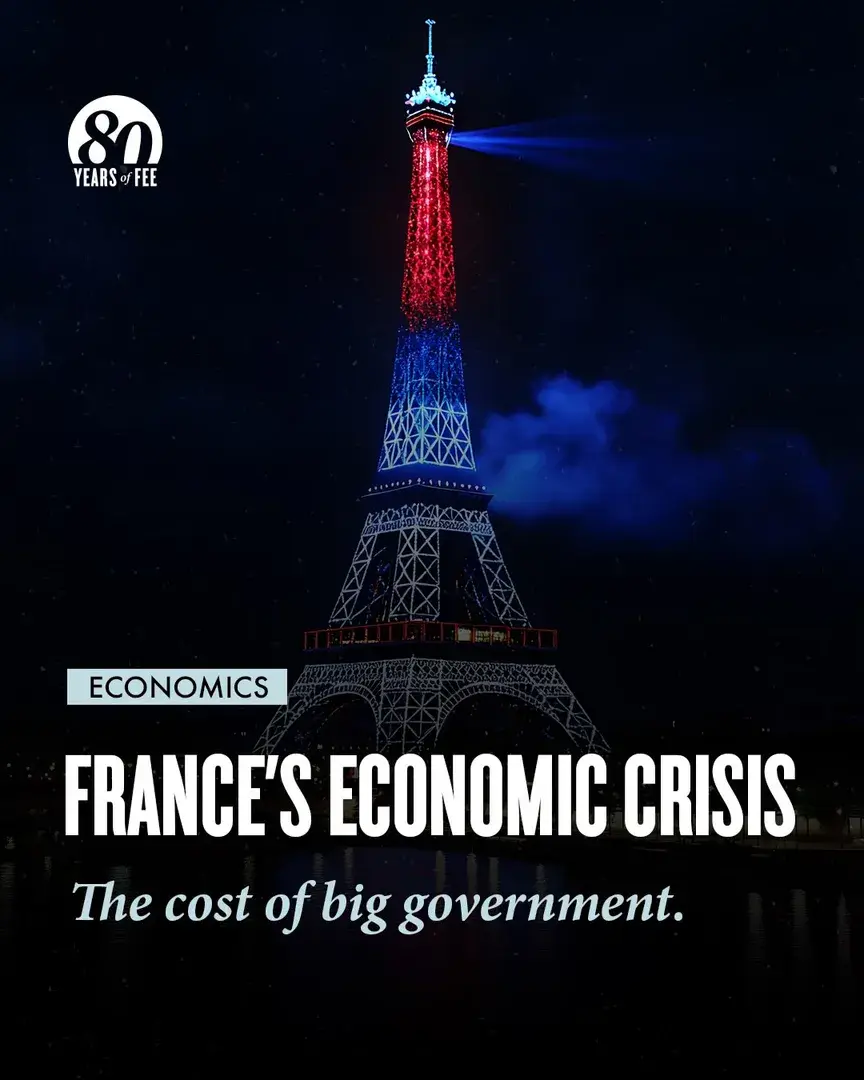 France’s economic troubles run deeper than the rising cost of living.Oct 21950 likes
 During World War II, the US government imposed wage controls to contain inflation.Oct 2091 likes
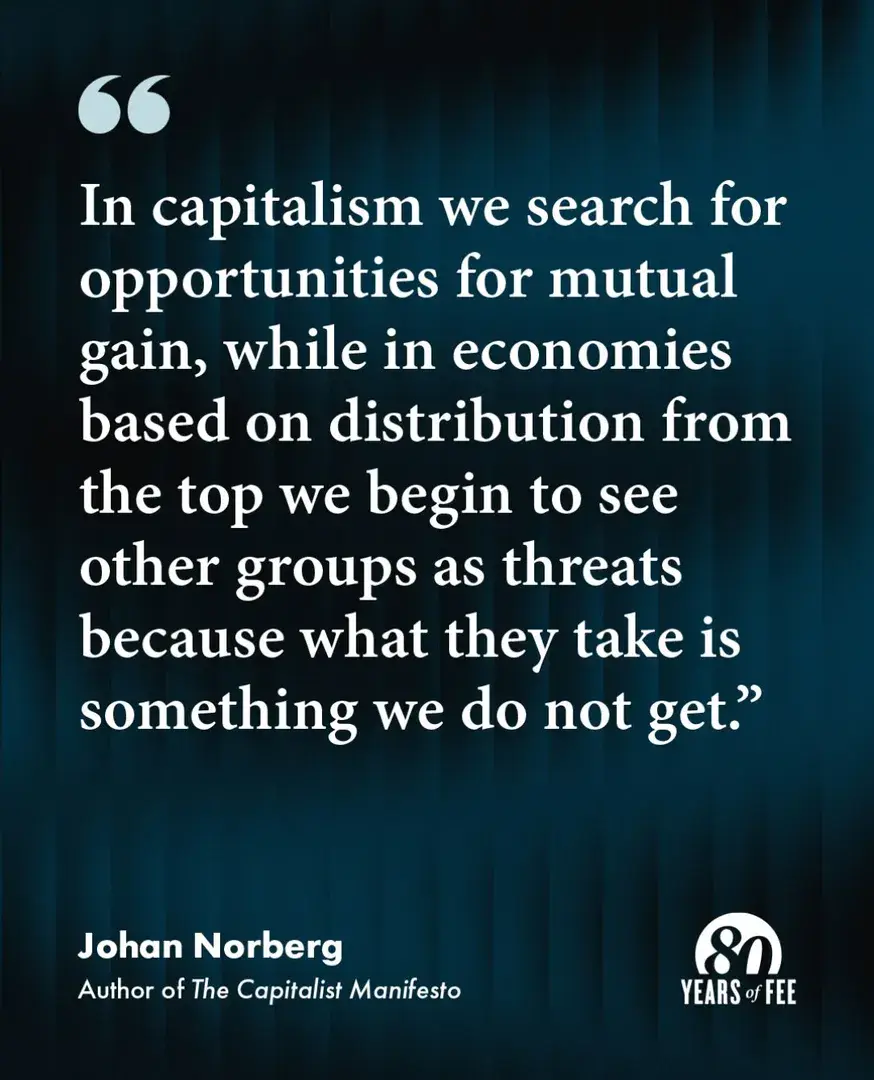 Free-market capitalism motivates you to serve others on their own terms…Oct 19353 likes
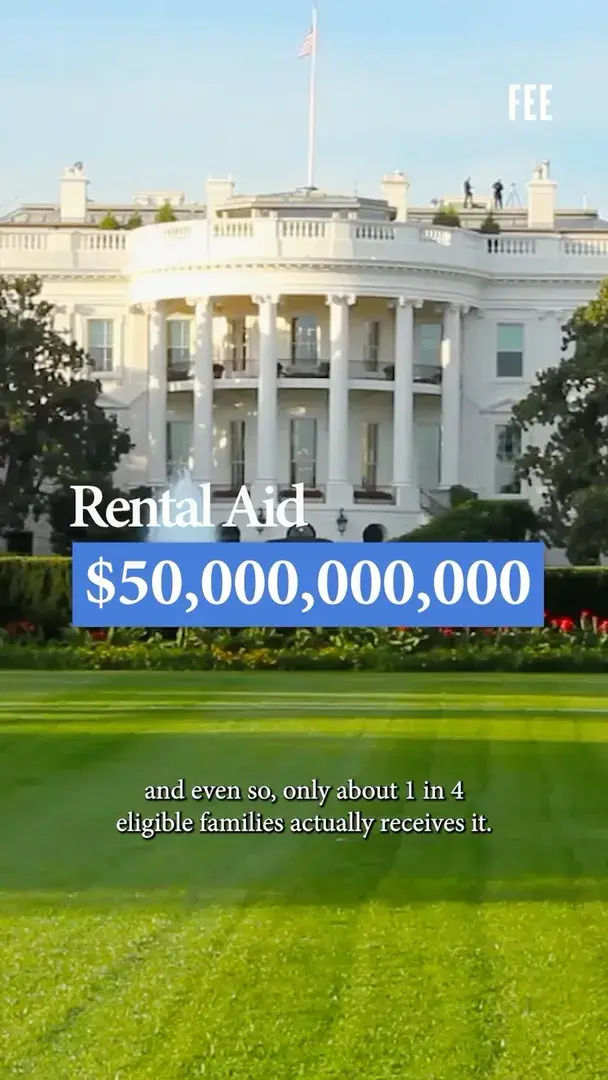 Housing subsidies become far more expensive when government refuses to let housing supply…Oct 1530 likes
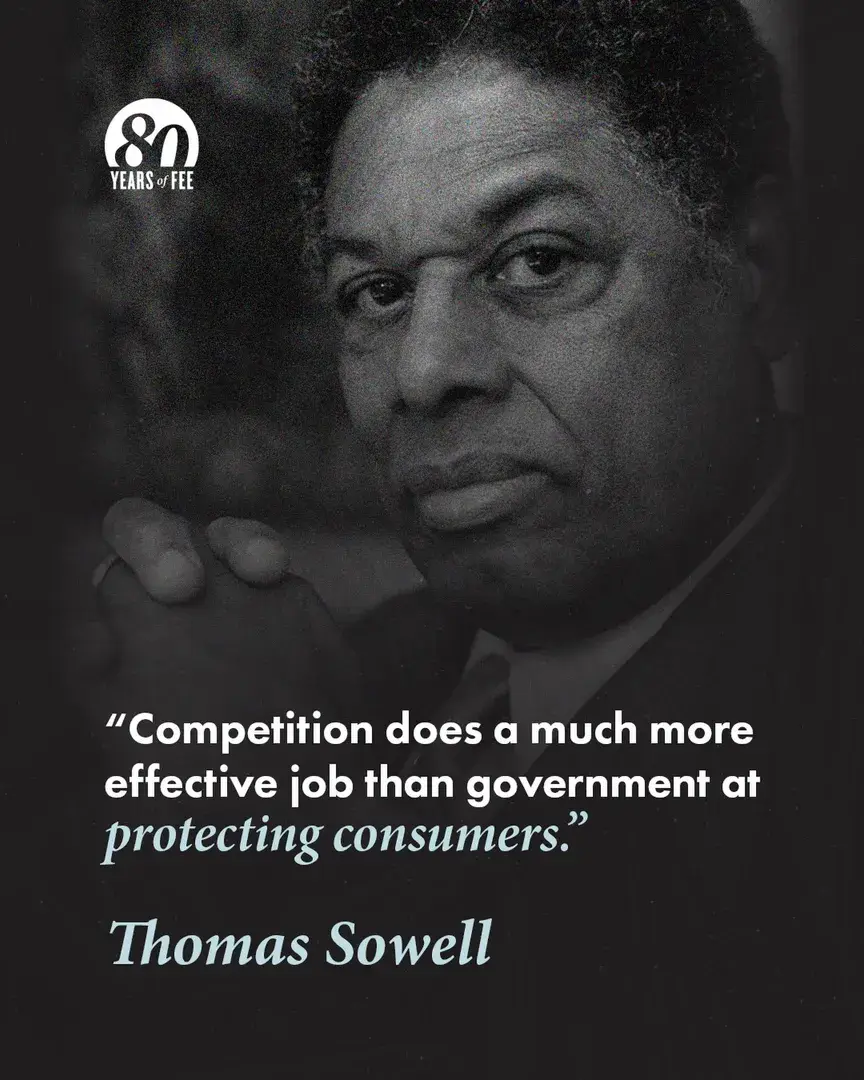 Thomas Sowell understood that consumers are often protected most effectively when…Oct 12744 likes
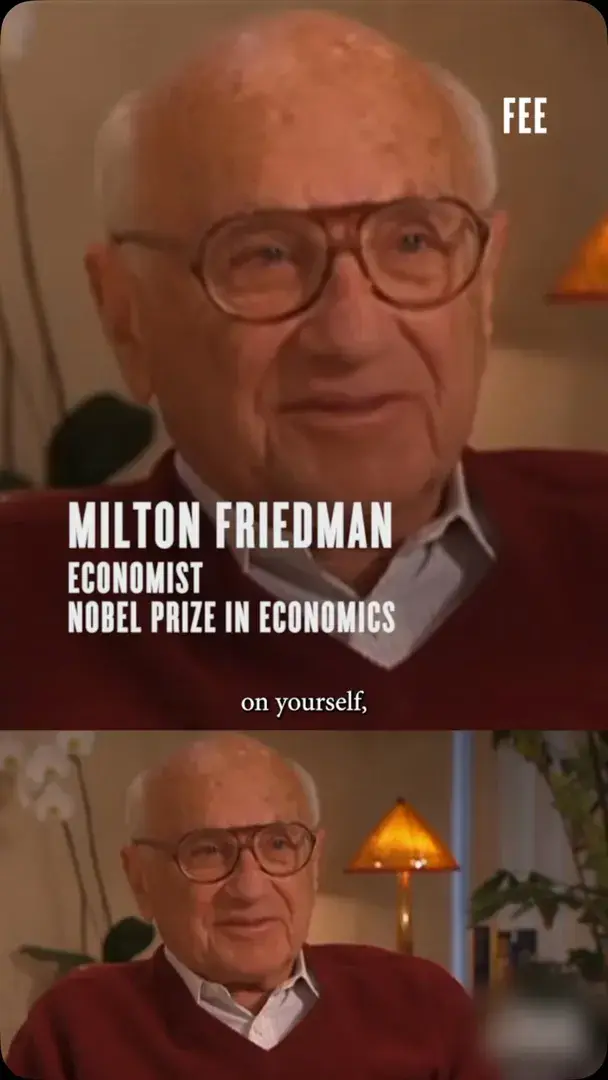 Milton Friedman understood that the way we spend money changes our incentives.Oct 8991 likes
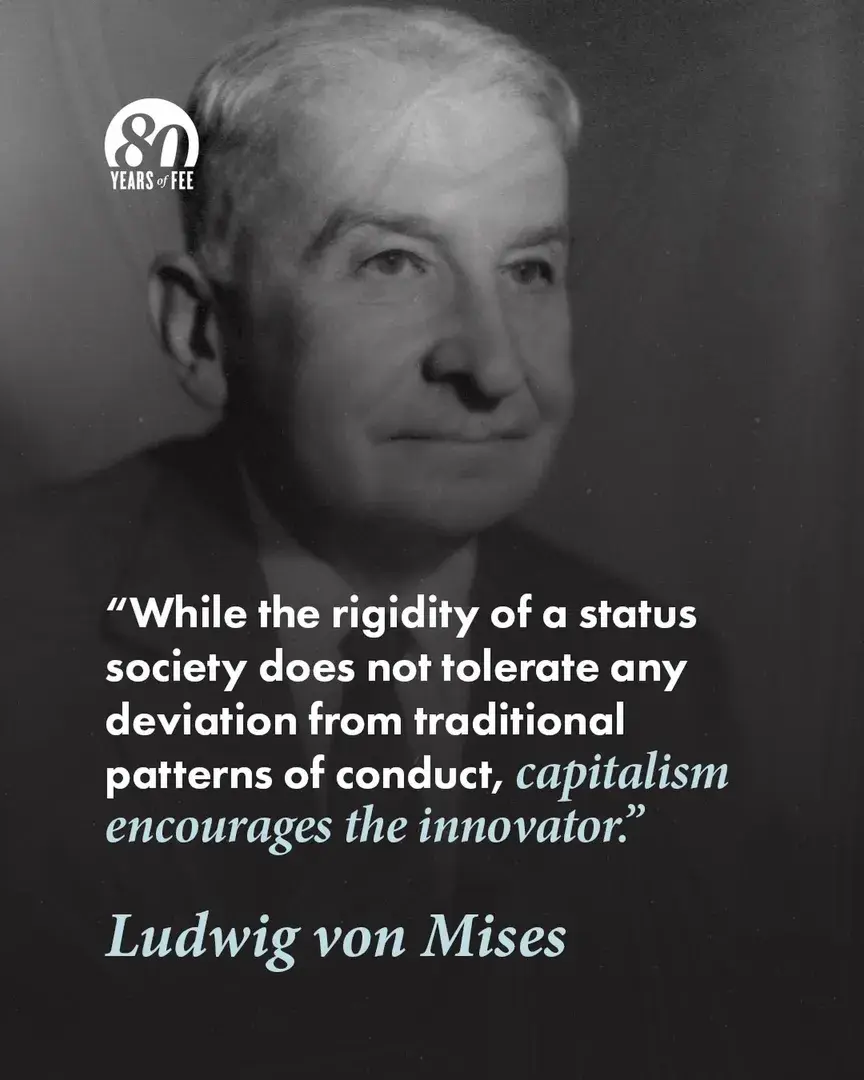 Innovation is inherently rebellious.Sep 28278 likes
 America’s healthcare system is often blamed on “the free market,” but much of it is…Sep 26135 likes
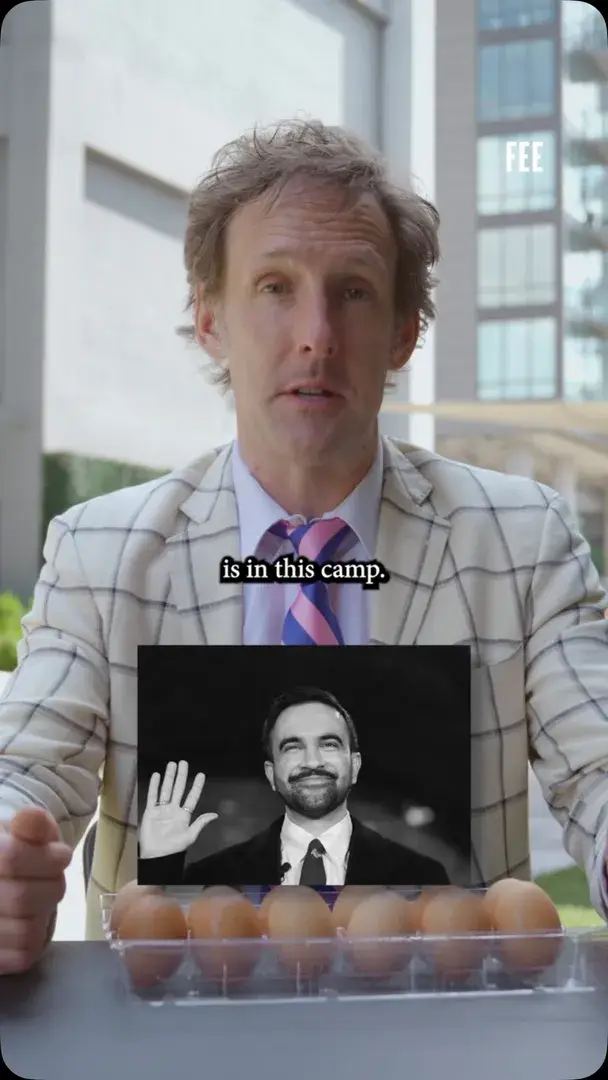 Can government-owned grocery stores really make food dramatically cheaper?Sep 22527 likes
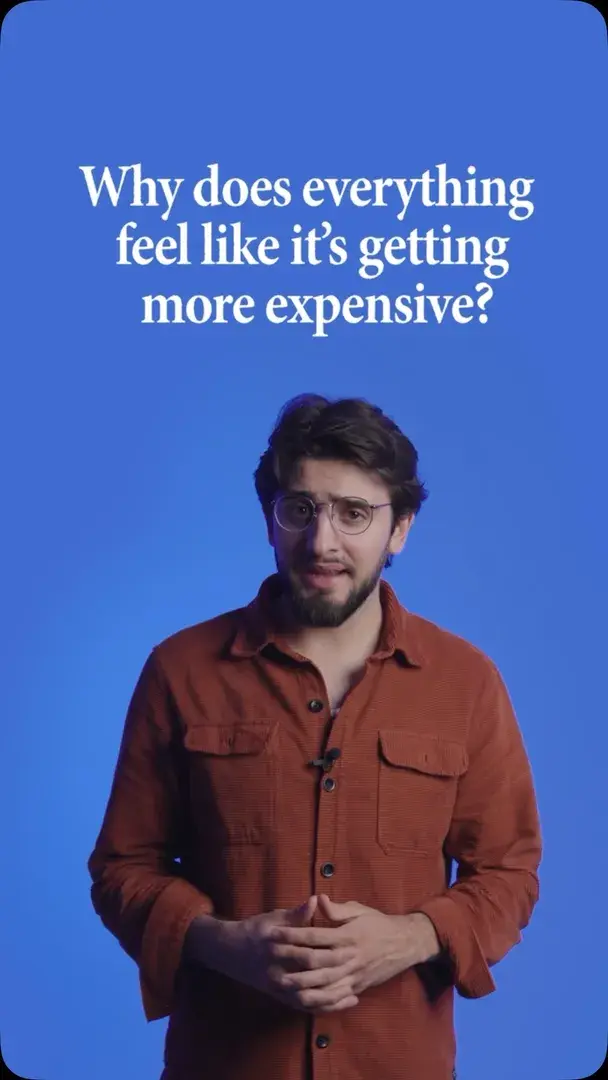 Economist Mark Perry’s “Chart of the Century” tells a striking story about prices.Sep 15121 likes
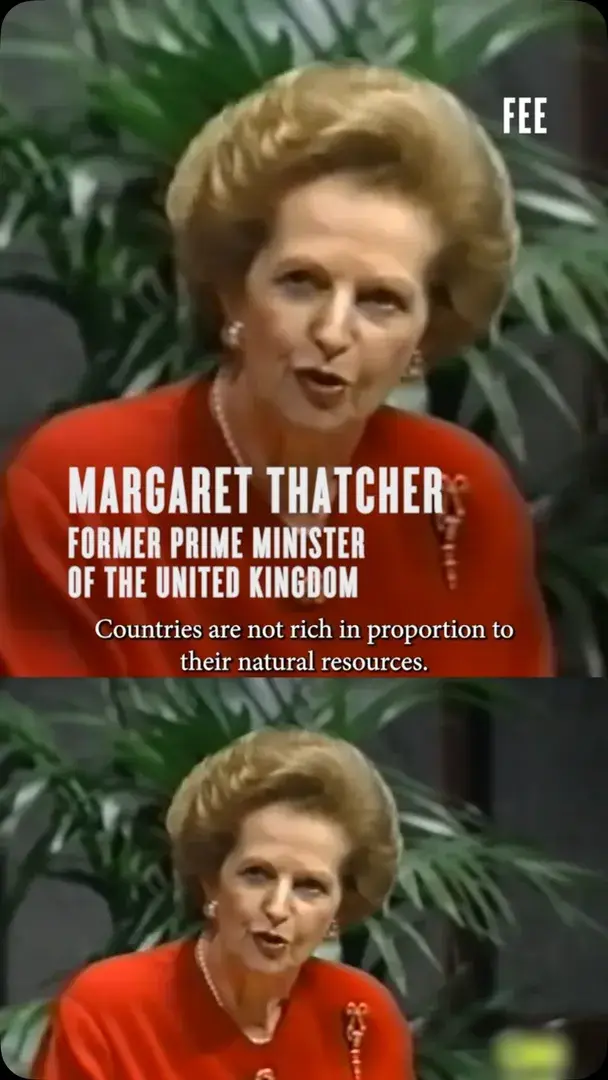 A country can be rich in natural resources and still be poor in opportunities.Sep 2920K likes
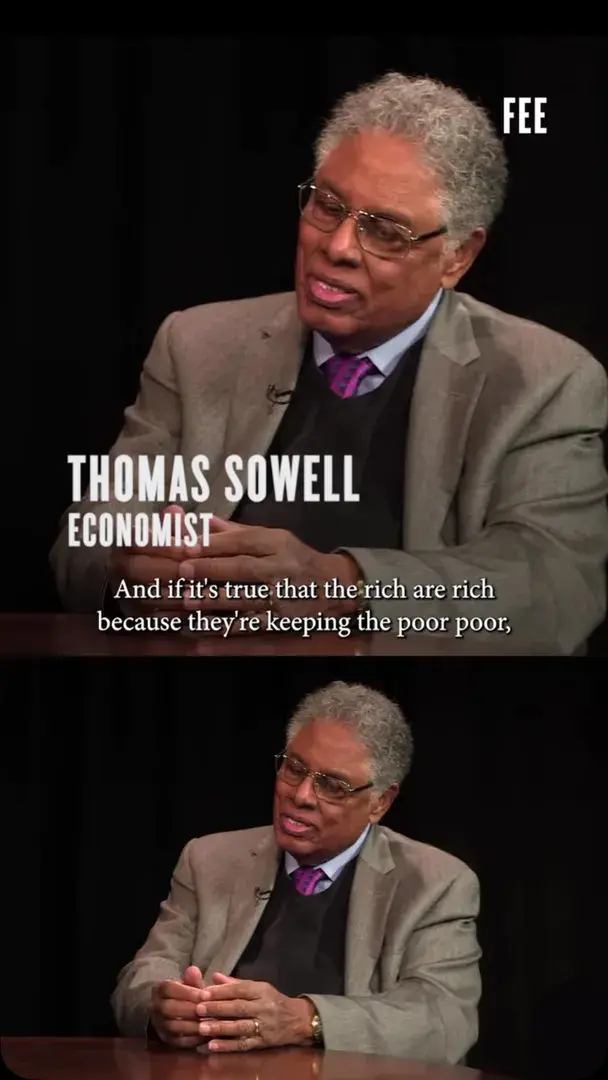 Thomas Sowell challenges one of the most persistent economic myths…Sep 191.7K likes
 Why the arguments for AI-socialist planning fail.Sep 6704 likes
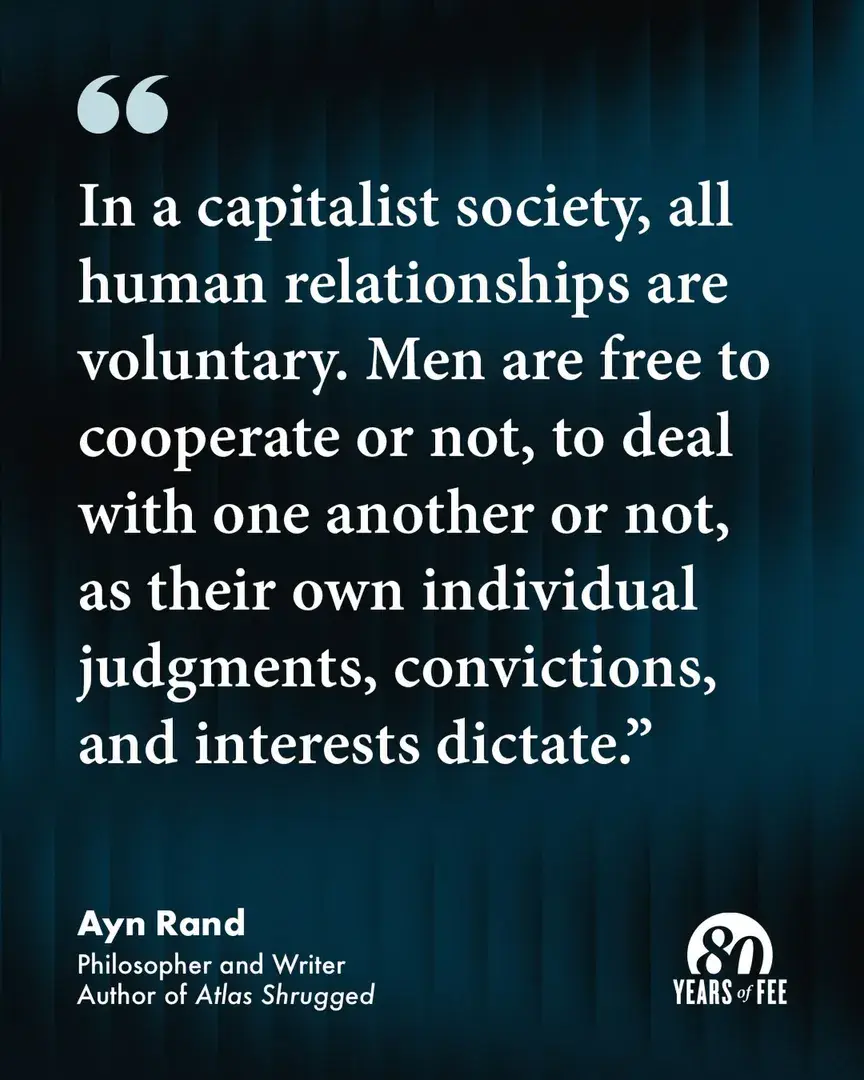 Ayn Rand saw capitalism as more than an economic system.Sep 21646 likes
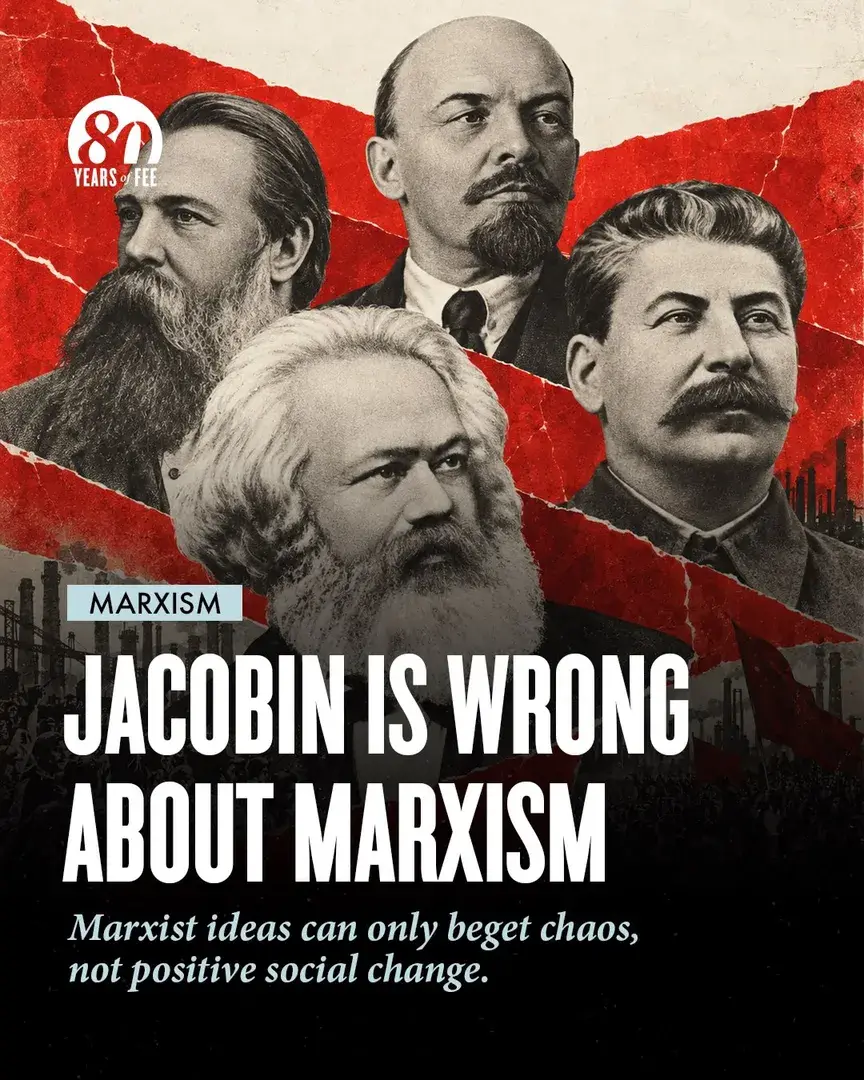 Marxist ideas can only beget chaos, not positive social change.Oct 11594 likes
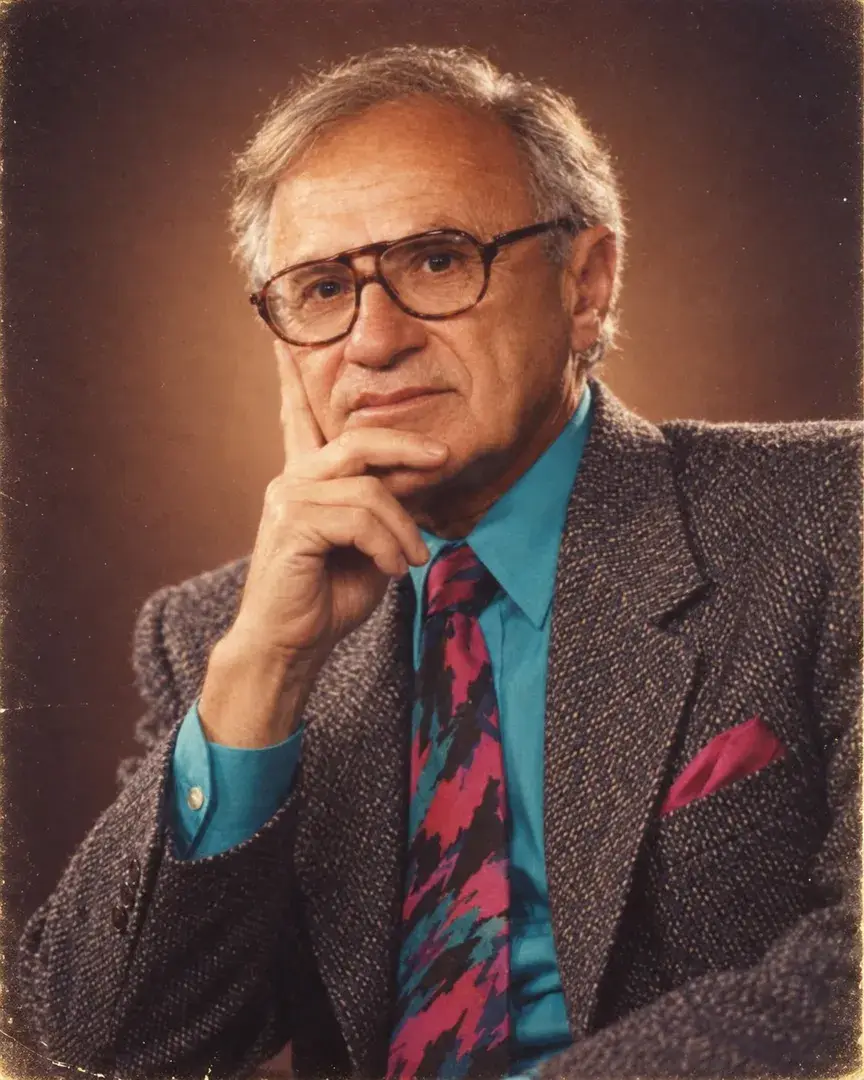 Hopping on the ’80s trend, but Milton Friedman was actually spending the decade bringing…Sep 13578 likes
 There is a strange inconsistency in attacking capitalism while celebrating the abundance…Sep 7571 likes
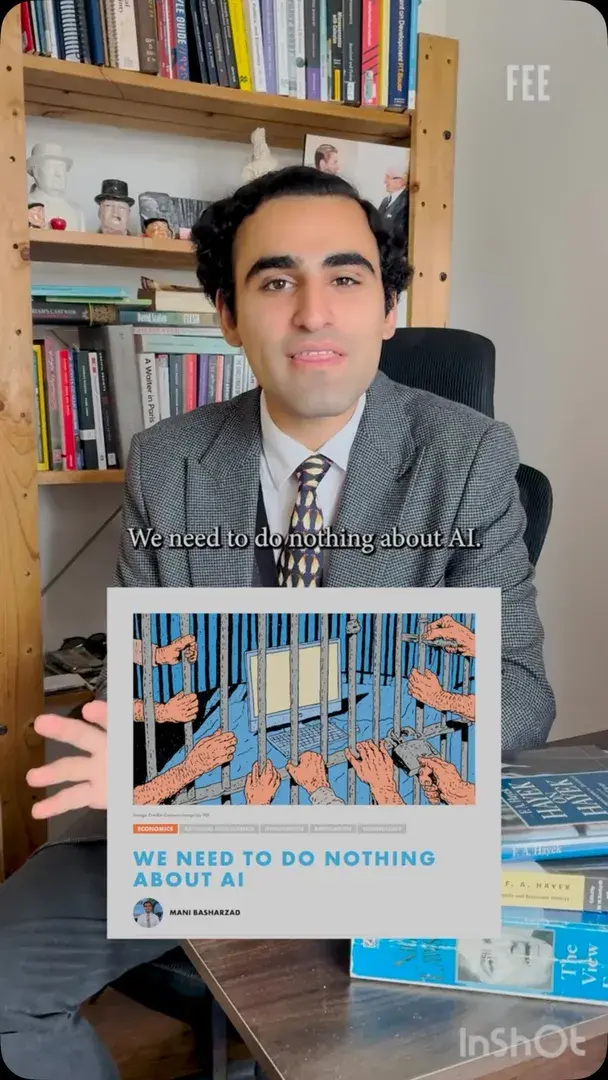 The reasons for regulating AI are far weaker than one could expect.Oct 1567 likes
 Economics has always been a challenge to political conceit.Aug 27545 likes
 New York City is in a massive housing crisis, yet up to 50,000 apartments are sitting…Aug 30486 likes
 Rent control represents a classic economic paradox…Aug 31448 likes
 Ayn Rand understood that communism often advances through the moral weakness of those who…Sep 10427 likes