

 ACLU of Georgia
Stop. The. Bans.
The ACLU of Georgia’s work to fight for reproductive freedom.
Women and couples deciding whether and when to start or expand a family
From acluga.org/campaigns-initiatives/stop-bans-0 ↗About this program
The ACLU of Georgia's work to fight for reproductive freedom.
The ACLU of Georgia is firmly on the frontlines protecting the liberty and freedom of women and couples to decide whether and when to start or expand a family without government interference.
Georgia physicians, reproductive health care providers, and advocates filed a lawsuit in the Superior Court of Fulton County on June 26, 2022, bringing a state constitutional challenge against H.B. 481, a law banning abortion at approximately six weeks of pregnancy — just two weeks after a person's first missed period and before many people even know they are pregnant.
On September 30, 2024, the Superior Court of Fulton County struck down Georgia's six-week abortion ban, finding that the State Constitution does not allow politicians to deny Georgians' fundamental right to make their own decisions about their bodies, their health, and their futures. In the words of the Court, "women are not some piece of collectively owned community property the disposition of which is decided by majority vote."
Questions
What did the Superior Court of Fulton County decide on September 30, 2024?
On September 30, 2024, the Superior Court of Fulton County struck down Georgia's six-week abortion ban, finding that the State Constitution does not allow politicians to deny Georgians' fundamental right to make their own decisions about their bodies, their health, and their futures.
What is H.B. 481?
a law banning abortion at approximately six weeks of pregnancy
Details
- Who
- Women and couples deciding whether and when to start or expand a family
Run by
ACLU of Georgia's Local Election Advocates and Defenders (LEAD)The Local Election Advocates and Defenders (LEAD) program helps build more transparent, effective, accessible, and responsive elections offices.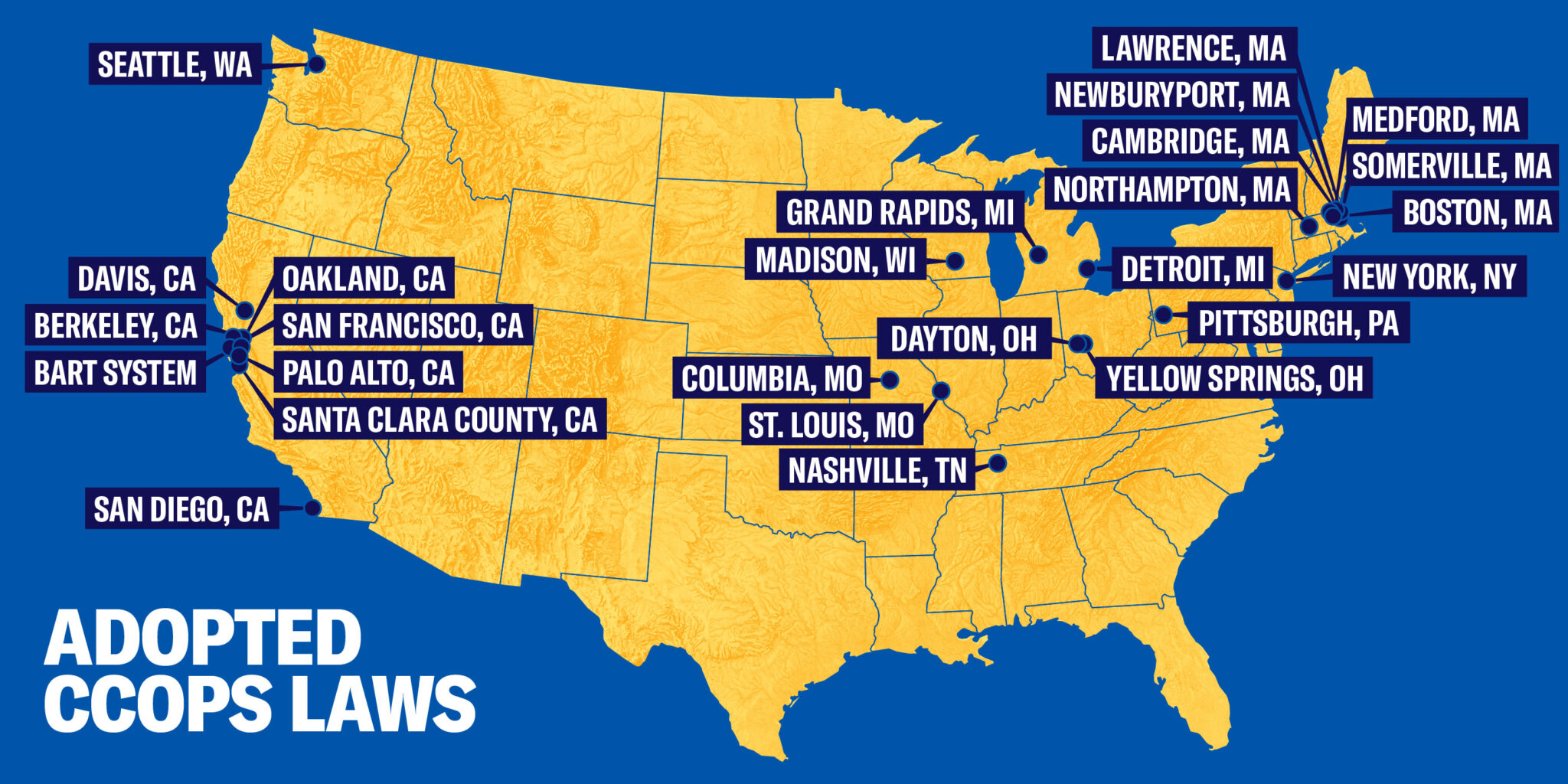 Protect our Privacy: Pass Community Control over Police Surveillance in AtlantaProtect Our Privacy: Community Control Over Police Surveillance in Atlanta calls for increased transparency, oversight, and accountability around law enforcement’s purchase and use of surveillance technologies.
 The CROWN ActThe CROWN Act was created to ensure protection against discrimination based on race-based hairstyles by extending statutory protection to hair texture and protective styles such as braids, locs, twists, and knots in the workplace and public schools.