

 ACLU of Georgia
's Local Election Advocates and Defenders (LEAD)
The Local Election Advocates and Defenders (LEAD) program helps build more transparent, effective, accessible, and responsive elections offices.
Volunteers who monitor and advocate for voter access in their Georgia counties · Year-round; approximately 5-10 hours a month outside of Election Day/Early Vote, with monthly Board of Elections meetings and 6 to 8 monthly LEAD trainings per
From acluga.org/acluga-local-election-advocates-defenders ↗About this program
The work to ensure that Georgia’s election are fair, secure, and accessible to all eligible Georgians occurs at multiple levels. Laws are created and passed at the legislative level; the State Election Board and Secretary of State’s office ensure the implementation of these laws while the management of elections falls to the County Board of Elections and County Election Offices. Our volunteers enable us to hold these state and local county officials accountable to make decisions that are for the good of all Georgia voters.
The Local Election Advocates and Defenders (LEAD) program helps build more transparent, effective, accessible, and responsive elections offices.
Through the LEAD program, volunteers also known as LEADers, are embedded in their counties to closely monitor and advocate for voter access. LEADers responsibilities include attending local Board of Elections meetings, reporting on potential issues, and working with the ACLU of Georgia to advocate for voter-minded policies and practices. LEADers also have the opportunity to monitor and advocate at the State Election Board level and get involved in legislative session.
Outside of attending monthly local Board of Elections meetings, LEADers can expect the below communications on a regular basis: Monthly Meeting: Voter Access/Rights trainings or relevant Elections panel; Monthly Newsletter: Information on what is occurring in the LEAD program and at the ACLU of GA; Monthly Board of Elections Calendar: Calendar of monthly board of elections meetings for the relevant counties; Monthly Note Submission: Confirmation of notes submitted or pending submission; Calls to Action: Depending on the issue at hand, the Voter Access Project department will request LEADers to partake in calls to action as a rapid response.
Questions
Who can be a LEADer?
Anyone can be a LEADer! Dedication to local voter protection is the most important qualification for being a LEADer.
Does the ACLU of Georgia reimburse travel?
Be willing and able to travel to the Elections and Registrations office and other county government buildings where election business is held (The ACLU of Georgia will reimburse for transportation costs as needed)
How do I apply?
Fill out an application to be an ACLU-GA LEADer in your county here. A Voter Access Project team member will get in touch with you to schedule a conversation about the role and your interest. When accepted as a volunteer, the Voter Access Project team member will send you a packet of materials to educate you more on our work and the issues that are important to us to get you enrolled in the program. After all this, you're set to start attending Board of Election meetings and are officially a LEADer!
What are the expected responsibilities?
Year-round: Attend monthly Board of Election meetings 6 to 8 times out of the year, mainly in person, with flexibility for virtual, if offered by the county; Attend monthly LEAD meetings for trainings 6 to 8 times out of the year virtually; Submit online form based off detailed meeting notes; Follow local news and sign up to receive county government updates on meetings, hearings, announcements, etc.; Flag potential issues directly to the Voter Access Project team; Following Voter Access Project team guidance, advocate for pro-voter policies at Board meetings; Develop cordial and professional relationships with election officials; Be available to assist with voter access issues that may occur in your county.
Details
- Who
- Volunteers who monitor and advocate for voter access in their Georgia counties
- When
- Year-round; approximately 5-10 hours a month outside of Election Day/Early Vote, with monthly Board of Elections meetings and 6 to 8 monthly LEAD trainings per
- Where
- Their home county (in person at local Board of Elections and county government meetings, with virtual LEAD meetings)
Run by
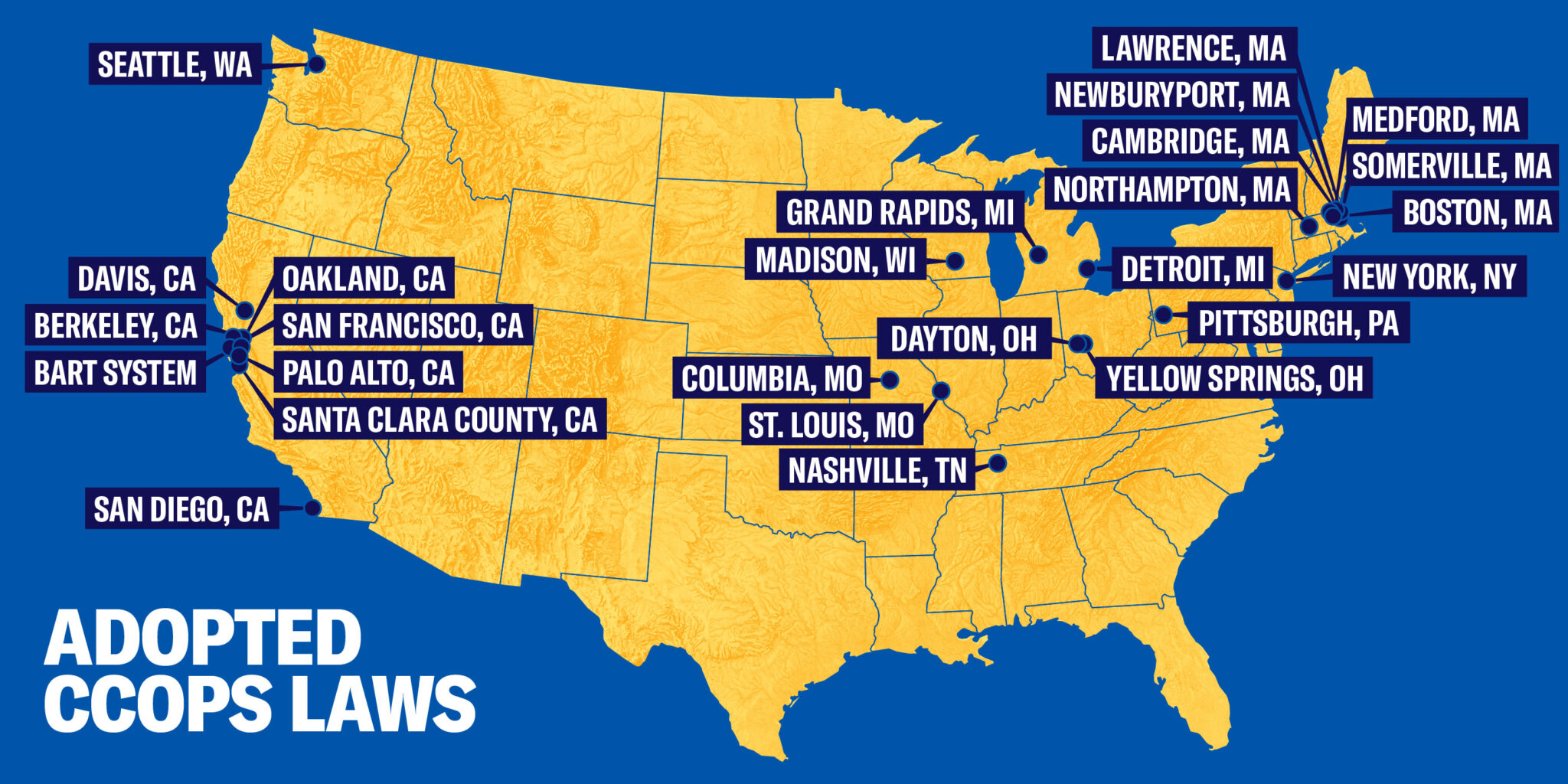 Protect our Privacy: Pass Community Control over Police Surveillance in AtlantaProtect Our Privacy: Community Control Over Police Surveillance in Atlanta calls for increased transparency, oversight, and accountability around law enforcement’s purchase and use of surveillance technologies.
 The CROWN ActThe CROWN Act was created to ensure protection against discrimination based on race-based hairstyles by extending statutory protection to hair texture and protective styles such as braids, locs, twists, and knots in the workplace and public schools.Stop. The. Bans.The ACLU of Georgia’s work to fight for reproductive freedom.