For organizationsSee membershipFeatured by CollectiveThursday mornings: the organizations we feature and the best of Atlanta’s nonprofits, in one email.
City

Collective

  • Home
  • Stories
  • Discover
  • Explore
  • Events
  • Leaderboard
  • Search

Collections

  • Wildlife and nature
  • Animal shelters and rescues
  • Theater and dance
  • Rivers, parks and trails
  • Hunger and food
  • Schools and learning
  • Housing and homelessness
  • Community health

Account

  • Sign up
  • Sign in

For organizations

Collective learns your work, puts your story in front of the people who should see it, and connects you with the ones who will help you grow.

  • Intros
  • Features
  • A monthly ask
  • First notes

Every Profile stays free, member or not.

See membership
  • Home
  • Stories
  • Discover
  • Explore
  • Events
  • Leaderboard
For organizationsSign inSign up
  • Home
  • Stories
  • Discover
  • Explore
  • Events
  • Leaderboard
HomeStoriesDiscoverEventsSign up

Collective

  • Home
  • Stories
  • Discover
  • Explore
  • Events
  • Leaderboard

Cities

About

  • About Collective
  • For organizations
  • Privacy
  • Terms

© 2026 Collective

AI may benefit ordinary people more than its critics assume. Comment “Artificial” and we’ll send you an article that exp
Foundation for Economic Education

Nov 8

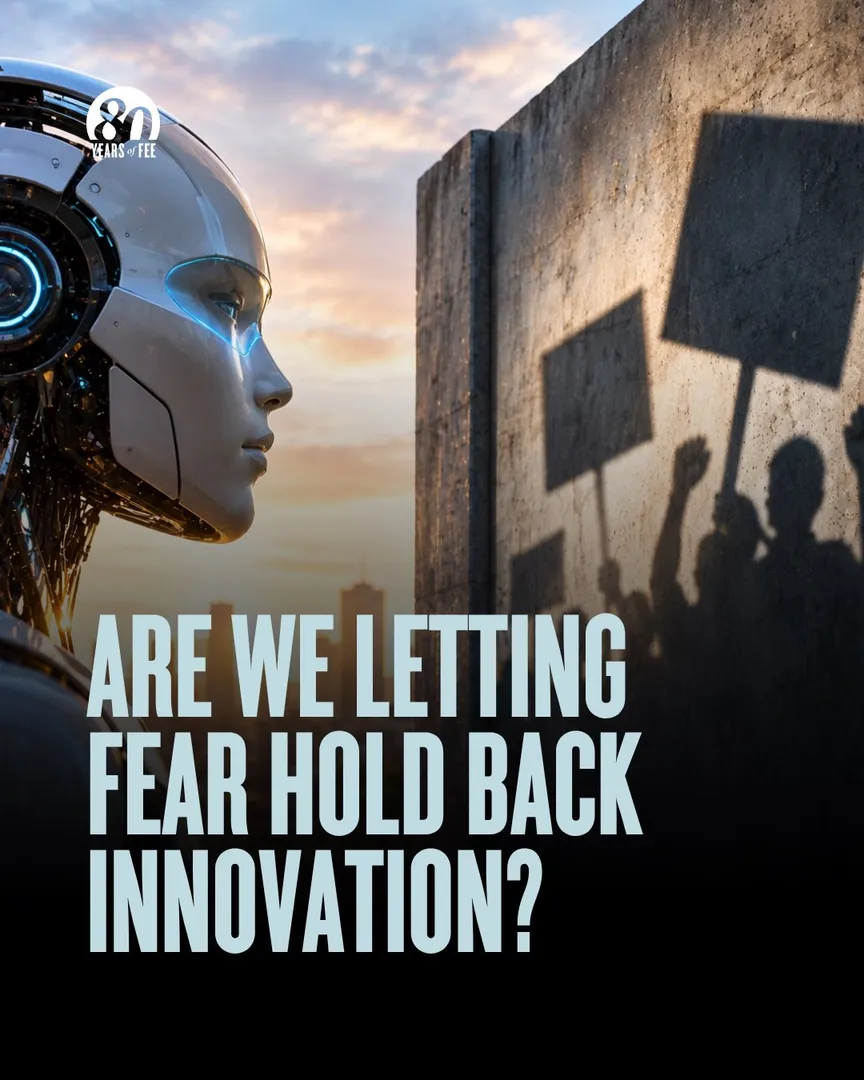
AI may benefit ordinary people more than its critics assume. Comment “Artificial” and we’ll send you an article that explores this further. Wealthy people have always been able to hire assistants, researchers, tutors, chefs, and specialists. AI increasingly gives ordinary people access to capabilities that once required money, connections, or specialized expertise. That does not mean every use of AI is beneficial or every risk is imaginary. But widespread voluntary adoption tells us something important: millions of people believe these tools improve their lives. Milton Friedman, Henry Hazlitt, and Matt Ridley each emphasized a broader lesson about technology: innovation raises living standards by expanding what ordinary people can do. The challenge is to preserve competition and experimentation while addressing concrete harms, rather than freezing a rapidly evolving technology through premature regulation.

More from Foundation for Economic Education

See all
Donate