For organizationsSee membershipFeatured by CollectiveThursday mornings: the organizations we feature and the best of Atlanta’s nonprofits, in one email.
City

Collective

  • Home
  • Stories
  • Discover
  • Explore
  • Events
  • Leaderboard
  • Search

Collections

  • Wildlife and nature
  • Animal shelters and rescues
  • Theater and dance
  • Rivers, parks and trails
  • Hunger and food
  • Schools and learning
  • Housing and homelessness
  • Community health

Account

  • Sign up
  • Sign in

For organizations

Collective learns your work, puts your story in front of the people who should see it, and connects you with the ones who will help you grow.

  • Intros
  • Features
  • A monthly ask
  • First notes

Every Profile stays free, member or not.

See membership
  • Home
  • Stories
  • Discover
  • Explore
  • Events
  • Leaderboard
For organizationsSign inSign up
  • Home
  • Stories
  • Discover
  • Explore
  • Events
  • Leaderboard
HomeStoriesDiscoverEventsSign up

Collective

  • Home
  • Stories
  • Discover
  • Explore
  • Events
  • Leaderboard

Cities

About

  • About Collective
  • For organizations
  • Privacy
  • Terms

© 2026 Collective

High prices are often symptoms of policies that restrict supply and weaken competition. Comment “Expensive” and we’ll se
Foundation for Economic Education

Nov 6

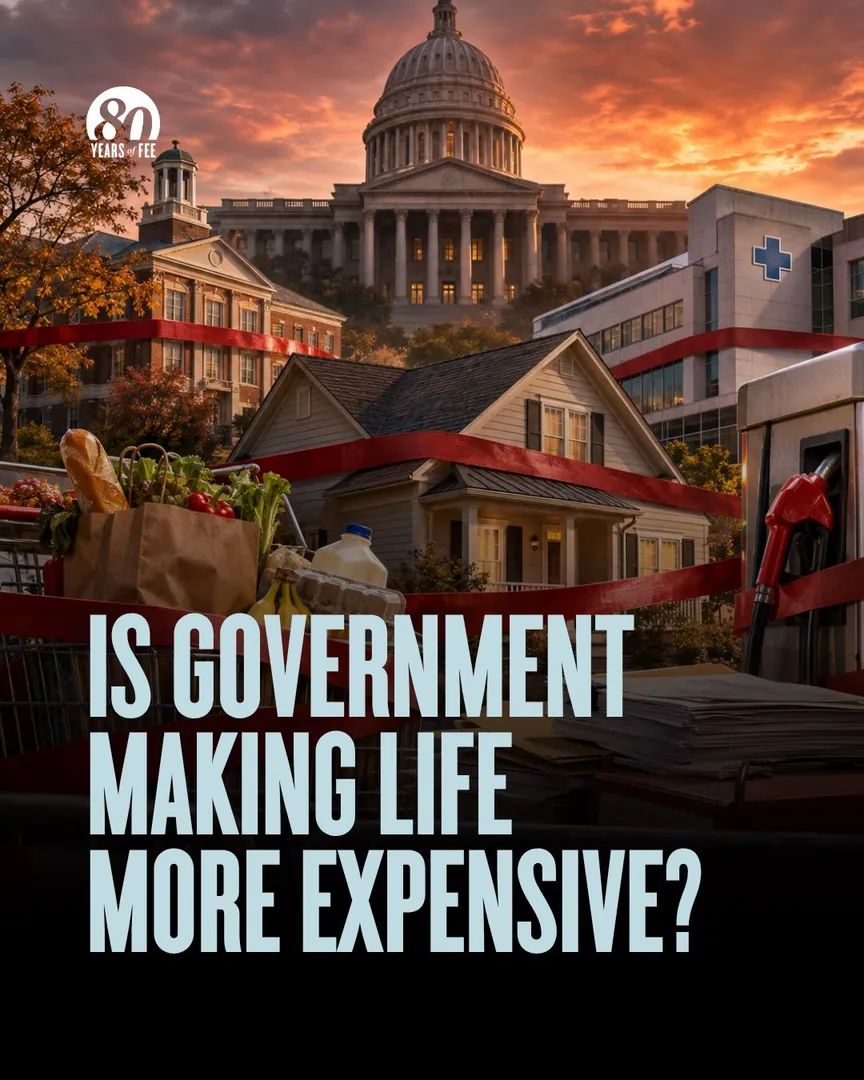
High prices are often symptoms of policies that restrict supply and weaken competition. Comment “Expensive” and we’ll send you an article about the subject. When governments make it harder to build homes, open businesses, or provide services, fewer suppliers can meet consumer demand. The result is higher prices. In Oklahoma, for example, housing prices have risen 55 percent since 2020. Experts argue that faster permitting, smaller lots, and more flexible zoning could expand housing supply and improve affordability. Government spending can also fail to make essential services cheaper. Despite substantial state funding, college costs continue to rise, while Oklahoma’s per-capita healthcare spending increased 220 percent between 2000 and 2024, far faster than personal income. Instead of expanding government intervention, policymakers should remove barriers to entry and let competition increase supply and put downward pressure on prices.

More from Foundation for Economic Education

See all
Donate