



Labor Day often gets touted as the traditional “end of summer.” According to the calendar, fall officially begins with the fall equinox at 8:05 p.m. Sept. 22. In Georgia, however, we know good and well that our summer season extends a good bit longer.
Still, something is going on now. When you walk out in the morning, the air feels just a bit more comfortable. The days are getting shorter, and that is beginning to have an effect. Perhaps it’s just wishful thinking, but if you squint just right, you can almost see the end of our long and brutally hot summer.
Fall in Georgia Means a Garden Revival
The word “fall” commonly conjures up images of harvest, falling leaves, the end of the growing season, and the beginning of dormancy leading into winter.
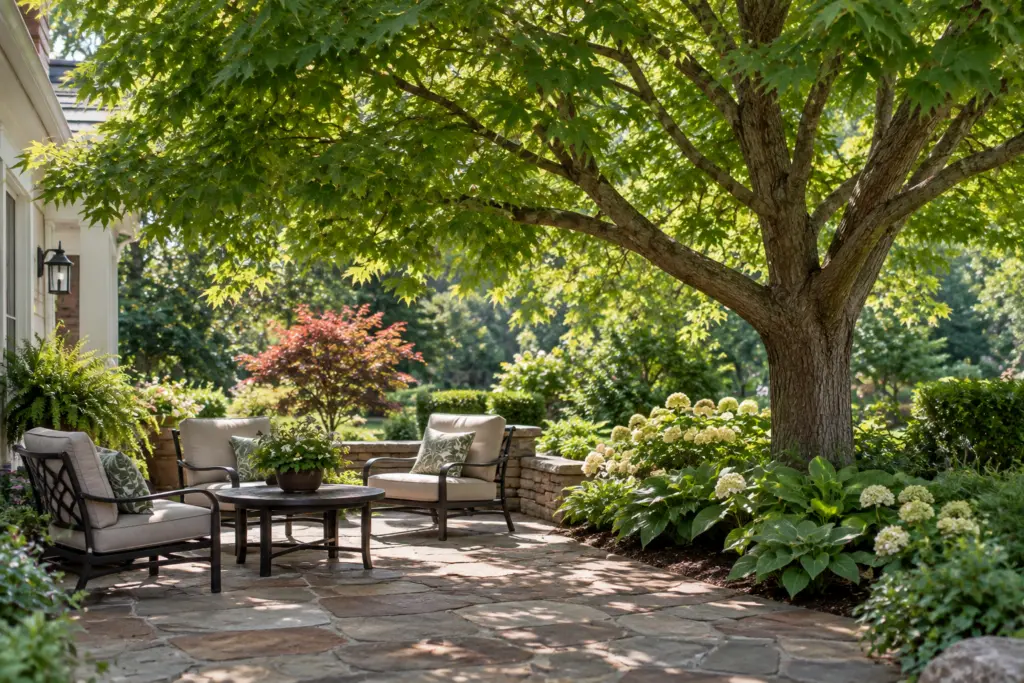
For gardeners in Georgia, however, fall is not a time to wind things down. It’s a time of revival and renewed effort. We finally can get back into our gardens and enjoy ourselves as the debilitating heat of summer starts to lose its grip on the weather.
For the next couple of months, we will experience a gradual shift to milder weather. Cool spells will alternate with decidedly hot, summer-like weather. By late October, however, cooler weather will begin to dominate the scene.
Not until mid- to late November do we generally experience the nippy cold weather and changing leaves that tell us fall has finally arrived.
Give Your Flowers a Second Wind
You might begin to notice more vigor in your warm-season bedding plants in September. Even heat-tolerant flowers do not always look their best in August.
Shorter days mean fewer hours of intense heat. Even when daytime highs stay about the same, plants experience less stress. This encourages a “second wind” in the flower garden that may last well into October or early November.
Given this, consider cutting back some of your summer bedding plants and flowers that have grown tall and leggy over the long growing season. Do this in late August or early September – at the latest. Generally, you should cut plants back about one-third to one-half their height.
While you’re at it, it might be a good idea to impose some order on those overgrown flower beds. In addition to cutting back, groom plantings to remove dead flowers and unattractive foliage.
If plants are leaning or have fallen over onto nearby neighbors, prop them up or stake them so they will stand upright. Just about every year at this time, I find the remains of some unfortunate plant that was overwhelmed when larger, more vigorous nearby plants leaned over it.
Prune Roses in Early September
Roses make vigorous growth during the spring and summer, and an early September pruning of everblooming roses is recommended. This pruning is not as severe as the one done in late winter.
Everblooming roses include popular groups such as hybrid teas, grandifloras, floribundas, miniature roses, teas, polyantha roses, Bourbons, Chinas and English roses, to name a few.
First, remove all diseased, dead or damaged canes, along with the weak canes. Then cut the more vigorous canes of hybrid tea and grandiflora roses back to about 2-3 feet above the ground.
Other types of roses, such as antique and landscape roses, need less severe pruning. Simply prune them enough to shape them the way you desire.
Make your pruning cuts just above a leaf or dormant bud. Also, clean up all leaves and trimmings from the area. Give your roses a light application of fertilizer, following label directions.
Which Roses Should You Leave Alone?
Not all roses should be pruned now. Many old-fashioned climbers, ramblers, Lady Banks roses and some bush roses bloom heavily only in spring to early summer. These roses will bloom next year on the growth they made this summer.
Do not cut these roses back now.
Insects and diseases stay active through the fall, so continue to control rose pest problems with timely applications of the proper pesticides. Don’t forget to water well during dry periods, either. If you do, you should have an excellent crop of flowers in October through November.
Wait to Plant Trees and Shrubs
Even though you can get back into the garden to work, it is still too early to plant hardy trees, shrubs, ground covers and vines in the landscape.
Temperatures in the 80s and 90s likely will be common in September, and that is still too stressful for new plantings. Wait at least until the cooler weather of October.
The ideal planting season for hardy trees, shrubs and ground covers really is from November through February.
Hold Off on Cool-Season Flowers
It also is too early to plant cool-season bedding plants, even though they will begin to show up in area nurseries this month.
Even if you have an area where the flowers finished and have been removed, it is still too hot to plant most cool-season bedding plants. Mulch the area now and wait until the reliably cooler weather of October or November to plant the beds.
Spring-flowering bulbs, such as tulips and daffodils, also become available this month, but there is no hurry to plant them. Purchase them if you like while the selection is good, but plant bulbs into the garden from mid-October through early December.
Enjoy the Return to the Garden
Maybe it’s best to say that Labor Day really marks the time in Georgia when we can anticipate the soon-to-arrive milder weather and look forward to enjoying the delights of gardening over the next few months.
When the fall equinox arrives later this month, don’t get carried away. For us, summer will still be lingering for a while longer.