


 Cary Downtown Farmers Market


224 likes
PART 1: This week’s farm inspection takes us to Ternawtheri Family Farm in Chapel Hill.
A huge part of these inspections is getting to know our farmers more and hear their backstories, and holy moly, the Wei family’s story is not one we can fit into just one post. Zar Ree and Lion Wei grew up in a small village along the Ternawtheri river in Burma. Zar Ree is a 5th generation farmer. Together, they raised fruit, vegetables, and animals on their land and would fill their canoes and paddle to the larger village each day to sell. In 1997, that all changed when civil war found its way to their region of Burma. The conflict forced over 100k Karen people (the ethnic group they belong to) to flee the country. Zar Ree, Lion, and their two oldest daughters were forced to flee their family land and spent two months navigating through thick jungle, hiding in mountain caves, and evading execution squads. They finally arrived in bordering Thailand with only the items they had on their backs. Unfortunately, the mass migration of the Karen people into these bordering regions was a contentious subject in Thailand and made for a very complex life. The international humanitarian aid they received only gave them 8 bamboo poles and a plastic tarp for their housing. The Wei family spent the next 9 years living in a refugee camp in Thailand as stateless and undocumented people. They were unable to obtain ID’s, work legally, or apply for citizenship in the county. Even their three children who were born in the camp were unable to receive Thai citizenship. Lion worked odd jobs for money. He would leave before dawn and come back after dusk so that he could escape the camp without being spotted and turned into authorities (there was a state sponsored system that paid people who turned in refugees). They worked with an NGO who provided a small plot of land near the camp to teach other refugees how to grow food, as well as raise their own so they could survive. After almost a decade of living as stateless refugees, they were finally granted asylum in the US in 2006. Continued in Part 2... This week our farm inspection takes us to @gsmfarm in Louisburg.Jul 30145 likes
 Last week, we made our way down to Revolution Farms is Carthage.Jul 1679 likes
 This week’s farm inspection takes us to the home orchard of Ann Marie & David Thornton…Jul 866 likes
 For the last couple years, our visit to Chappell Peaches has always included long…Jun 24115 likes
 This week’s inspection took us to Celebrity Dairy in Siler City.Jun 1740 likes
 PART 2: The Wei family applied to the US through a refugee resettlement program…Jun 10116 likes
 This week’s farm inspection takes us to @bullcityfarm .Jun 398 likes
 In this week’s Ask A Farmer segment, we’re talking about Lettuce!May 2921 likes
 This week’s inspection takes us to LB’s Farm.May 2790 likes
 Our inspection this week takes us to @goodnessgrovefarm , located in southeast Raleigh.May 20127 likes
 BIG NEWS!!!Aug 26399 likes
 Our friends at @blyesbees emailed us this week with some pretty exciting news.Jul 23397 likes
 Every so often, we’ll be chatting with a customer at the info booth and they will tell us…Aug 5323 likes
 Mark your calendar, cause Peach Daze is back!Jun 16250 likes
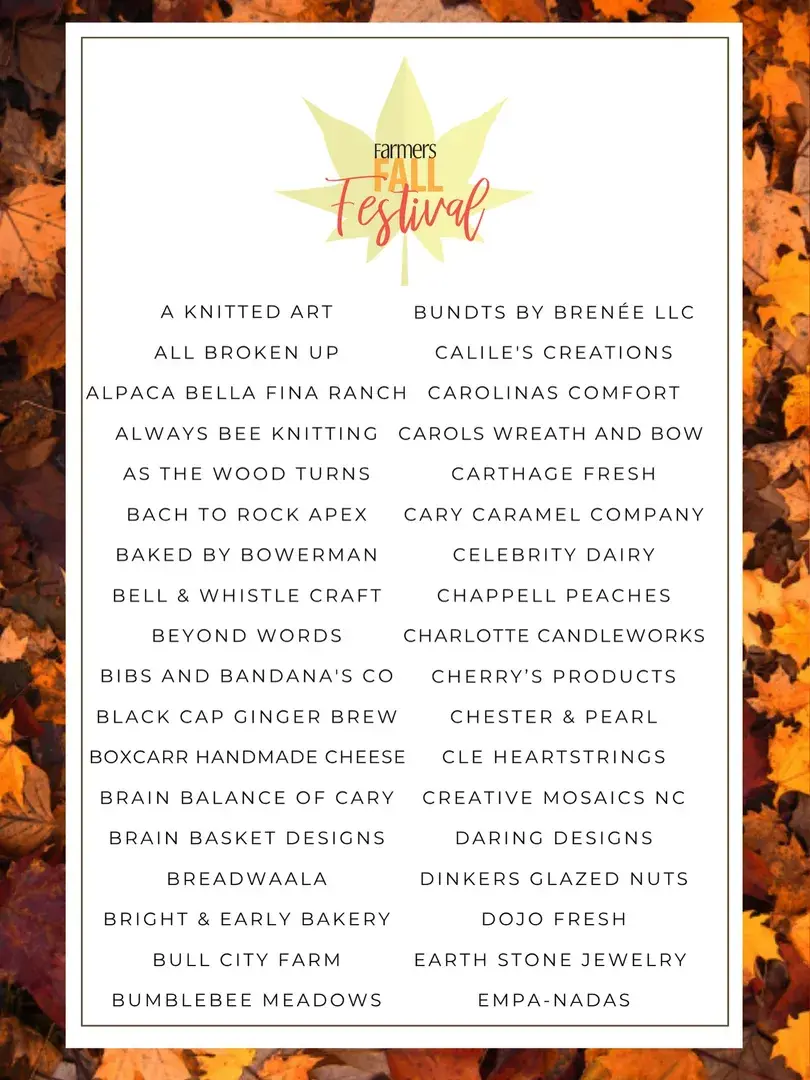 It’s finally here!Sep 18143 likes
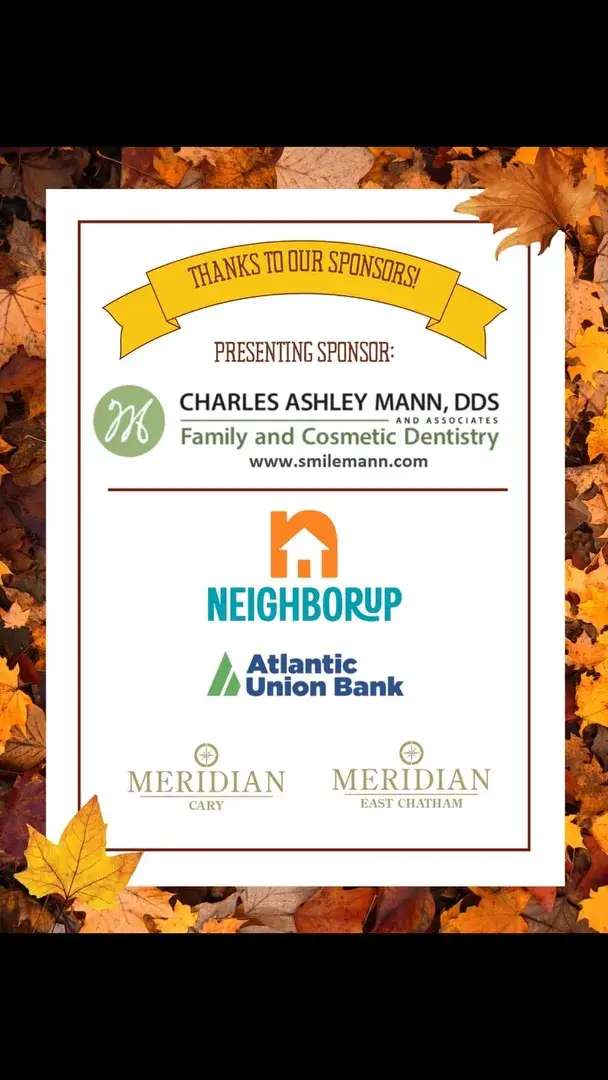 The Farmers Fall Festival isn’t just a fun event…Sep 16124 likes
 This Saturday is our 3rd annual Peach Daze event!Jun 26115 likes
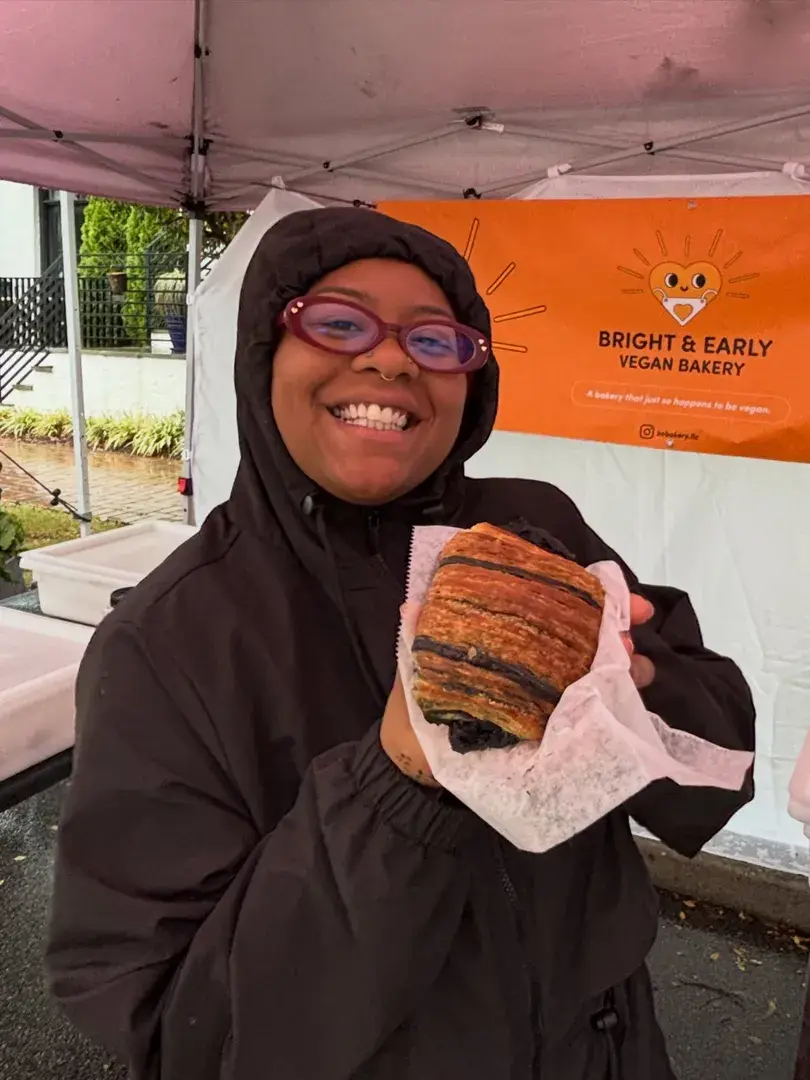 Don’t let the rain scare you away.Oct 17113 likes
 VENDOR APPLICATIONS ARE NOW OPEN!!!May 14110 likes
 On top of over 100 booths of farmers, bakers, and craftsfolk spread throughout the…Sep 2101 likes
 We’ve got a new guest vendor joining the market this week!Jul 295 likes
 It’s almost here!Sep 794 likes