

 Bobby Dodd Institute
7 likes
Asking for support at work shouldn’t feel like confessing something.
About 1 in 3 young adults ages 18 to 25 experienced mental illness in 2024, according to NAMI, so you are far from the only one figuring this out. Swipe for five steps that can help you start the conversation on your own terms. Save this for when you need it, and send it to someone who is about to start a new job. Want help with your next step? BDI’s job and career services are here for you. The link in our bio connects you with our team. If you are struggling right now, you can call or text 988. Which step feels hardest to take? Tell us in the comments. #WorldMentalHealthDay #NDEAM2026 #CelebrateValueAndTalent Eight-slide BDI carousel titled “5 Steps to Ask for Support at Work.” The first slide shows the title over a faded photo of a person working at a desk. The second slide shares that about 1 in 3 young adults ages 18 to 25 experienced mental illness in 2024, according to NAMI, citing SAMHSA, and notes that World Mental Health Day is tomorrow. The five steps are: 1. Start with what helps. Say what would help, such as “I focus best with written instructions,” which is a real request. 2. Pick one person. Start with someone you trust, like a supervisor or HR, and you do not have to tell everyone. 3. Put it in writing. A short email gives you a record and gives your employer time to respond. 4. Ask what is available. Your workplace may already offer support, like a flexible schedule. 5. Support helps you do your best work. Asking for what you need is part of doing the job well, and you are not asking for a favor. The final slide invites readers to visit BDI through the link in bio at bobbydodd.org, and to save the post and send it to someone starting a new job. Why is it important for people with disabilities to have jobs?Oct 3013 likes
 This week, we welcomed our second group of Elevate Academy interns as they began an…Jul 2413 likes
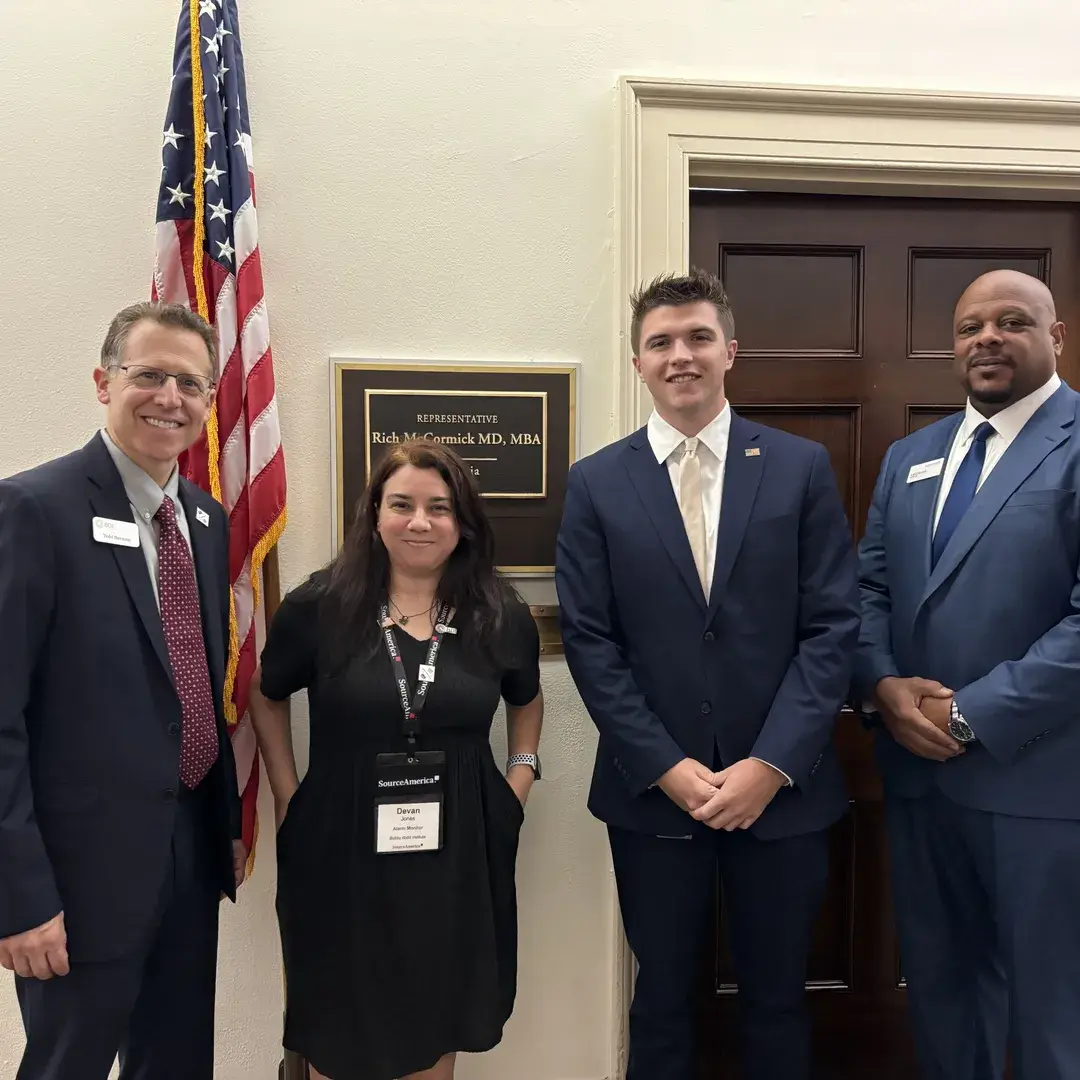 Devan Jones drives 40 minutes to work every day and wouldn't have it any other way.Sep 1611 likes
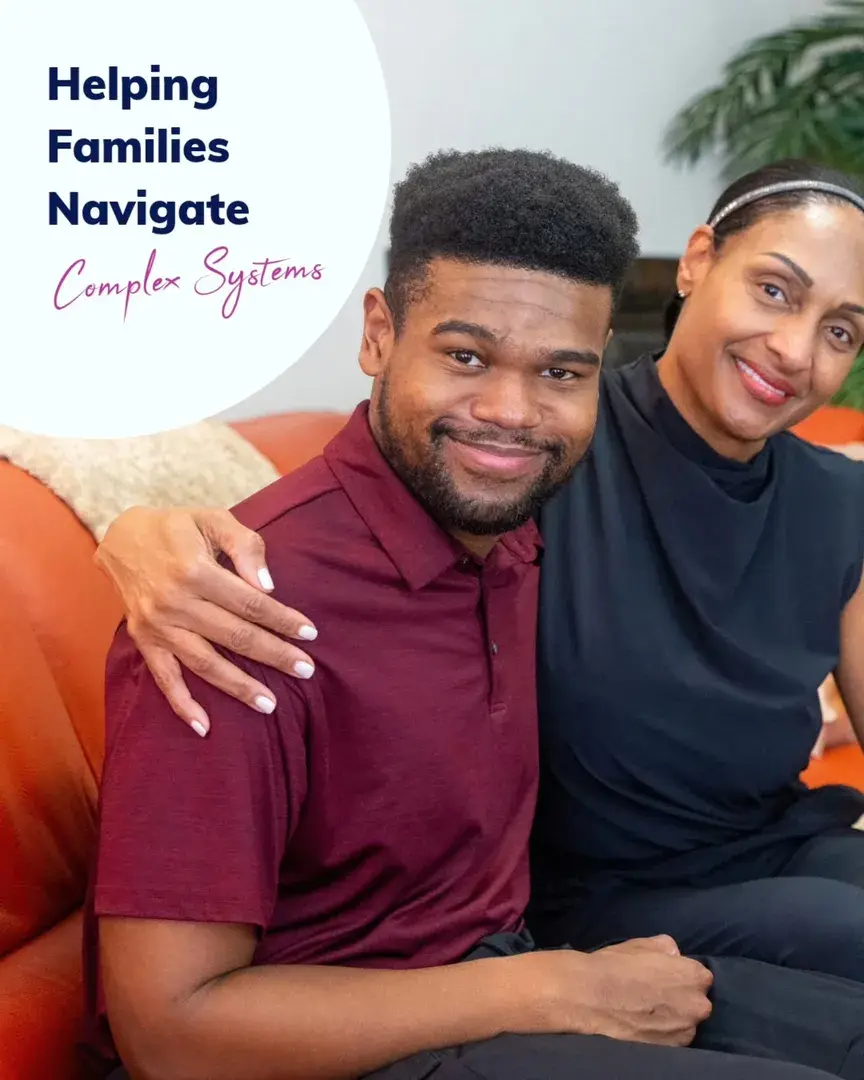 Ten years ago, Kelly heard about BDI and reached out.Oct 199 likes
 A job gives you more than a paycheck.Oct 88 likes
 Having a disability isn’t what keeps most people from working.Sep 78 likes
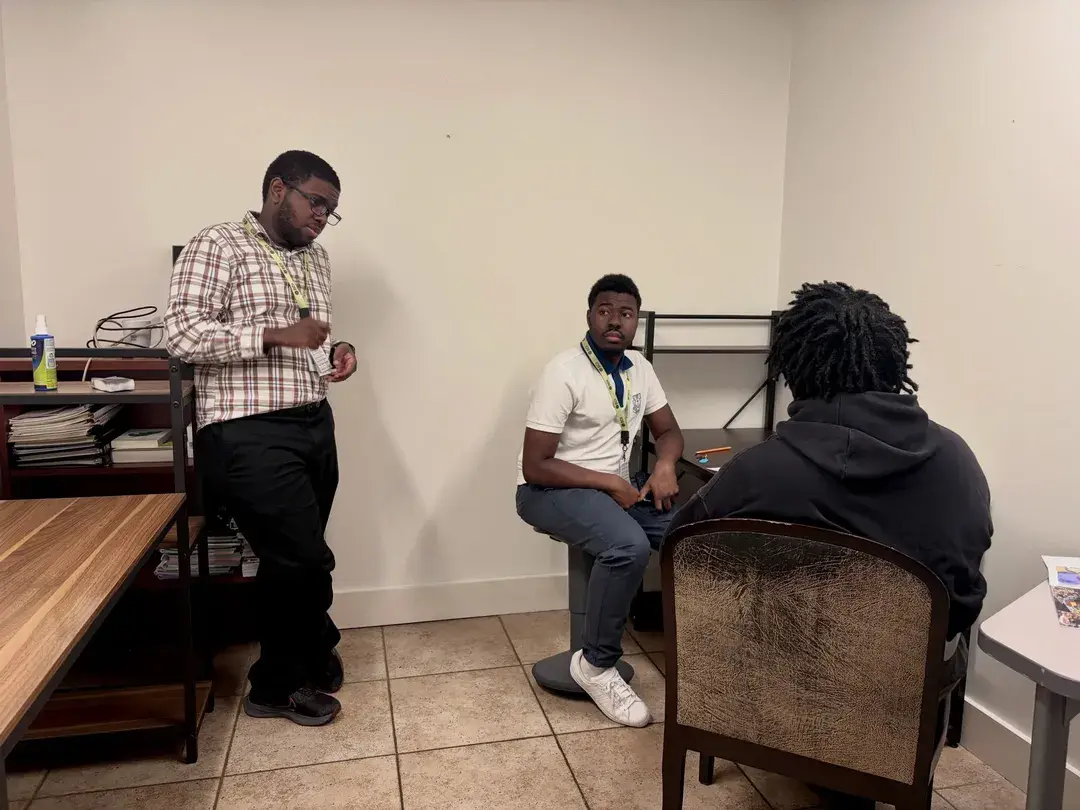 Here’s a little BTS from our Elevate Academy filming day!Aug 228 likes
 Imagine being a child overwhelmed by intrusive thoughts about relationships, language…Jul 308 likes
 We have some exciting news.Jul 308 likes
 Alvin is 73, and his work in our warehouse changes with the project of the week.Oct 297 likes
 Will a job cost me my benefits?Oct 267 likes
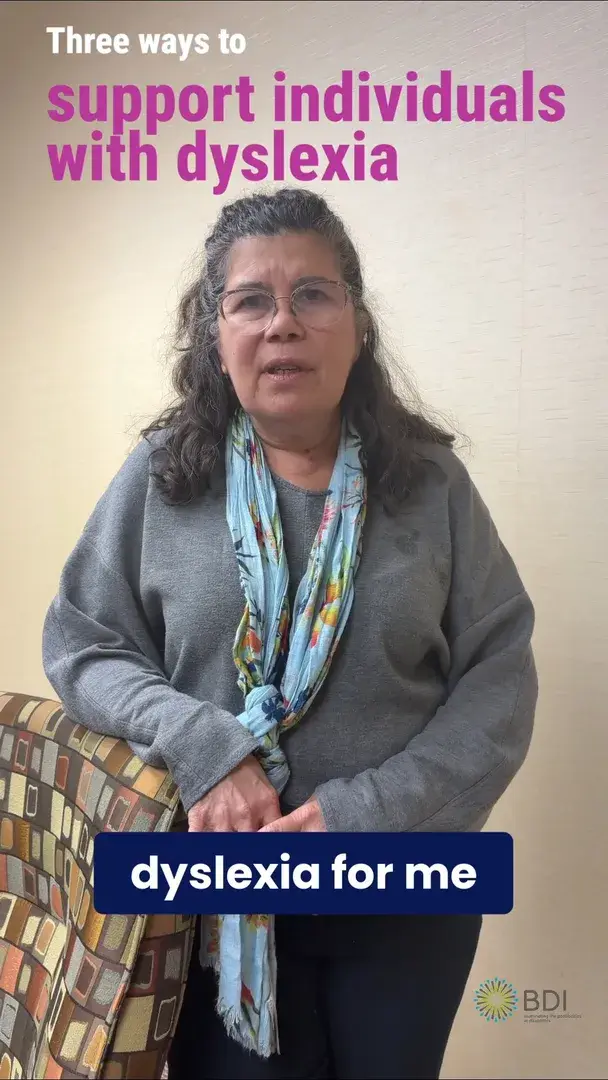 “As an adult, I’ve learned that having dyslexia is not something that should stop me from…Oct 207 likes