


Saber Tiger learned to accept fluids voluntarily at Carolina Tiger Rescue
After months of training at his pace, the team can give him subcutaneous fluids through the habitat fence without anesthesia or transport.
Carolina Tiger Rescue's animal care team uses operant conditioning, with positive reinforcement and small steps, so rescued animals can take part voluntarily in everyday care and veterinary procedures.
After months of working at Saber's pace, Saber Tiger has learned to voluntarily receive subcutaneous fluids through the habitat fence. The sanctuary says this gives the team another way to provide medical care without anesthesia or transport.
Sabean, the sanctuary's Education Assistant and Saber's primary trainer, led the work.
Sources

What you can do
From Carolina Tiger Rescue’s post, turned into news by Collective. Something wrong? Tell us
The social network for social good.
Carolina Tiger Rescue posted, and Collective turned it into this story. Join to get the good news from the organizations around The Triangle, every day.
Sign upFree, and about a minute
More in Wildlife and nature
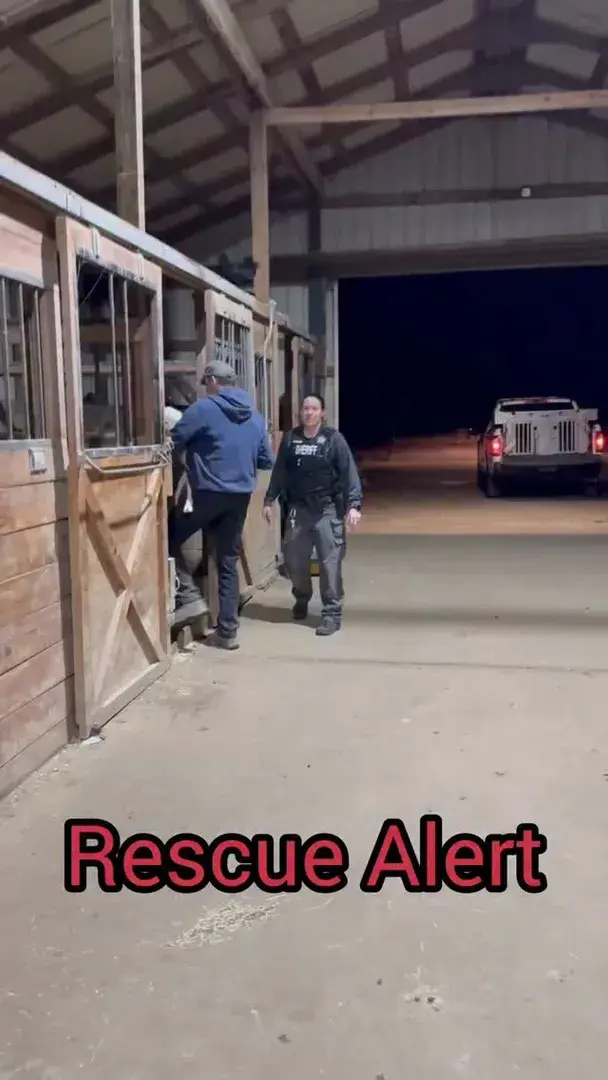
Six Durham deputies caught a sheep after five months loose
Blind Spot Animal Sanctuary says Claire has a home waiting, but state law requires stray farm animals to go through auction.
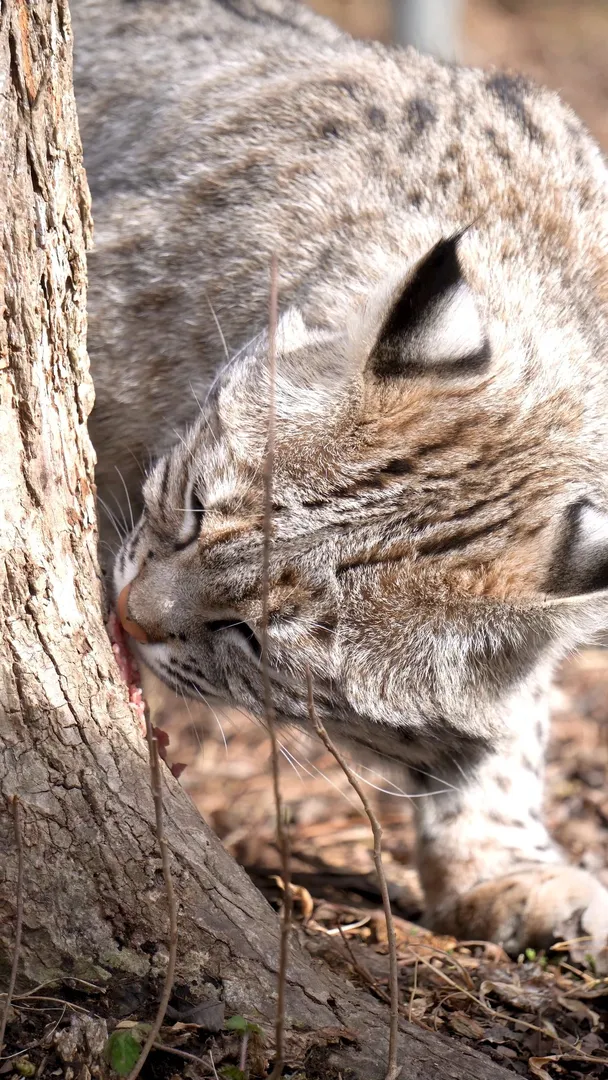
Carolina Tiger Rescue needs dog poop bags to clean bobcat dishes
The sanctuary's wishlist also includes electric testers for heater cords, cleaning tools and a joint supplement for an injured resident.

North Carolina Botanical Garden reopened the renovated Coker Arbor
The 300-foot wooden arbor on UNC's campus now has a sloping walkway in place of the stairs at one end.
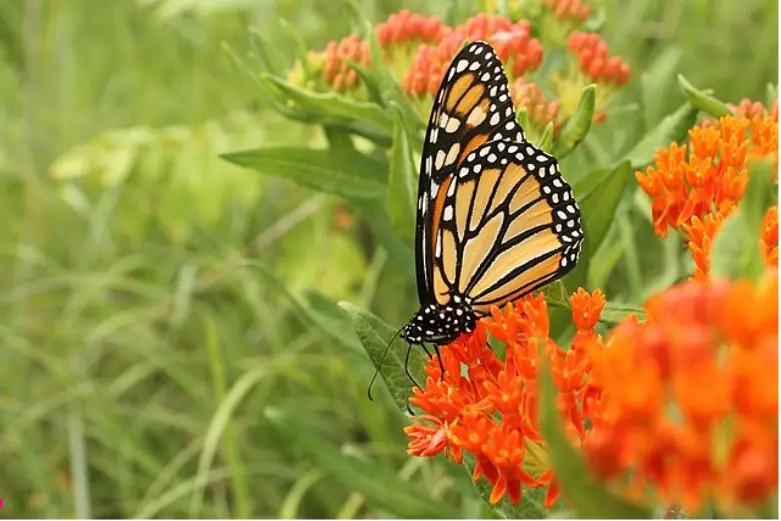
About 16 milkweed species native to North Carolina feed monarchs
North Carolina Wildlife Federation says monarchs rely on milkweed to reproduce and are declining from habitat loss.


