

9 Hands-On Volunteer Opportunities for Shelter Makeovers
Hands on volunteer opportunities can go sideways fast when nobody knows who is moving furniture, who is opening boxes, or which room needs to stay quiet. For shelter leaders and partners, a good volunteer day starts with a real plan, not a pile of eager people at 9 a.m.
The work that matters is specific: paint the wall, carry the dresser, install the shelf, clear the pathway. Volunteers want to help. Give them a job that respects residents, staff, and the space.
Small tasks. Real progress.
What Counts as a Hands-On Volunteer Opportunity in a Shelter Makeover
Hands on volunteer opportunities are the roles where someone physically helps improve the space itself. Not just writing a check. Not just helping from a distance. Real work, on a real project, that changes what a resident sees, uses, and feels when they walk into a room.
In shelter makeovers, that work can happen in bedrooms, common areas, intake spaces, hallways, kitchens, or outside. The scope changes, but the basic idea doesn’t. Volunteers help carry a project from plan to usable space.
Most room makeover volunteer roles fall into a few categories:
- painting
- logistics and transport
- furniture handling
- installation help
- basic build work
Some of these jobs are beginner friendly. Some are better for people who are organized, physically strong, comfortable with a drill, or able to follow a design plan without improvising. That last part matters more than people think. Shelters don’t need volunteer energy in the abstract. They need calm, useful help.
For shelter and crisis center leaders, the best shelter project volunteer jobs reduce staff burden instead of adding to it. We’ve all seen the other version. Too many people, unclear instructions, supplies in the wrong room, one staff member answering twenty questions. Good intentions can still create chaos.
A trauma-informed lens helps sort this out fast. In a thoughtful makeover, volunteer labor should support privacy, order, function, and a sense of calm. Decoration for its own sake usually isn’t the point. A pretty room that feels exposed, noisy, or hard to use has missed the job.
That’s why role mapping matters. If you’re planning focused Room Makeovers or larger Full Shelter Renovations, it helps to match volunteers to the right phase of work before anyone arrives.
The best volunteer role is the one that moves the room forward without pulling staff backward.
1. Painting volunteer opportunity
Painting is the entry point most people recognize, and for good reason. It’s one of the most accessible hands on volunteer opportunities in shelter makeovers. You don’t need advanced construction skills to make a tired room feel cleaner, lighter, and more cared for by the end of the day.
It works especially well for individual volunteers, small groups, and corporate teams that want visible progress in a short window. By the second afternoon, a room can look entirely different. That kind of momentum helps.
Still, painting only goes smoothly when the project lead has done the quiet prep work first. Volunteers need clear color direction, defined room assignments, surface prep, taped edges, and a plan for where materials go when the shift ends. Otherwise, “easy” work gets messy fast.
A few realities worth saying out loud:
- painting is broad-coverage work, not creative freelancing
- neutral, calming colors usually matter more than personal taste
- prep and cleanup often take longer than volunteers expect
- one strong room lead can save hours
Painting also answers the question of how volunteers support shelter makeovers in the most concrete way possible. Labor changes the feel of a space quickly. Dark, worn, scuffed walls carry a message. Fresh walls do too.
Later on this list, mural work shows a different kind of painting role. Standard painting is about consistency and coverage. Murals are more design-led and much less forgiving.
2. Driving volunteer role for Changing Spaces shelter makeovers
Not every valuable role happens inside the shelter. Driving is one of those shelter makeover volunteer opportunities people overlook until something doesn’t arrive and the whole schedule slips.
This role handles route-based project needs. A volunteer may transport supplies, deliver small furnishings, or move materials between storage, donation pickup points, and the shelter. It’s hands-on work, just not always on-site.
That makes it a strong fit for people who want to volunteer at a shelter makeover but can’t spend a full day lifting, painting, or doing install work. A reliable driver with a clear route can be more useful than three extra people standing around a room waiting for the right items to show up.
Driving is broader than furniture pickup, which comes later. Pickup work is tied more directly to collecting specific pieces. Driving can include that, but it may also cover paint runs, last-minute hardware, or moving supplies between phases of the project.
For organizers, a dedicated driver can free up the on-site team to stay focused. That sounds basic because it is basic. But shelter projects often stall on basic things.
If you’re assigning this role, spell out the details:
- what needs to move
- when it has to arrive
- who signs off at each stop
- whether lifting is part of the job
- what happens if a pickup falls through
People think logistics is secondary until they run a makeover day. Then they learn the truth. The room can’t be finished with furniture still sitting across town.
3. Changing Spaces — Moving furniture volunteer activity
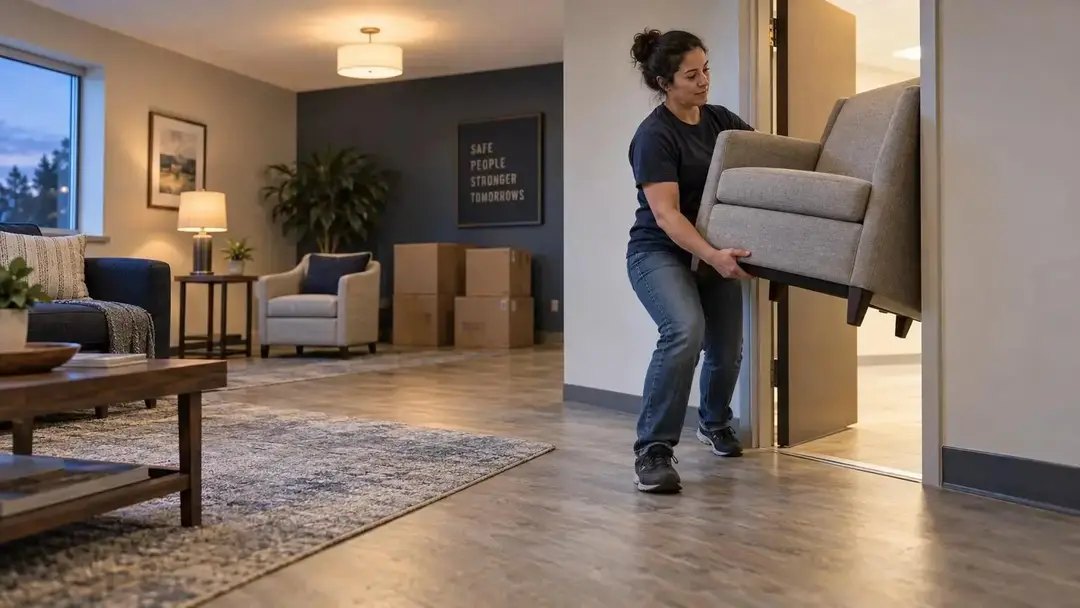
Moving furniture is one of the clearest examples of practical volunteer labor. It isn’t glamorous. It is often sweaty, repetitive, and absolutely necessary.
This role helps with room resets, delivery days, and common area updates where heavy pieces need to be moved safely and placed correctly. It works best for volunteers who are comfortable with physical work and willing to follow direction instead of guessing where something should go.
That last part matters. In shelter spaces, layout affects privacy, traffic flow, and whether a room feels settled or crowded. A dresser six inches off can be annoying in a house. In a small shelter bedroom, it can block a path or make the room feel tighter than it already is.
Compared with furniture assembly, moving furniture deals with finished pieces already on-site or newly delivered. The work is more about placement and pace than instructions and hardware.
This role becomes especially useful when a shelter is refreshing multiple rooms at once. A few strong volunteers can keep pieces moving from room to room while the design or install team handles final setup.
Some operators make the same mistake here: they treat furniture moving like brute force work. It isn’t. It needs a floor plan, labels, and someone calling the sequence. Otherwise volunteers spend half the day moving the same item twice.
4. Changing Spaces furniture pickup volunteering
Furniture pickup is narrower than general driving, and that makes it easier to assign well. The job is simple on paper: retrieve the furniture the makeover depends on and get it into the project pipeline before install begins.
In real life, it takes reliability. A pickup volunteer may be dealing with timing windows, donor coordination, vehicle capacity, loading help, and the occasional surprise that the “small table” is not small at all.
This role suits volunteers who are organized and dependable, even if they can’t stay for the full makeover day. It gives them a clear contribution with a clear finish line. The item arrives. The room can move forward.
Here’s where furniture pickup differs from the driving role. Both are logistical, but pickup work is tied to sourcing and transporting specific pieces the project already needs. It’s less “run whatever is missing” and more “go get the exact nightstand, dresser, or chair on today’s list.”
That precision matters most when the project depends on donated or off-site furniture. If key pieces don’t make it in on time, the install team ends up styling around gaps, and that usually creates more work later.
Vague goodwill doesn’t finish rooms. The right piece in the right place does.
For shelter leaders, this is one of the easiest room makeover volunteer roles to define ahead of time. Give the volunteer the item list, dimensions, addresses, contact names, and a backup plan. Suddenly a fuzzy offer to “help however needed” becomes real support.
5. Changing Spaces — Help with install
Install help is where many makeovers finally start to look like finished spaces instead of active job sites. It’s also where timing gets tight.
This role can include placing furniture, helping position decor, carrying in final items, making beds, organizing surfaces, or supporting setup under a project lead’s direction. Volunteers don’t need to be designers or contractors. They do need to follow the plan.
Compared with painting or furniture moving, install work usually happens later. Walls are done. Large pieces are mostly in. Now the room has to come together in a way that feels usable, not just complete.
That’s why this is one of the most flexible room makeover volunteer roles. Different skill levels can fit here if the lead has a strong checklist and a clear sense of what “done” means in each room.
A good install team can help with tasks like:
- placing furnishings where residents can use them easily
- setting up bedding and soft goods
- organizing children’s items, school supplies, or toiletries
- checking that pathways, storage, and privacy features still work
This is the phase where function, aesthetics, and time pressure all meet. Extra hands can be the difference between a half-finished room and one that feels ready when a family arrives that evening.
We’ve learned not to confuse activity with progress. Install goes well when there are fewer opinions and better instructions.
6. Painting murals at A New Leaf shelter in Apache Junction, Arizona
Mural painting expands the idea of painting into something more customized. In Apache Junction, volunteers worked on murals as part of a wider shelter improvement project across the property. That tells you something useful right away: not all painting roles are about flat wall coverage.
Mural work is better for volunteers or teams who can follow a creative concept, a design direction, or a lead artist’s plan. It asks for more restraint than people expect. The goal isn’t self-expression at any cost. The goal is to support the environment the shelter is trying to create.
Compared with standard painting, mural work is more expressive and more visible. It becomes a focal point. That makes planning more sensitive too.
Before a shelter says yes to murals, someone should answer a few plain questions:
- does the theme fit the population being served?
- is the location calm or overstimulating?
- who approves the design before paint touches the wall?
- does it work with the rest of the environment?
This example matters because it broadens what shelter makeover volunteer opportunities can look like. Volunteers aren’t limited to maintenance-style tasks. In the right setting, they can help shape identity and warmth too. But mural work needs more guardrails than a lot of people realize.
7. Assembling furniture — A New Leaf shelter, Apache Junction, Arizona
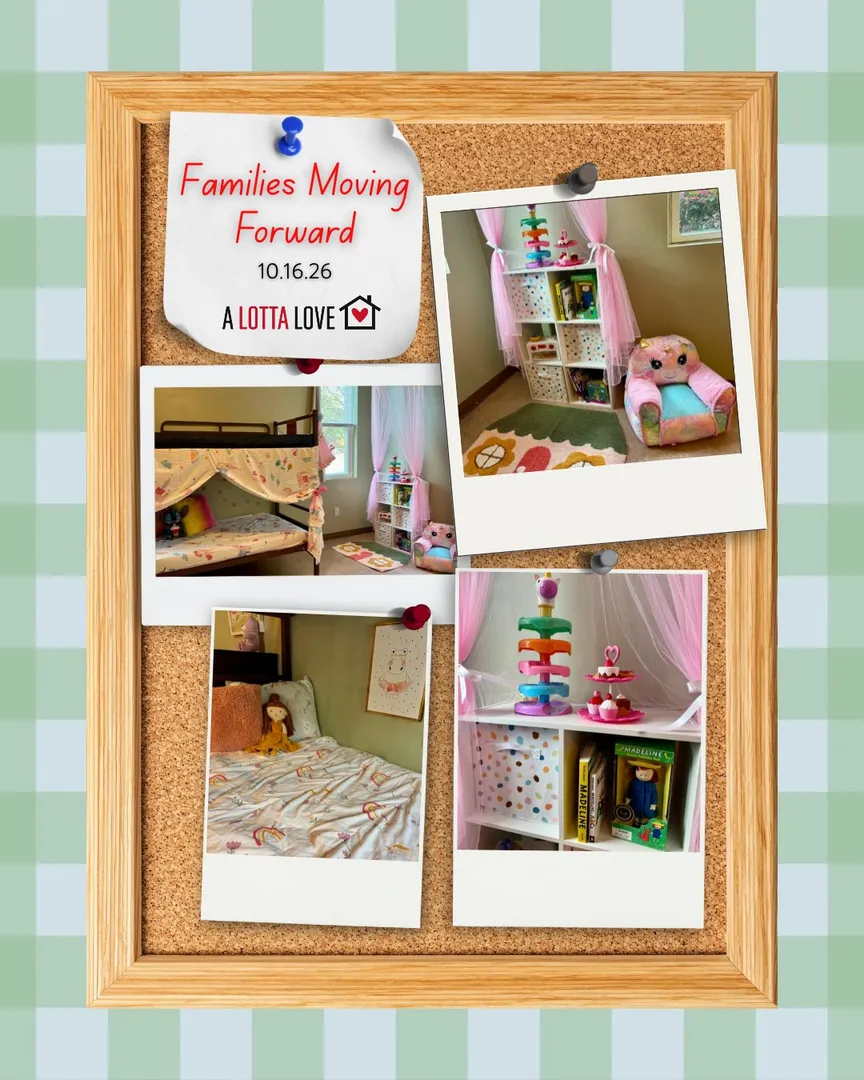
Furniture assembly is one of the clearest ways volunteers support shelter makeovers room by room. In Apache Junction, volunteers handled this work as part of the same broader shelter revamp. That’s typical. New furnishings show up in boxes, and someone has to turn them into usable pieces on a deadline.
This role is best for detail-oriented volunteers who can read instructions, keep track of hardware, and stay patient when piece number seven looks suspiciously like piece number eight. Accuracy matters. A wobbly nightstand isn’t a minor issue if it’s going into a room someone will rely on immediately.
Compared with moving furniture, assembly creates the usable item from packaged components. Moving furniture places a finished item where it belongs. They sound adjacent because they are, but they require different rhythms and different volunteers.
For shelter leaders, furniture assembly is one of the more scalable shelter project volunteer jobs. Several people can work at once on separate pieces if the space is organized and the tools are ready. The catch is supervision. Without a clear staging area and someone checking progress, boxes and parts can spread everywhere.
Simple rule: keep the hardware with the item, not in a communal pile. People laugh at that until twenty identical screws hit the floor.
8. Installing outdoor seating at the A New Leaf shelter in Apache Junction, Arizona
Shelter makeover volunteer opportunities don’t stop at the front door. In Apache Junction, volunteers also installed outdoor seating as part of the property-wide work. That matters because exterior spaces often shape a resident’s first impression before they ever see a bedroom.
This kind of role fits projects where entry areas, courtyards, or simple respite spaces are part of the experience the shelter wants to improve. Outdoor seating isn’t just “extra.” In many shelters, outside space is where people wait, breathe, talk privately, or sit with a child for a few minutes when the building feels full.
Compared with indoor furniture work, this shifts the focus from outfitting a room to making shared exterior space more usable. Different materials, different placement issues, different weather considerations.
A few practical checks belong here:
- will the seating hold up to frequent use?
- is the placement visible enough for safety but private enough for comfort?
- does installation interfere with traffic at the entrance?
- who maintains it after volunteers leave?
This is a good reminder for organizations thinking beyond one room. If you want the environment to feel more intentional from the moment someone arrives, outside work may deserve more attention than it usually gets.
9. Building chests of drawers at Launch Housing’s Women’s Services site in East St Kilda, Australia
This example pushes the list into more build-focused territory. Volunteers built five new chests of drawers for client rooms at a women’s services site in East St Kilda. That’s a specific output, and that specificity is part of why it stands out.
Unlike general setup roles, this kind of project produces a counted, functional piece of furniture that can be placed and used right away. Five drawers units. Five rooms improved. You can feel the difference between that and a vague promise to “help however needed.”
This role is best for skilled volunteer teams, workplace groups, or partners who are comfortable with measured build work. Compared with furniture assembly, building drawer units is more fabrication-oriented. It asks for more confidence with tools and more tolerance for precision.
It also helps readers think bigger about room makeover volunteer roles. Shelter projects don’t have to stop at transport, painting, and staging. If the right team is involved, simple build projects can fill very real furnishing gaps.
The caution is obvious but worth saying. Don’t force a build job into a volunteer day just because it sounds impressive. If the tools, supervision, or skill level aren’t there, choose the simpler task. Useful beats ambitious every time.
How to Structure Volunteer Work So It Supports the Shelter, Not Just the Project
A volunteer day can look productive and still create extra work for the shelter. That’s the part people don’t always see. If the goal is to help the shelter, not just complete a visible project, structure comes first.
Start by defining the project goal before recruiting anyone. Are you refreshing three bedrooms? Reworking a playroom? Completing a common area? Once that is clear, group roles by phase so people know exactly where they fit.
A simple structure often looks like this:
- Prepprep
- Transporttransport
- Furniturefurniture handling
- Build workassembly or build work
- Installationinstallation
- Finishingfinishing touches
A trauma-informed approach should shape every one of those phases. That means thinking about noise, privacy, layout, color, and how to reduce disruption for residents and staff. It also means being honest about boundaries. Some areas should stay staff-led. Some spaces aren’t appropriate for public-facing volunteer traffic at all.
For donors and nonprofit partners, the best question isn’t “How can we get a big group in for a day?” It’s “What does the shelter actually need most right now?” Sometimes that’s labor. Sometimes it’s furnishings. Sometimes the room needs a better plan before it needs more hands.
That’s where our trauma-informed design framework can help. We use it to decide where volunteer energy belongs and where more formal planning or renovation support is the smarter move. If the need is limited to resident bedrooms, Room Makeovers may be the right scale. If the work touches common areas, staff flow, or multiple environments across the facility, Full Shelter Renovations usually make more sense, with volunteers used in targeted ways.
Good volunteer planning is respectful. It protects residents, respects staff time, and keeps the work tied to dignity instead of spectacle.
Conclusion
Hands on volunteer opportunities in shelter makeovers cover more ground than most people assume. Painting, driving, moving furniture, pickup runs, install help, mural work, furniture assembly, outdoor seating, and simple build projects all have a place when the work is clearly defined.
If you’re trying to volunteer at a shelter makeover, the useful role isn’t always the flashy one. Sometimes the person who gets the dresser there on time has done more for the room than anyone with a paintbrush.
The best volunteer support is specific, guided, and tied to the real needs of the people who will live, work, and recover in that space. Start there. Then ask what kind of hands-on help would move the project forward with the most care and the least disruption. That is where good intentions turn into actual support.
First published on alottalove.org