
For organizationsSee membershipFeatured by CollectiveThursday mornings: the organizations we feature and the best of Atlanta’s nonprofits, in one email.
City

Collective

  • Home
  • Stories
  • Discover
  • Explore
  • Events
  • Leaderboard
  • Search

Collections

  • Wildlife and nature
  • Animal shelters and rescues
  • Theater and dance
  • Parks and green space
  • Hunger and food
  • Schools and learning
  • Housing and homelessness
  • Community health

Account

  • Sign up
  • Sign in

Help

  • Help center
  • What’s new
  • Contact us
  • Privacy
  • Terms

For organizations

Collective learns your work, puts your story in front of the people who should see it, and connects you with the people who will help you grow.

  • Intros
  • Features
  • A monthly ask
  • First notes

Every Profile stays free, member or not.

See membership
  • Home
  • Stories
  • Discover
  • Explore
  • Events
  • Leaderboard
For organizationsSign inSign up
  • Home
  • Stories
  • Discover
  • Explore
  • Events
  • Leaderboard
HomeStoriesDiscoverEventsSign up

Collective

  • Home
  • Stories
  • Discover
  • Explore
  • Events
  • Leaderboard

Cities

About

  • About Collective
  • For organizations

Help

  • Help center
  • What’s new
  • Contact us
  • Privacy
  • Terms

© 2026 Collective

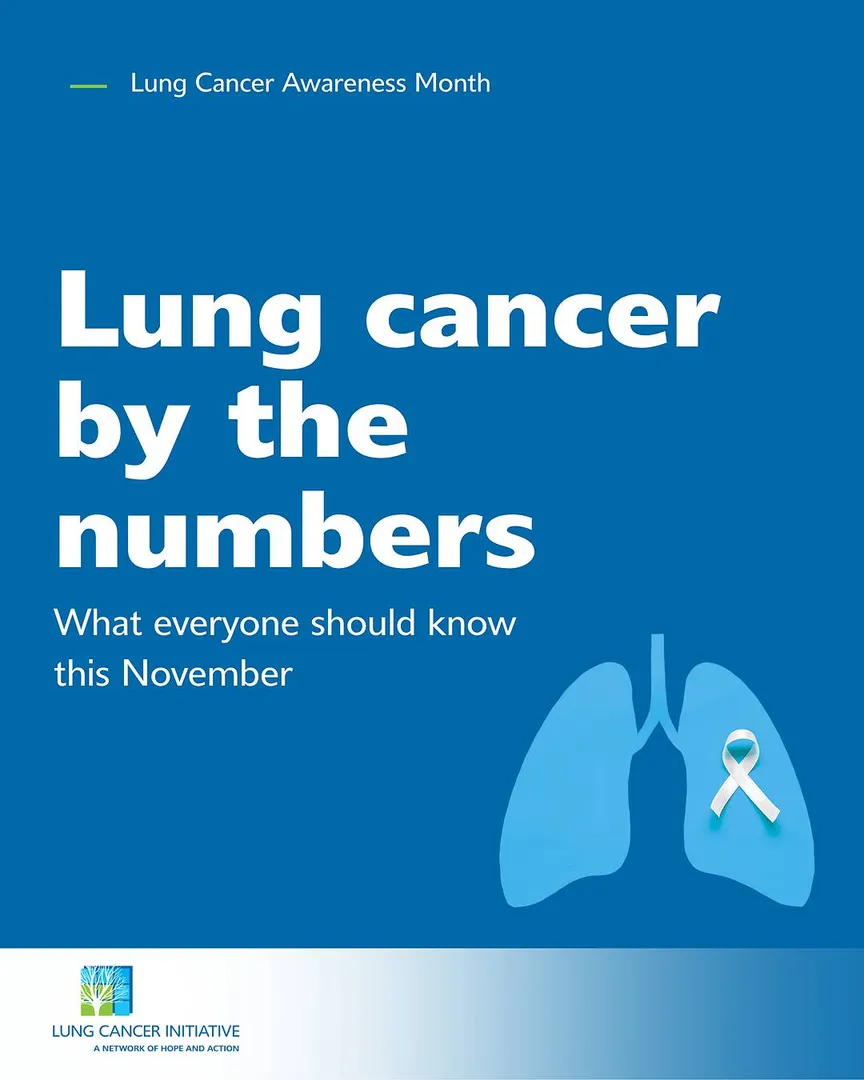
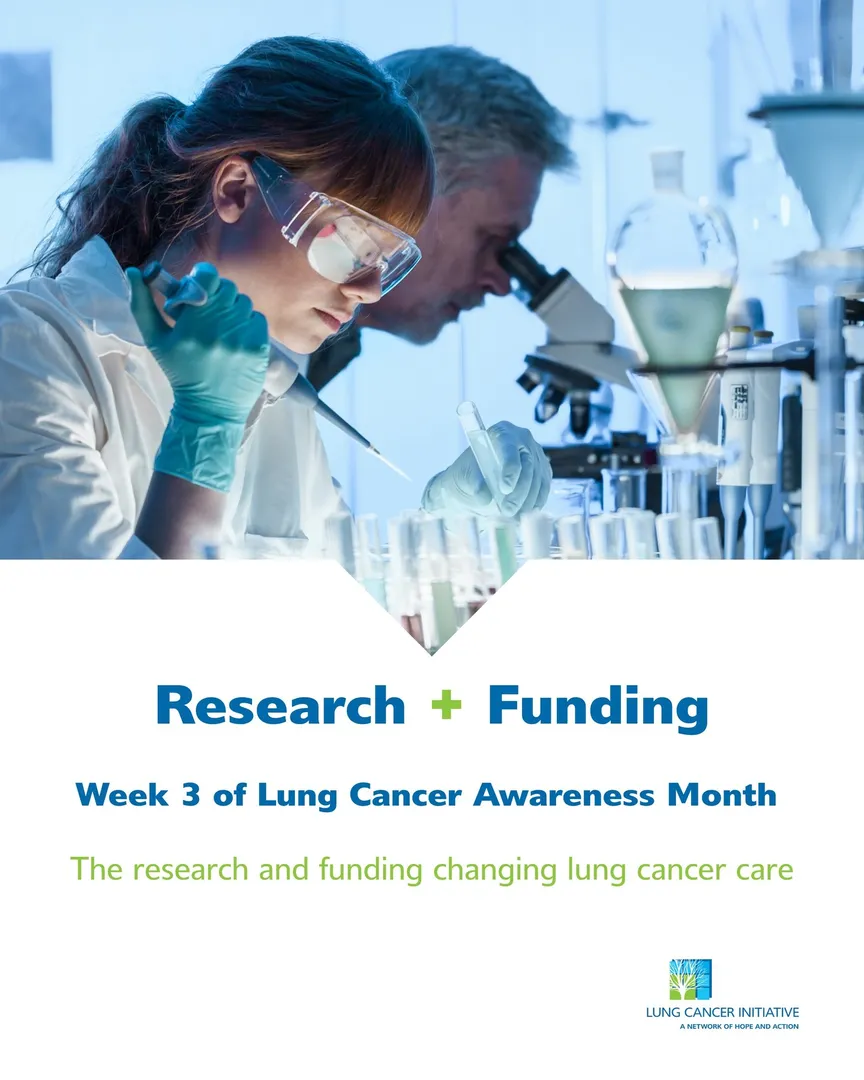
This week, we’re focusing on lung cancer research and funding, and it’s also National Hospice and Palliative Care Month.
Lung Cancer Initiative

Nov 18

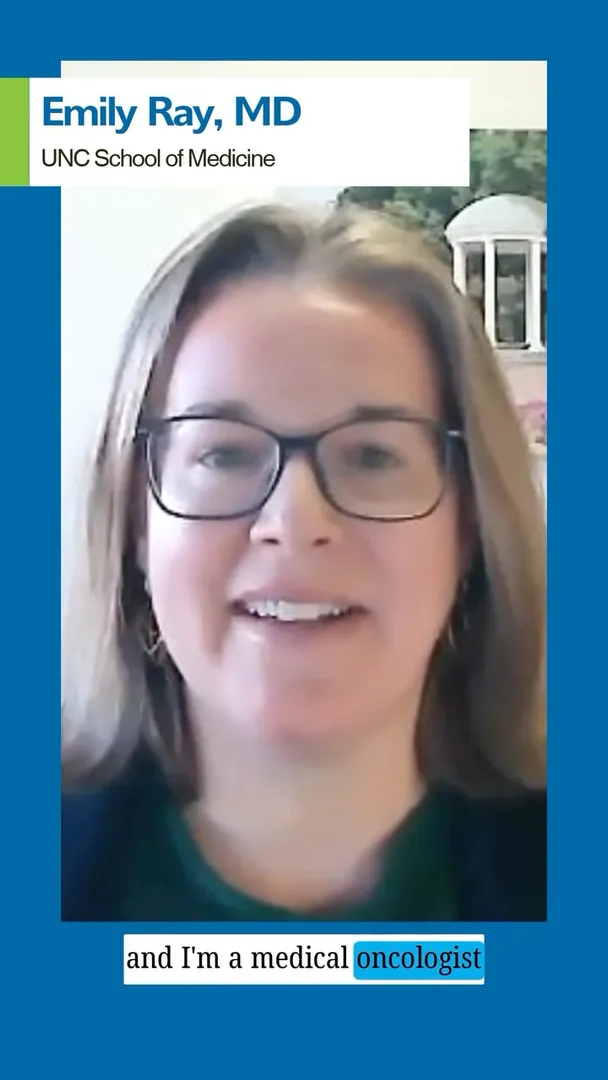
This week, we’re focusing on lung cancer research and funding, and it’s also National Hospice and Palliative Care Month. In this video, we’re joined by one of our past Research Fellows and Career Development Grant recipients, Dr. Emily Ray of UNC School of Medicine, as she shares her work in palliative care research. So what is palliative care? It’s specialized medical care focused on improving quality of life for people living with a serious illness like lung cancer. It can begin at diagnosis and continue right alongside treatment such as chemotherapy, radiation, immunotherapy or surgery. While hospice offers comfort and support when treatment is no longer the goal, palliative care is available at any stage. You don’t have to stop treatment to receive it. A palliative care team works with your oncologist to help manage symptoms like pain, shortness of breath, fatigue and nausea, while also supporting emotional wellbeing, communication and decision-making for patients and their loved ones. This month, we honor the care teams who bring comfort and dignity to people and families every day. Research like Dr. Ray’s helps us bring this support to more people, earlier, so that everyone living with lung cancer can live as well as possible, every step of the way. #LungCancerResearch #PalliativeCare #LungCancerAwareness #LCAM
More from Lung Cancer Initiative

See all
Donate