


 Together with Families
Intensive Care Coordination
Ongoing support for families facing more than one challenge at once.
Parents and relatives experiencing a crisis of poverty that could lead to child welfare involvement or foster care, including families facing more than one chal
From together-families.org/emergency-support ↗About this program
Eligible families may enroll in Intensive Care Coordination, our most intensive level of support.
Each enrolled family works with one consistent Together with Families team member. Together they build a family-led stability plan with clear, measurable goals. The family decides the goals, priorities and next steps. We help them get there.
Intensive Care Coordination serves two groups of families. Family Preservation: keeping children safely with their parents. Kinship Preservation: keeping children safely with their relatives.
When a child is already in foster care, Together with Families may provide Intensive Care Coordination to help resolve poverty-related barriers affecting the child's return home. Reunification referrals are accepted only from the Georgia Division of Family and Children Services, a guardian ad litem, or an attorney involved in the child welfare case. Families cannot self-refer for reunification support, and strict eligibility requirements apply. Limited space available.
Questions
Who is eligible for Intensive Care Coordination?
Eligible families may enroll in Intensive Care Coordination, our most intensive level of support.
What may Intensive Care Coordination include?
Weekly coaching and check-ins; Help getting and keeping stable housing; Basic-needs support; Transportation support; Help finding and using community resources; Advocacy with schools, courts, child welfare and other systems; Coordination among everyone involved in the family's stability; Flexible financial assistance tied to the family's stability plan, when appropriate and funding is available; Regular review of goals and progress
Who can refer a family for reunification support?
Reunification referrals are accepted only from: The Georgia Division of Family and Children Services; A guardian ad litem, the court-appointed advocate for the child; An attorney involved in the child welfare case. Families cannot self-refer for reunification support, and strict eligibility requirements apply. Limited space available.
Does Together with Families decide whether a child returns home?
Together with Families does not decide whether or when a child returns home. Those decisions belong to the court and child welfare authorities. Our role is to resolve poverty-related barriers so that when a child can come home, poverty does not stand in the way.
Details
- Who
- Parents and relatives experiencing a crisis of poverty that could lead to child welfare involvement or foster care, including families facing more than one chal
Run by
 Emergency SupportRapid support that helps prevent foster care caused by poverty.
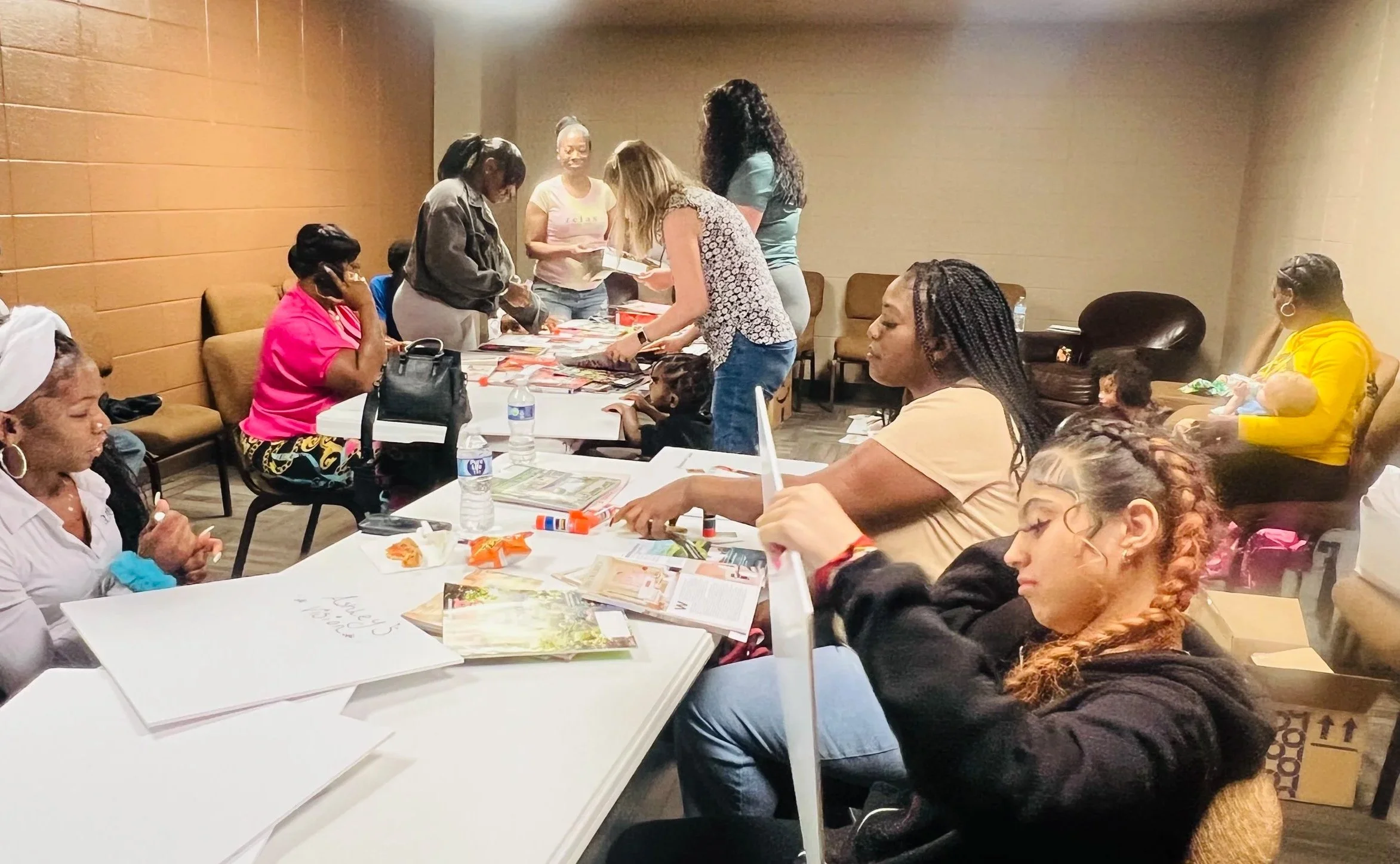 Community HealingTrusted relationships, practical support, and family leadership so families are not alone.
 KinRiseKinRise is a youth leadership and wellness program for teens living with relatives and in kinship care across Cobb County.