

 The Carter Center
Guinea Worm Disease Eradication Program
Guinea worm disease is poised to become the second human disease in history to be eradicated…
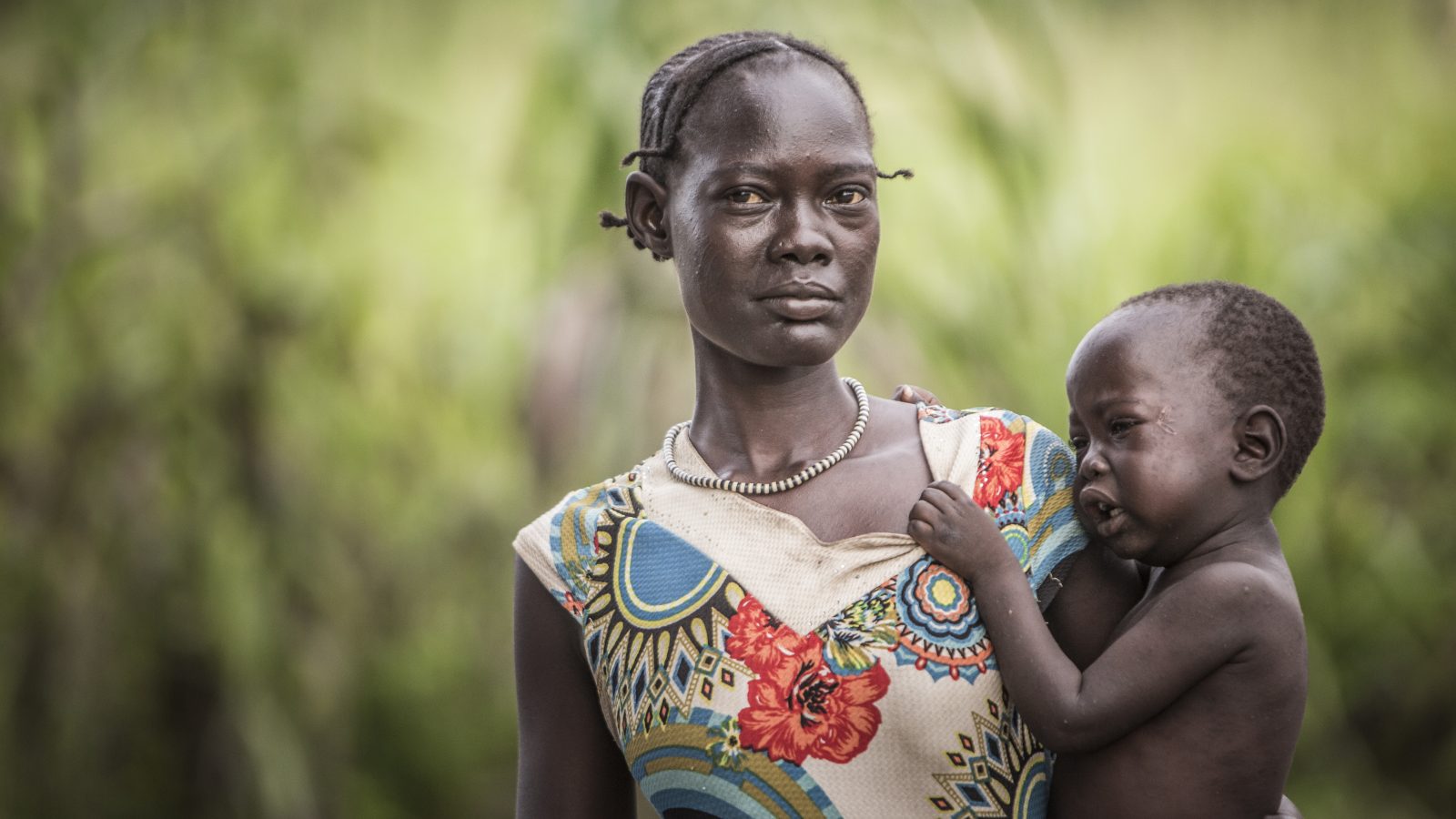
People in affected countries at risk of Guinea worm disease, including the world's most marginalized and neglected people
From cartercenter.org/programs/guinea-worm ↗About this program
, following smallpox, and the first conquered without the use of vaccines or medicine.
For nearly 40 years, we have led the international campaign to eradicate Guinea worm disease, working closely with ministries of health and our partners.
Guinea worm disease, or dracunculiasis, is contracted when people consume water from stagnant sources contaminated with Guinea worm larvae. The parasite's incubation period is long. That means anyone affected is not aware until about a year after infection, when the adult female Guinea worm – measuring up to 3 feet long – creates a painful blister, often on the leg or foot, and slowly emerges over the course of weeks.
There is no medicine to treat or vaccine to prevent Guinea worm disease. But the eradication program's success proves that through strong partnerships, effective education to change behavior, and community-based interventions, we can stop this devastating disease.
When our work began in 1986, Guinea worm disease afflicted an estimated 3.5 million people every year in 21 countries in Africa and Asia. Today, thanks to the commitment of The Carter Center and our partners, including the governments of affected countries, Guinea worm disease incidence has been reduced by more than 99.99% — to 10* human cases in 2025.
The Carter Center leads the international Guinea worm eradication campaign, compiles and distributes case numbers, and provides critical technical and financial support to national programs to interrupt disease transmission and bring cases to zero. When transmission is interrupted, the Center provides continued assistance in developing or strengthening surveillance in Guinea worm-free areas and preparing countries for official certification.
Questions
Is there medicine or a vaccine for Guinea worm disease?
There is no medicine to treat or vaccine to prevent Guinea worm disease.
How is Guinea worm disease contracted?
Guinea worm disease, or dracunculiasis, is contracted when people consume water from stagnant sources contaminated with Guinea worm larvae.
Which countries is the program working to eliminate Guinea worm in?
Our sights are trained on eliminating Guinea worm in six African countries: Angola, Cameroon, Chad, Ethiopia, Mali, and South Sudan.
Who certifies countries as Guinea worm-free?
The World Health Organization is responsible for certifying countries as Guinea worm-free and is the only organization that can officially certify the eradication of a disease.
How many human cases were reported in 2025?
Number of human cases reported worldwide between Jan. 1 – Dec. 31, 2025: 10.
Details
- Who
- People in affected countries at risk of Guinea worm disease, including the world's most marginalized and neglected people
- Where
- Angola, Cameroon, Chad, Ethiopia, Mali, and South Sudan