

 Special Operators Transition Foundation
11 likes
One of the biggest mistakes I see people make when it comes to networking is waiting until they need something to start building relationships.
In the Special Operations community, relationships are everything. You spend years building trust, working alongside people, and developing connections that often last a lifetime. Those relationships are built through shared experiences, mutual respect, and a willingness to help each other succeed. But somewhere along the way, especially when transitioning into the civilian workforce, networking can start to feel transactional. We see this regularly at the Special Operators Transition Foundation. Fellows sometimes come into the program thinking networking means reaching out to someone, sending a resume, and hoping it leads to a job opportunity. While that may occasionally work, it's not how you build a strong professional network. Networking is about building genuine relationships. It's taking the time to learn about someone's career, asking good questions, finding ways to provide value in return, and staying connected even when there isn't an immediate opportunity on the table. And this doesn't just apply to veterans transitioning out of the military. Whether you're a business leader, entrepreneur, or someone who's been in the same industry for 20 years, the principle is the same. People are much more willing to help someone they know and trust than someone who only reaches out when they need something. One thing I regularly remind our Fellows is that the people they meet during their transition shouldn't disappear once they've landed a job. Those relationships can turn into lifelong friendships, mentorships, partnerships, and opportunities you never anticipated. Your network isn't something you should start building when you need a job or a favor. Take the meeting, make the introduction, check in occasionally, and be willing to help without expecting anything in return. The strongest networks aren't built around what people can do for you. They're built around the relationships you take the time to develop. Gareth Gorman Director of Programs SOTF Alum Retired Green Beret The SOTF Team is excited to announce that Careese Collier-Price has successfully…Aug 18348 likes
 The SOTF Team is excited to announce that Mac Ferguson has successfully transitioned to…Aug 11137 likes
 The SOTF Team is excited to announce that Alec Rashidi has successfully transitioned into…Sep 183 likes
 The SOTF Team is excited to announce that Clark Chen has successfully transitioned to the…Sep 867 likes
 A week and a half later, and we’re still talking about this night in Nashville.Aug 2659 likes
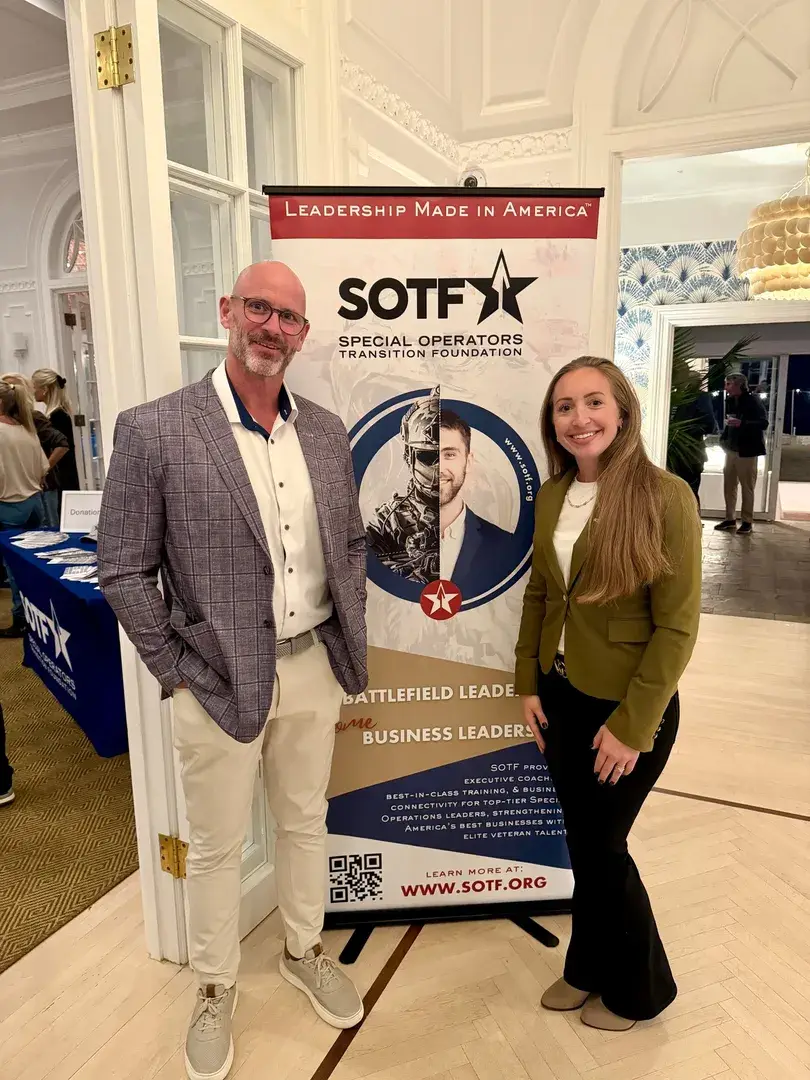 Over the past week, I've been fortunate to witness SOTF bring people together in Chicago…Oct 956 likes
 The SOTF Team is excited to announce that Michelle Gottschalk has successfully…Aug 2547 likes
 Listen to Understand The most influential leaders I've served with had one thing in…Aug 2146 likes
 Another successful SOTF workshop in Washington, DC!Sep 1041 likes
 Twenty-five years later, we remember.Sep 1139 likes
 The SOTF team is excited to announce that Jeff Cobb has successfully transitioned into an…Aug 437 likes
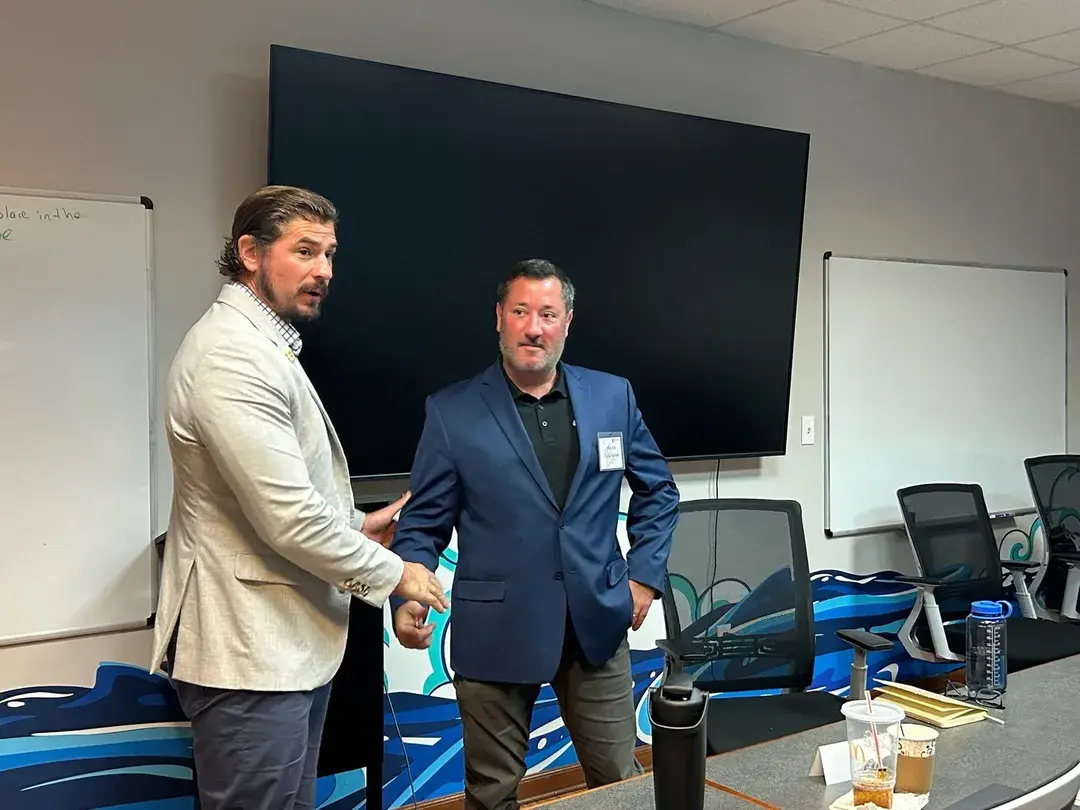 Earlier this month, SOTF held our first workshop in Virginia Beach!Sep 2136 likes