

 Preservation NC
121 likes
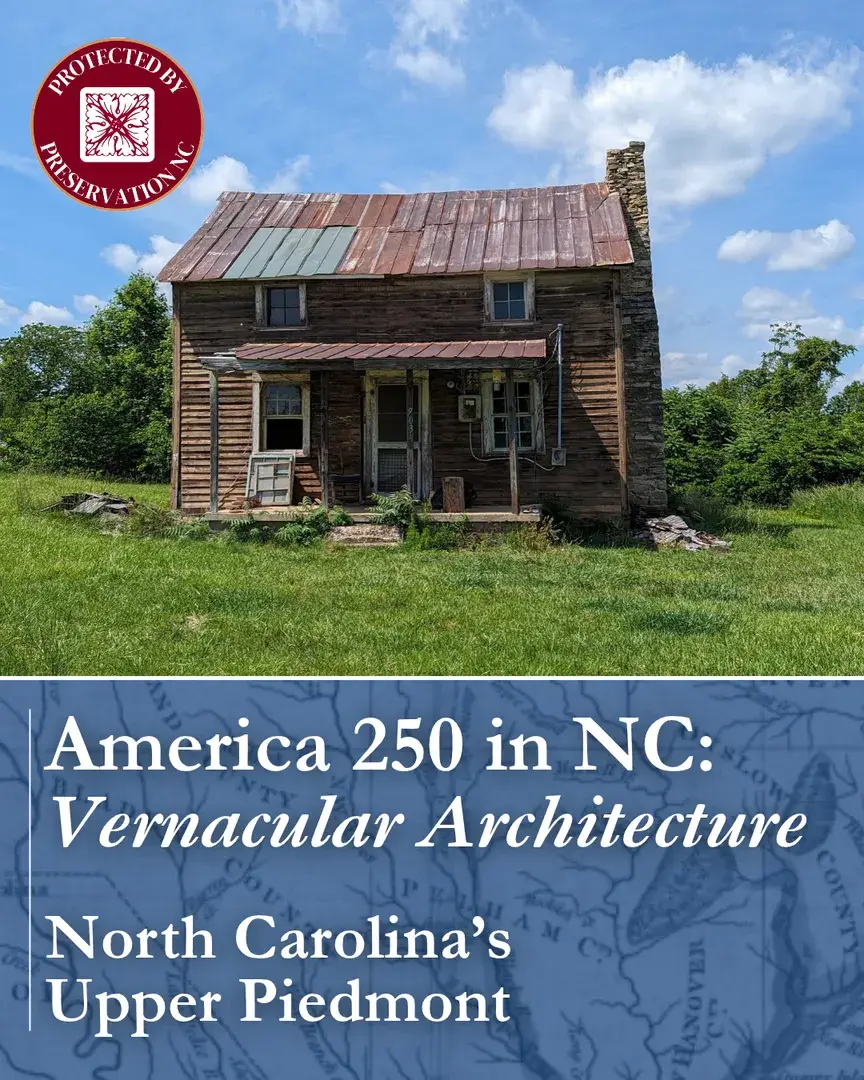
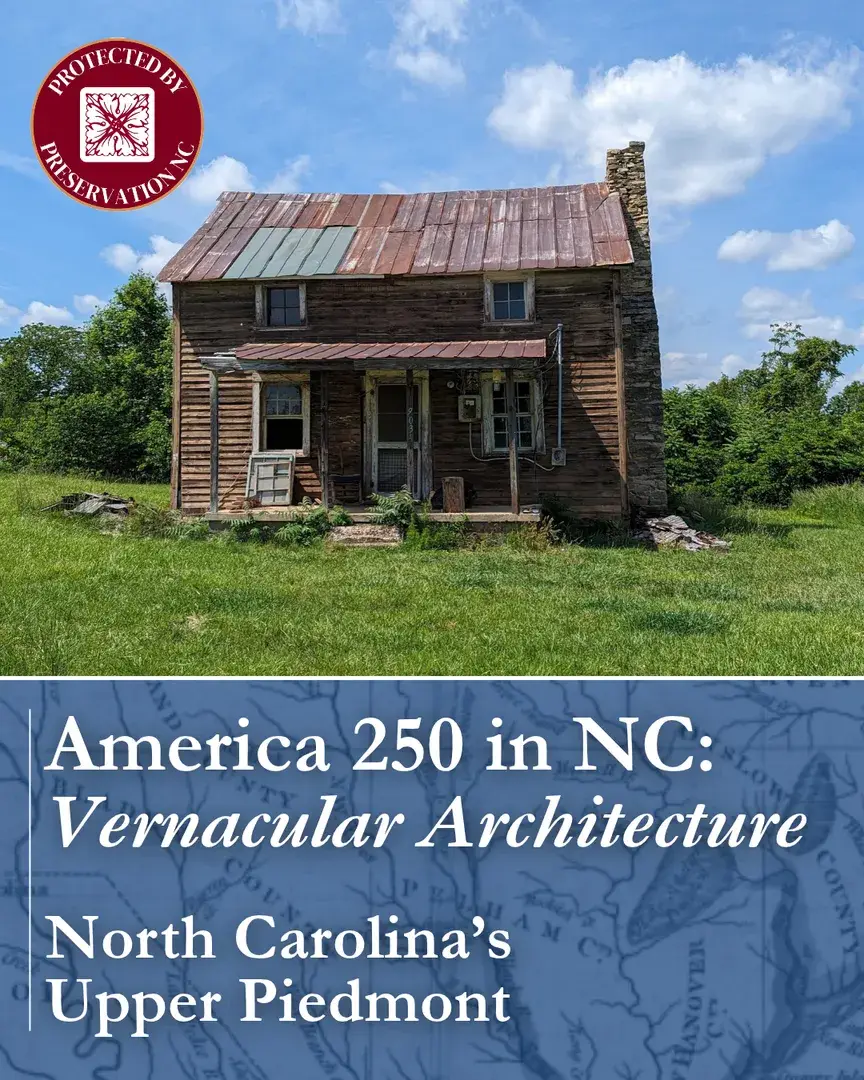
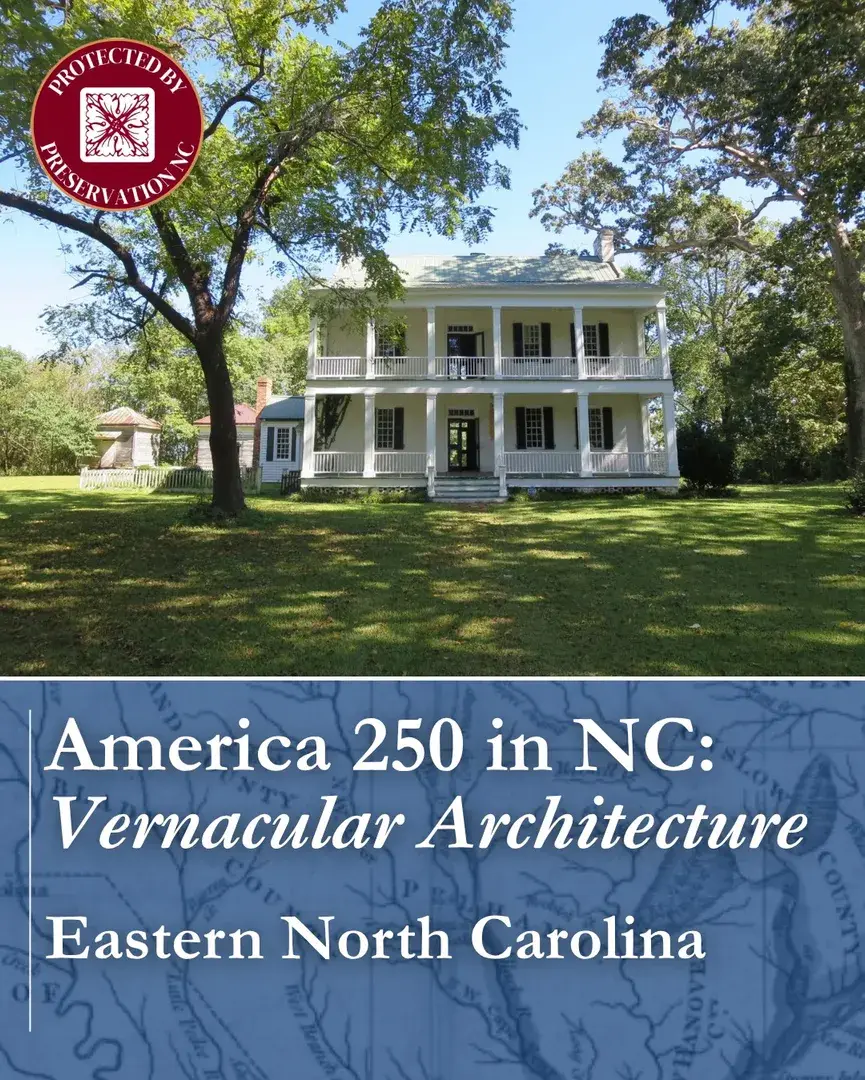
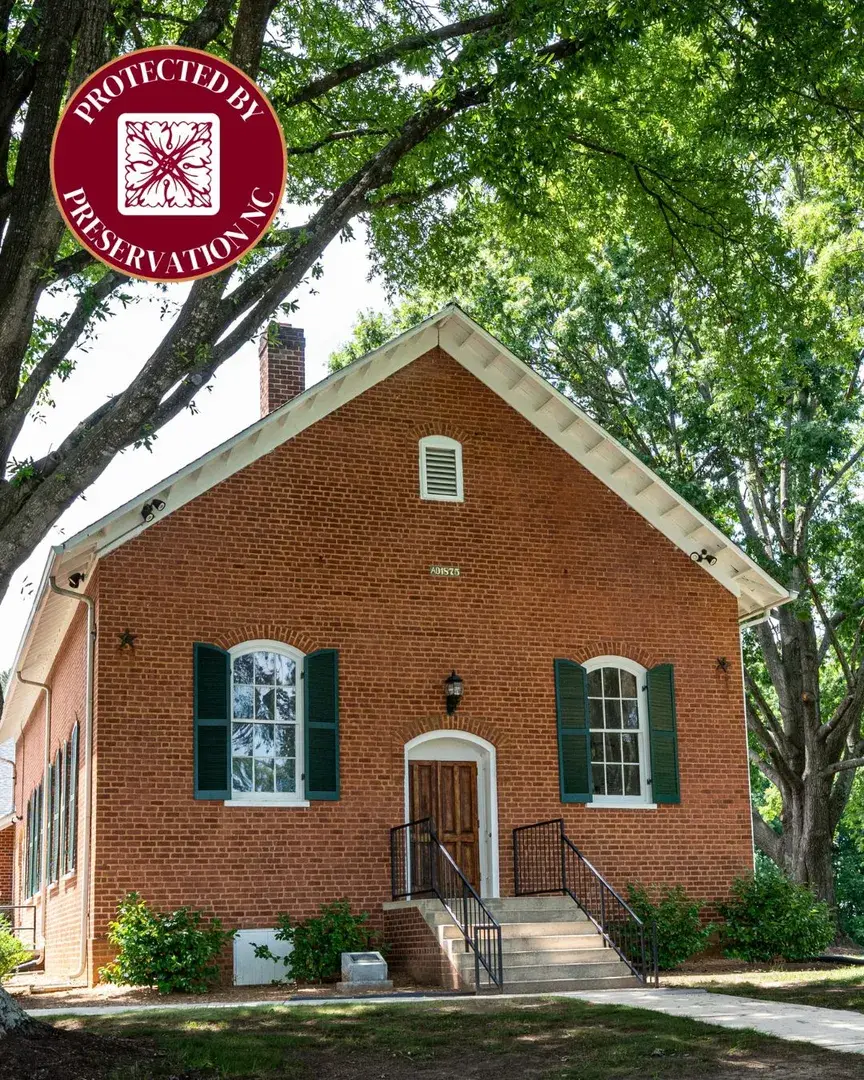
As part of October's A250 series on NC's vernacular architecture, we're highlighting PNC Protected Properties in North Carolina's Upper Piedmont.
Historically known as “back country,” the Upper Piedmont represents a region more closely tied to the Mid-Atlantic than to the Chesapeake and Tidewater. During the second half of the eighteenth century, thousands of settlers moved south along the Great Western Wagon Road from Pennsylvania, forming a patchwork of Scotch-Irish Presbyterian, British Quaker, and German communities. They brought Mid-Atlantic traditions in architecture, foodways, crafts, and religion that differed from those of eastern North Carolina. Unlike the east, where rivers connected plantations to seaports and larger markets, the Upper Piedmont’s poor roads and limited markets favored small farms and home industries over large plantations. Building traditions included log construction, frequent use of stone, and fewer English-based decorative elements. Many Upper Piedmont properties protected by PNC like the ones shown here reflect the lives of small and middling farmers, merchants, and professionals who looked north to Philadelphia rather than east to North Carolina’s port towns. Learn more about them on our site!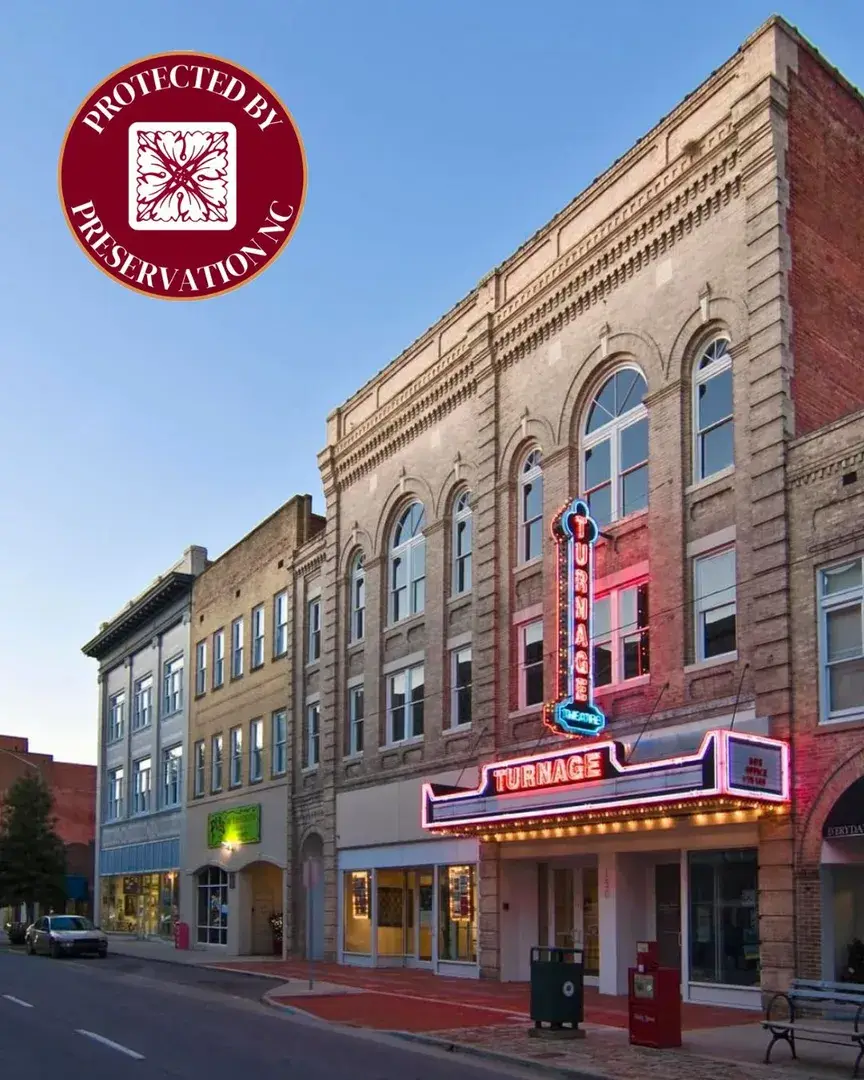
 📢Price Reduced!Nov 2269 likes
 ⛪ON THE MARKET!Oct 30145 likes
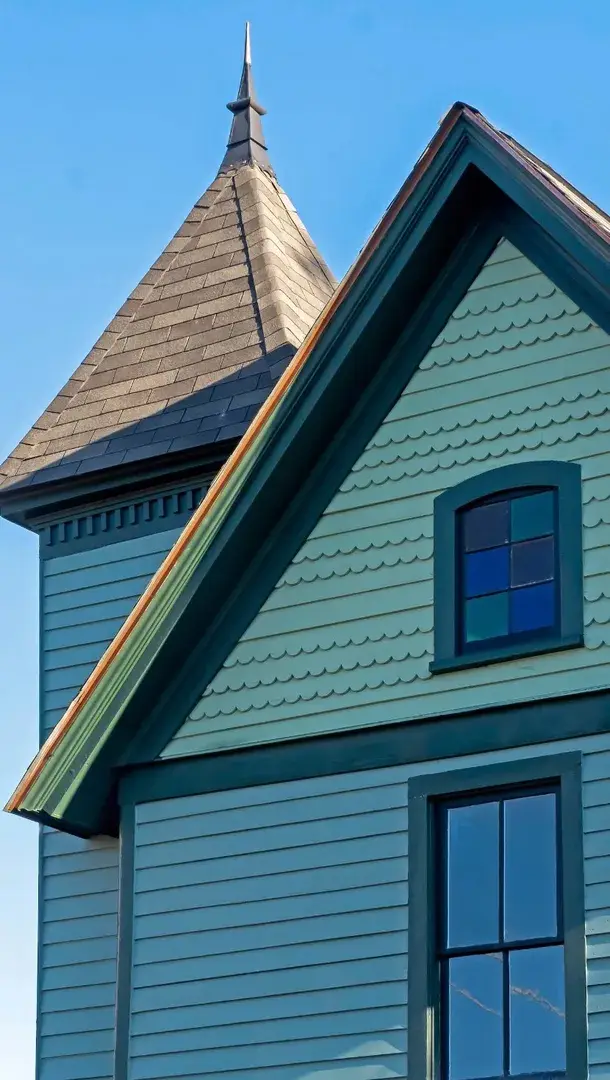 🔔Advocacy Update from PNC President & CEO Benjamin Briggs on the Bipartisan American…Oct 22127 likes
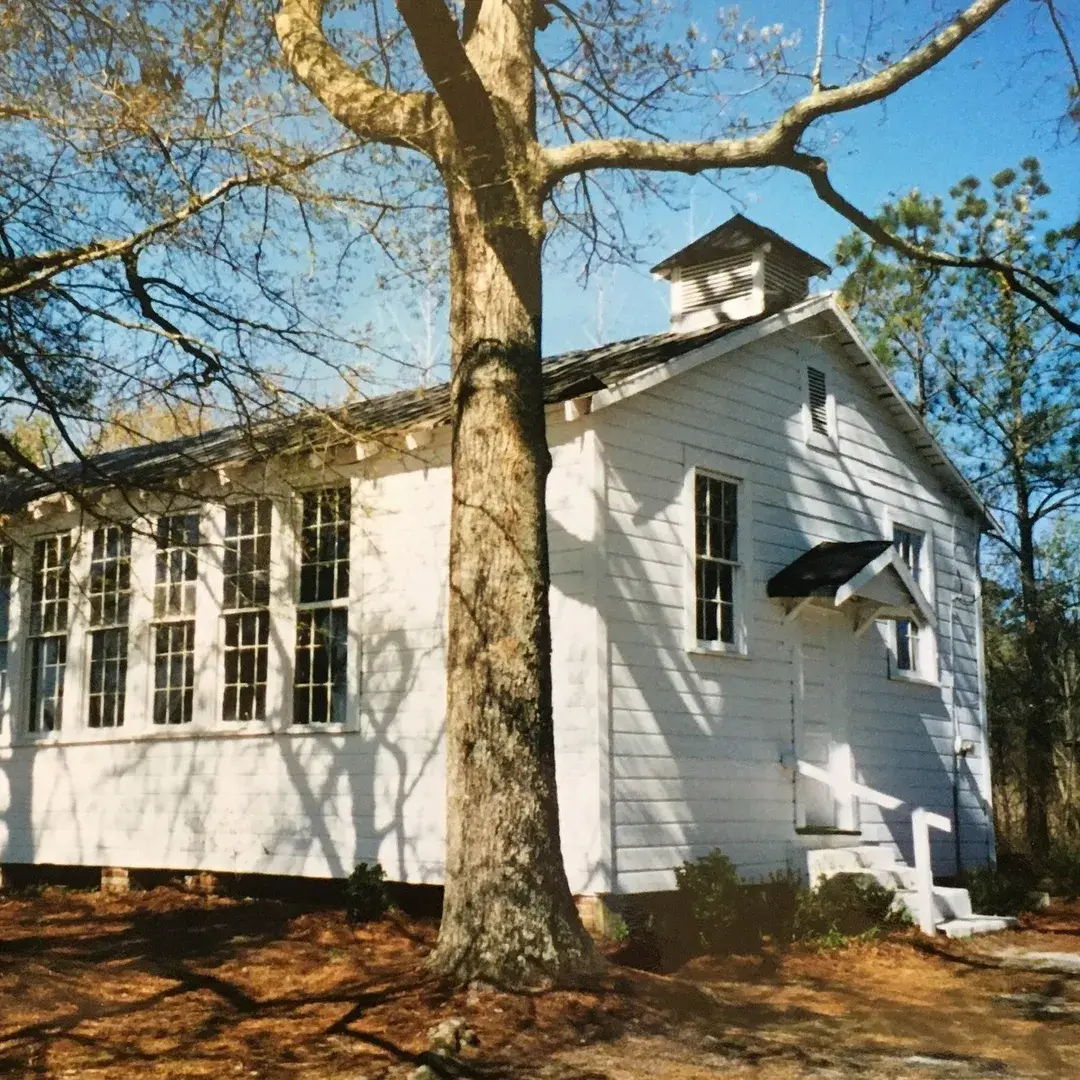 🏫FOR SALE!Oct 20126 likes
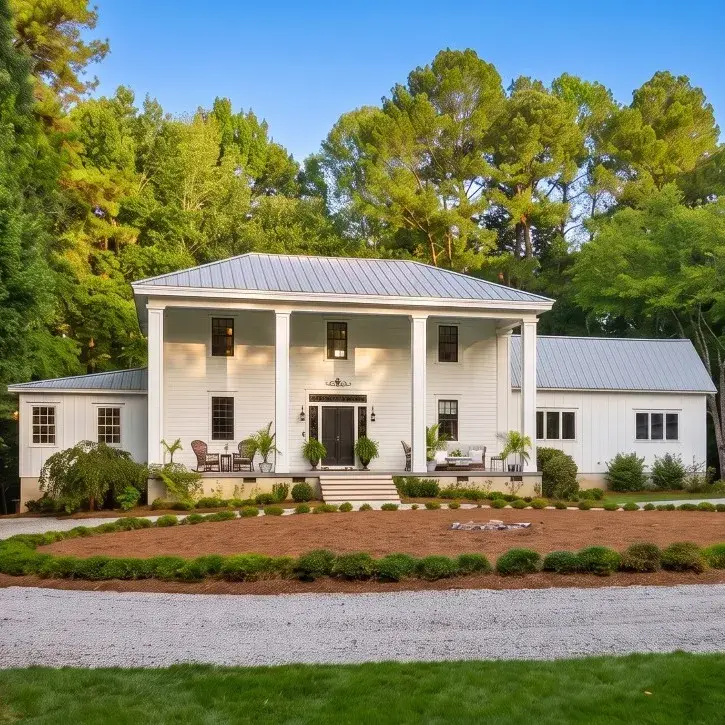 ✨On the Market!Oct 19126 likes
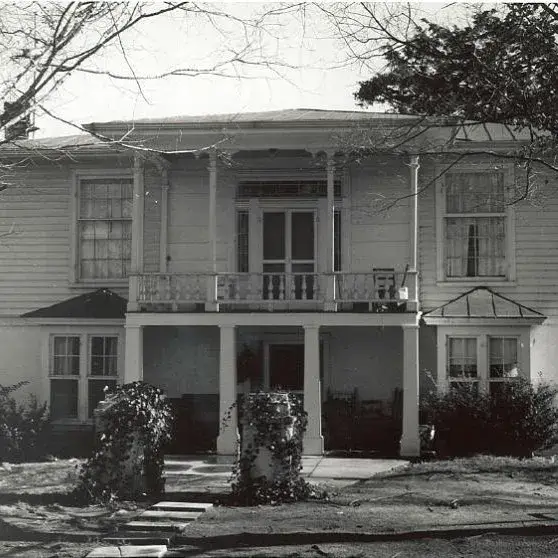 Charming Gordon-Brandon back in the day.Oct 1100 likes
 🎉📣Thrilled to announce this year's Annual Conference registration + details are live!Aug 7100 likes
 📢As Preservation North Carolina has stressed in recent months…Oct 3169 likes
 Get to know this year's Robert E.Sep 2656 likes
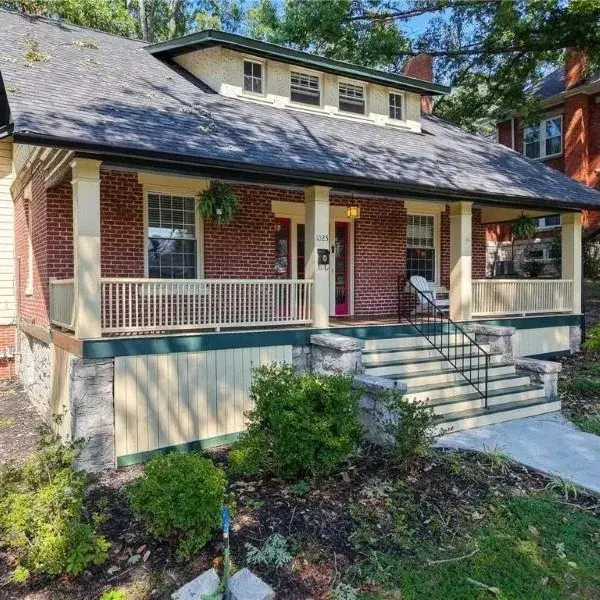 FOR SALE!Oct 1052 likes
 Snaps from a great few days in High Point for our Annual Conference!Oct 2847 likes
 Postcards from Fayetteville of a few of the spots we'll be exploring on our Ramble in…Oct 2945 likes