

 I Will Survive
4 likes
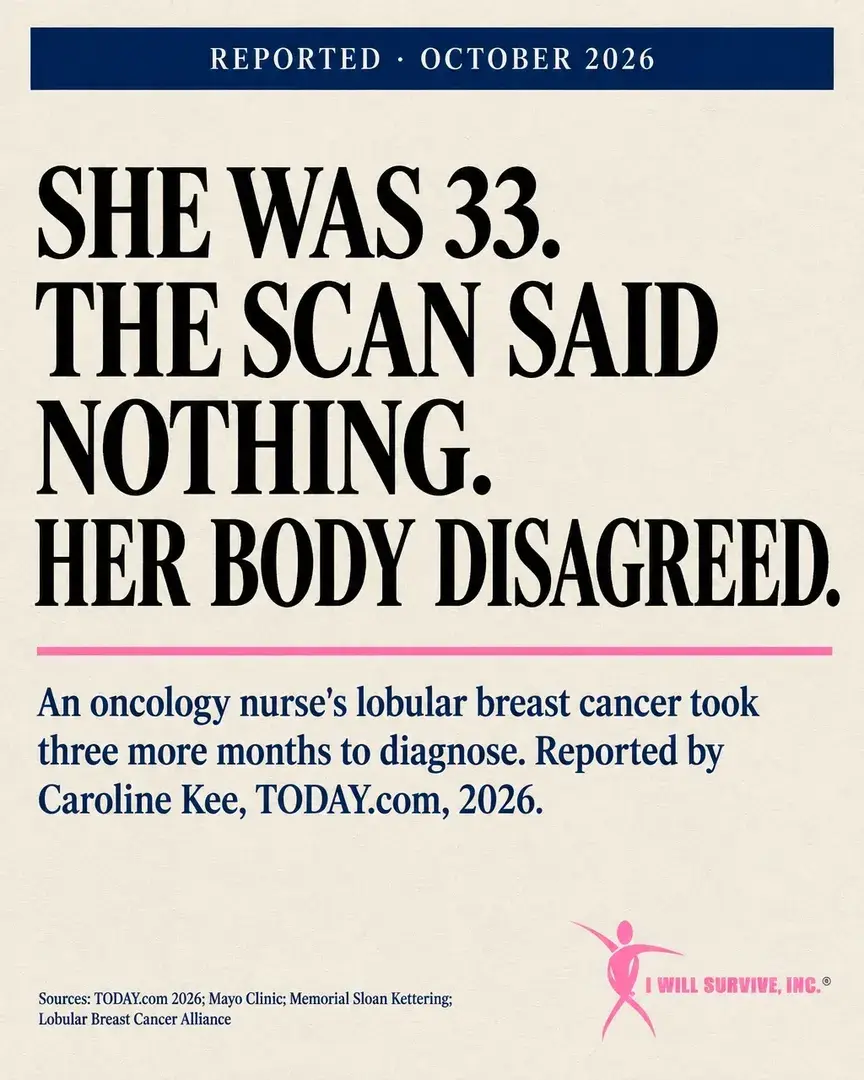
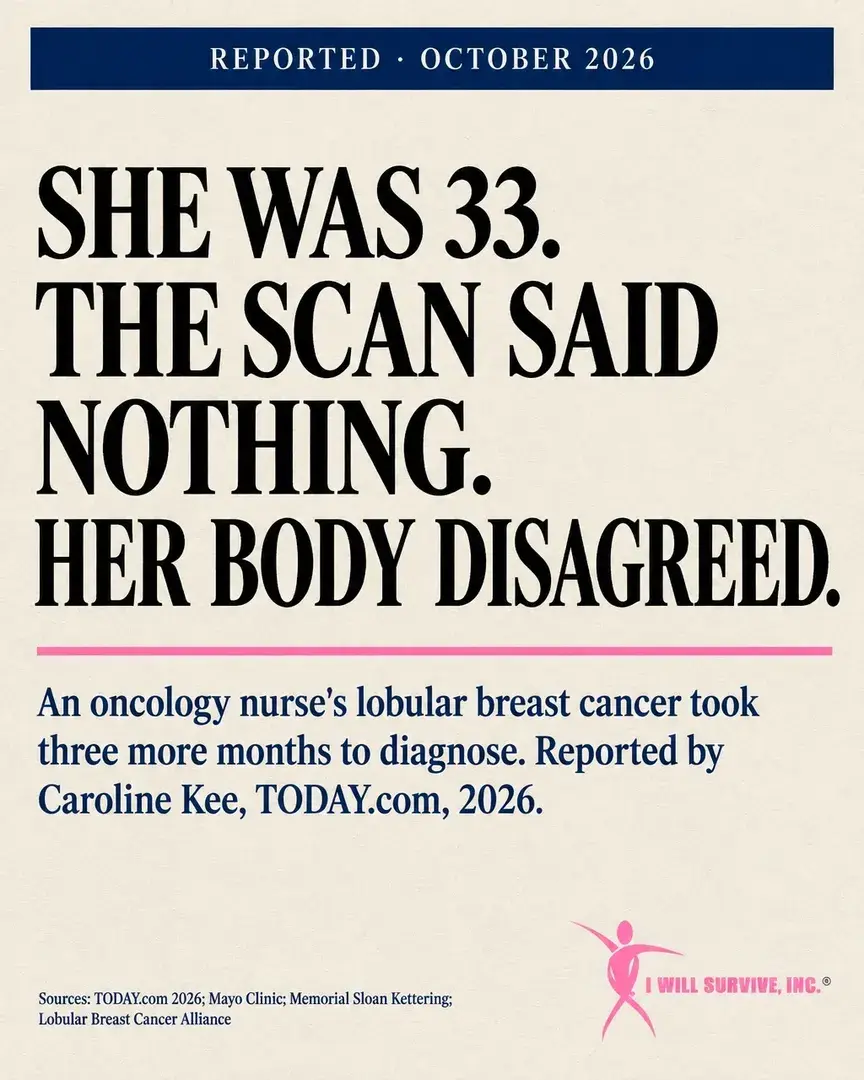
She was 33.
The scan said nothing. Her body disagreed. This is a reported story, not a metaphor. Caroline Kee at TODAY.com reported in October 2026 on Marci Bothwell, an oncology nurse and mother of three in southern Utah, who found a dimple beside her nipple and an area of hardness in her left breast at 33 with no family history. Her ultrasound and mammogram were inconclusive. She was told nothing concerning was visible and that she could wait until age 40. Two months later her nipple inverted and a lymph node grew from grain-of-rice to marble size in days. She pushed for more imaging. An MRI found an 8 cm tumor. Pleomorphic invasive lobular carcinoma, grade 3C, node-positive. Three months passed between the inconclusive scan and the diagnosis. "I didn't know that there was this type of breast cancer that doesn't always show up on mammograms or ultrasounds. So I trusted that I was good." Marci Bothwell, via TODAY.com Invasive lobular carcinoma grows in threadlike patterns rather than distinct lumps, which is why it is often missed on standard imaging. Up to 30% of cases are mammographically occult, mammography sensitivity ranges from 34% to 92%, and MRI sensitivity ranges from 83% to 100%. Signs the Mayo Clinic lists: hardening or thickening, flat or inverted nipples, dimpling, peeling skin, changes in color, shape or size. Bring any of these to your own care team. General education, not medical advice. Reported by Caroline Kee, TODAY.com (2026). Sources: TODAY.com (2026); Mayo Clinic; Memorial Sloan Kettering; Lobular Breast Cancer Alliance; imaging review literature, PMC (2023). #BreastCancerAwarenessMonth #LobularBreastCancer #ILC #KnowTheSigns #BreastHealth Met Anisa right after chemo, before radiation.Apr 7137 likes
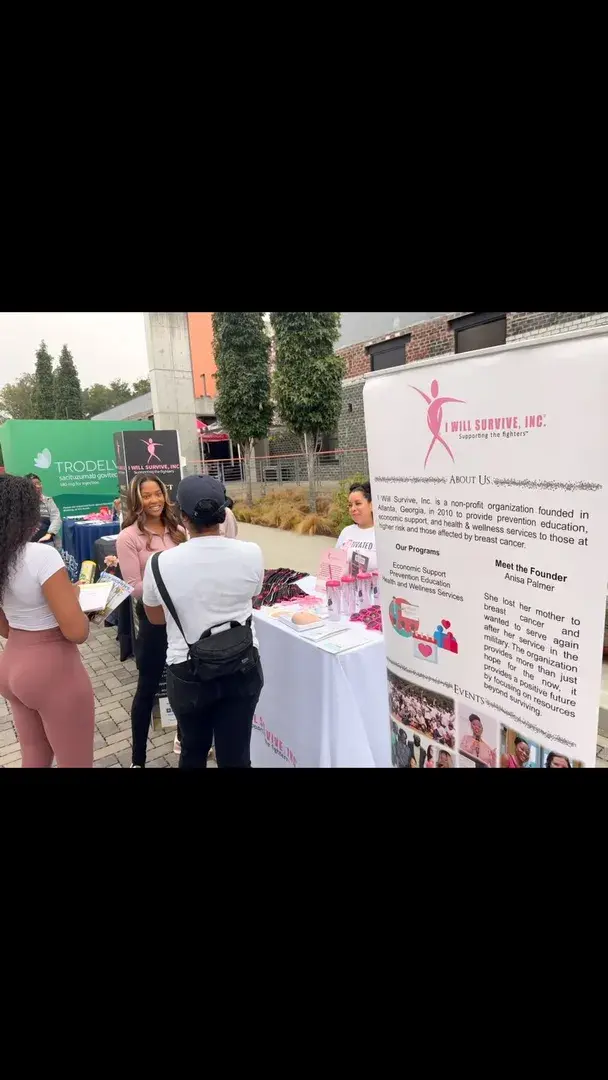 Thank you to our sponsors, partners and supporters for an amazing @sistastrut today in…Oct 359 likes
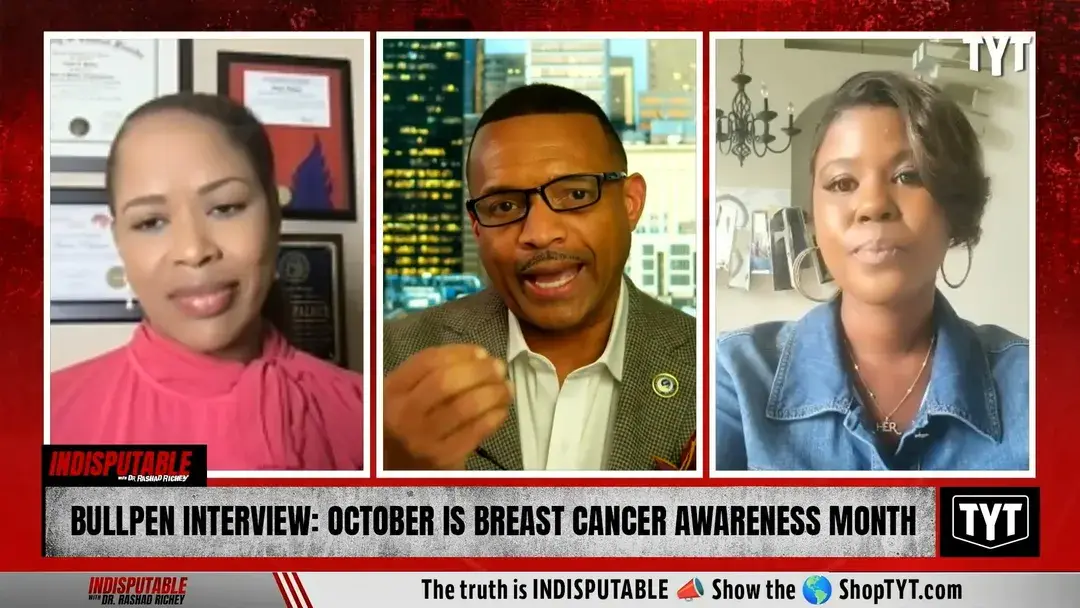 From Surviving to Thriving.Sep 2544 likes
 If you’re looking for a free mammogram in Atlanta, GA, you’re not alone.Sep 627 likes
 Introducing Mrs.Sep 225 likes
 💗 The Heart Behind the Mission | Art Jazz Gala 2026 🎷✨ In this special interview…Sep 924 likes
 🎀 Know Your Risk.Sep 824 likes
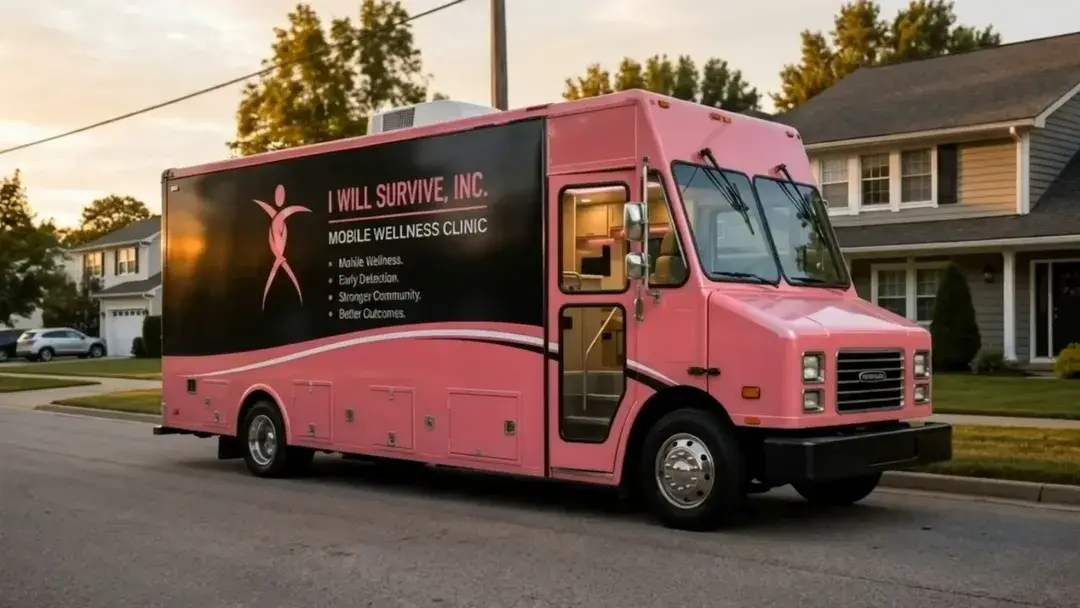 Care should not depend on where you live.Oct 322 likes
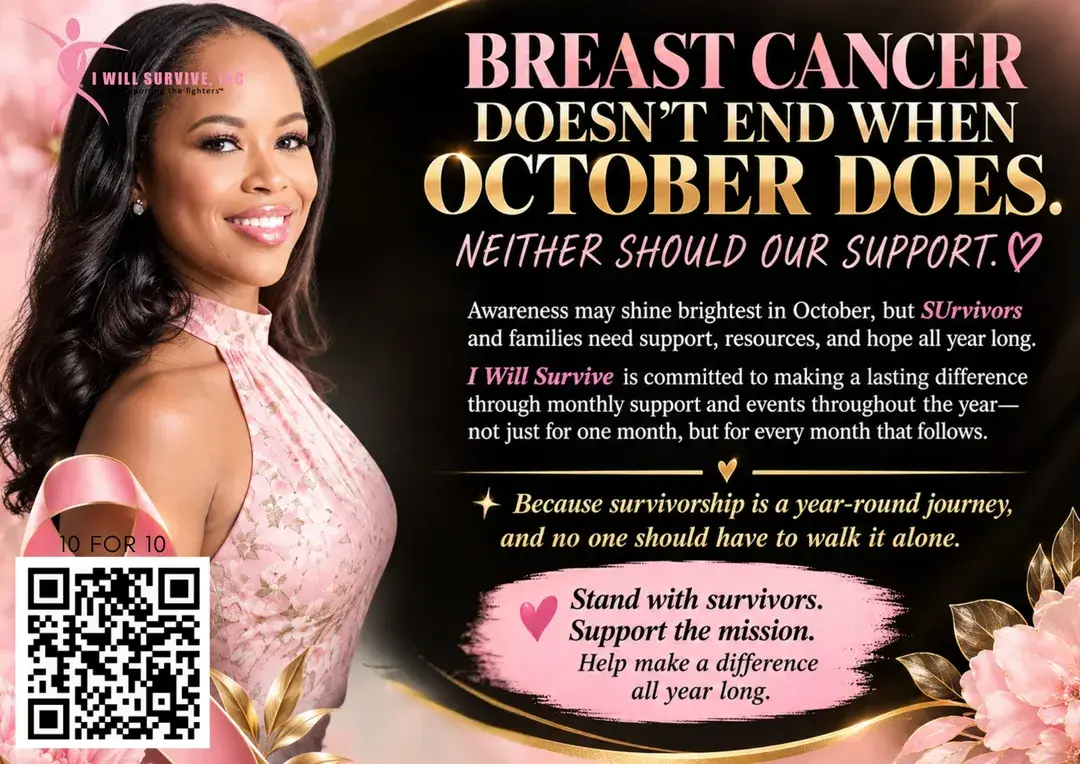 OCTOBER MAY END… BUT THE NEED FOR SUPPORT DOESN’T.Oct 1519 likes
 October is the time to move with purpose and show up for community.Sep 219 likes
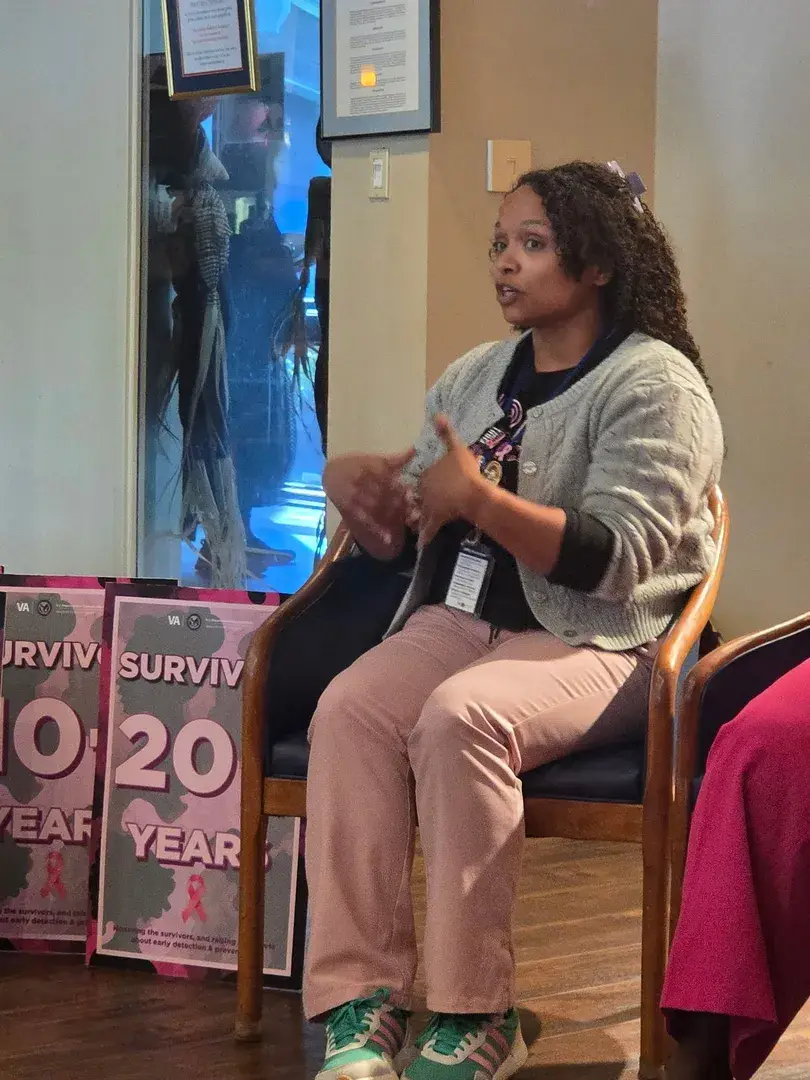 Real women.Oct 2817 likes
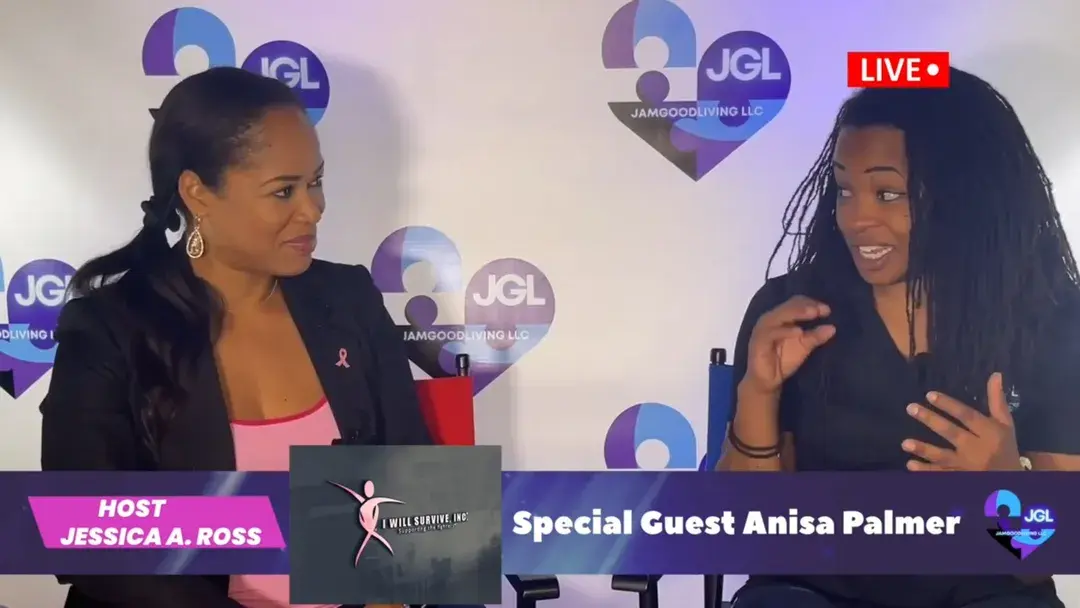 She lost her mother to breast cancer—and turned her pain into a mission to save others.Sep 1816 likes