

 Foundation for Economic Education
244 likes
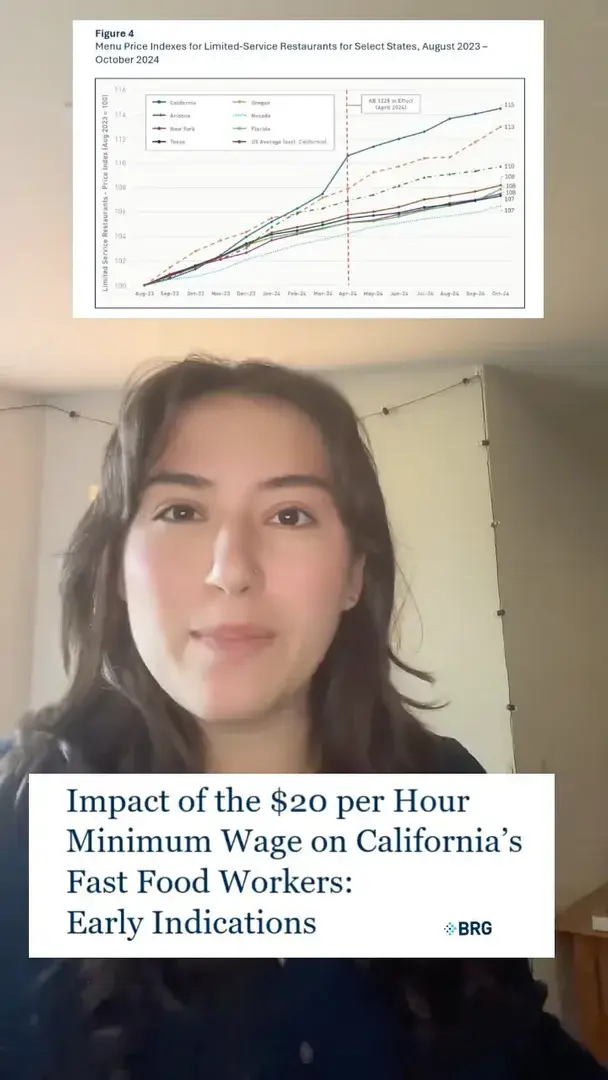
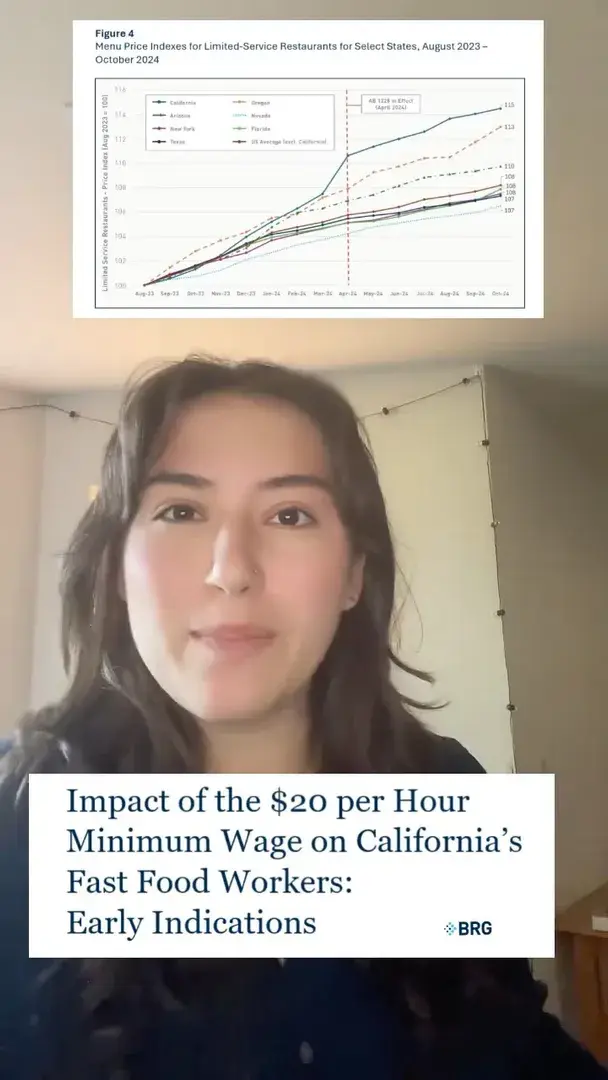
You can’t have your cheap burger and a higher minimum wage too.
Comment “Wages” and we’ll send you an article about this topic. Fast-food chains are particularly sensitive to minimum-wage increases. When the minimum wage rises, restaurants have to adjust to higher labor costs. They can do so along different margins: hire fewer workers, reduce employee benefits, cut hours, or charge customers more. Because fast-food restaurants operate in a highly competitive industry with relatively thin margins, higher costs are often passed on to consumers. Burger eaters are among the many people who bear the cost. But the effects go beyond price increases. As restaurants respond to more expensive labor, they have stronger incentives to automate their processes, invest in labor-saving technologies, reorganize production, or even reduce the pace at which they expand and hire. Some workers may benefit from higher wages, but those gains come with costs borne by consumers and by the workers who are never hired, whose hours are cut, or whose jobs are eventually automated away. These effects are much harder to see. In the long run, effectively “taxing” low-wage employment this way can make entry-level work scarcer while raising the cost of the goods those workers themselves consume. Wall Street makes an easy villain in the housing crisis.Oct 2299 likes
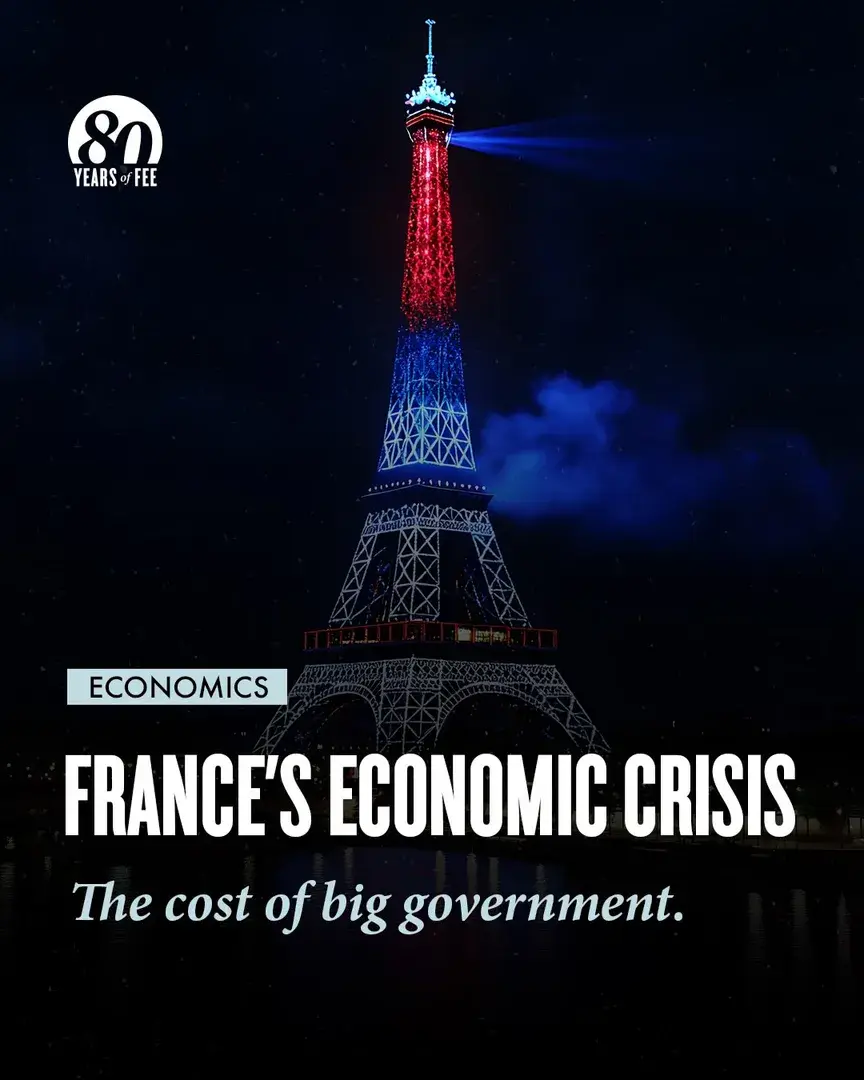 France’s economic troubles run deeper than the rising cost of living.Oct 21950 likes
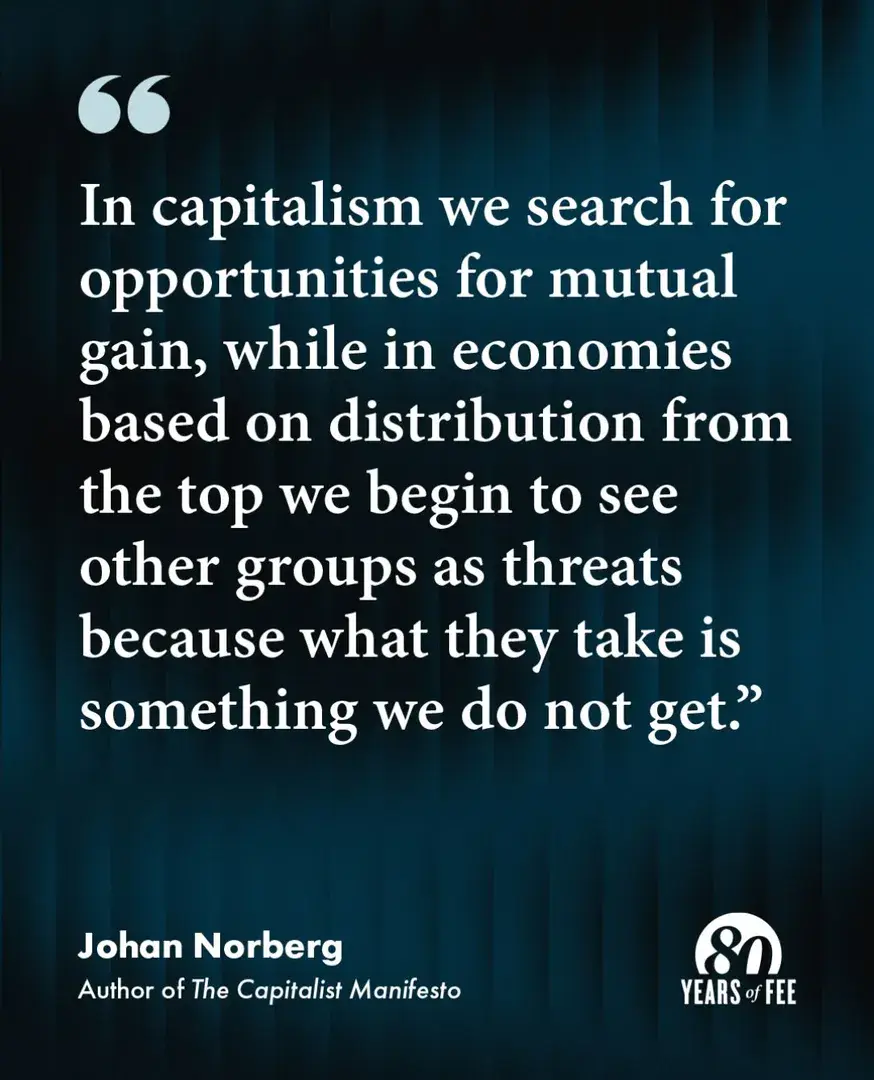 Free-market capitalism motivates you to serve others on their own terms…Oct 19353 likes
 What did Robert Hall change about modern macroeconomics?Oct 14369 likes
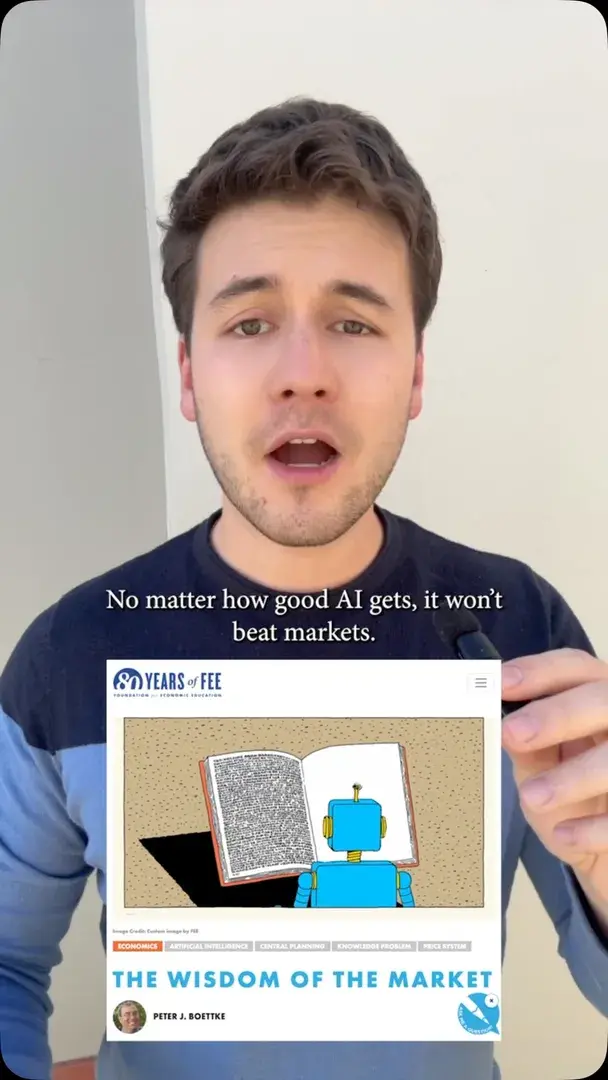 No matter how advanced AI becomes, economic coordination requires more than computing…Oct 1091 likes
 Data centers are essential to modern life, storing everything from personal photos and…Oct 967 likes
 Milton Friedman understood that the way we spend money changes our incentives.Oct 8991 likes
 Daron Acemoglu thinks AI-driven unemployment could triple over the next decade.Oct 783 likes
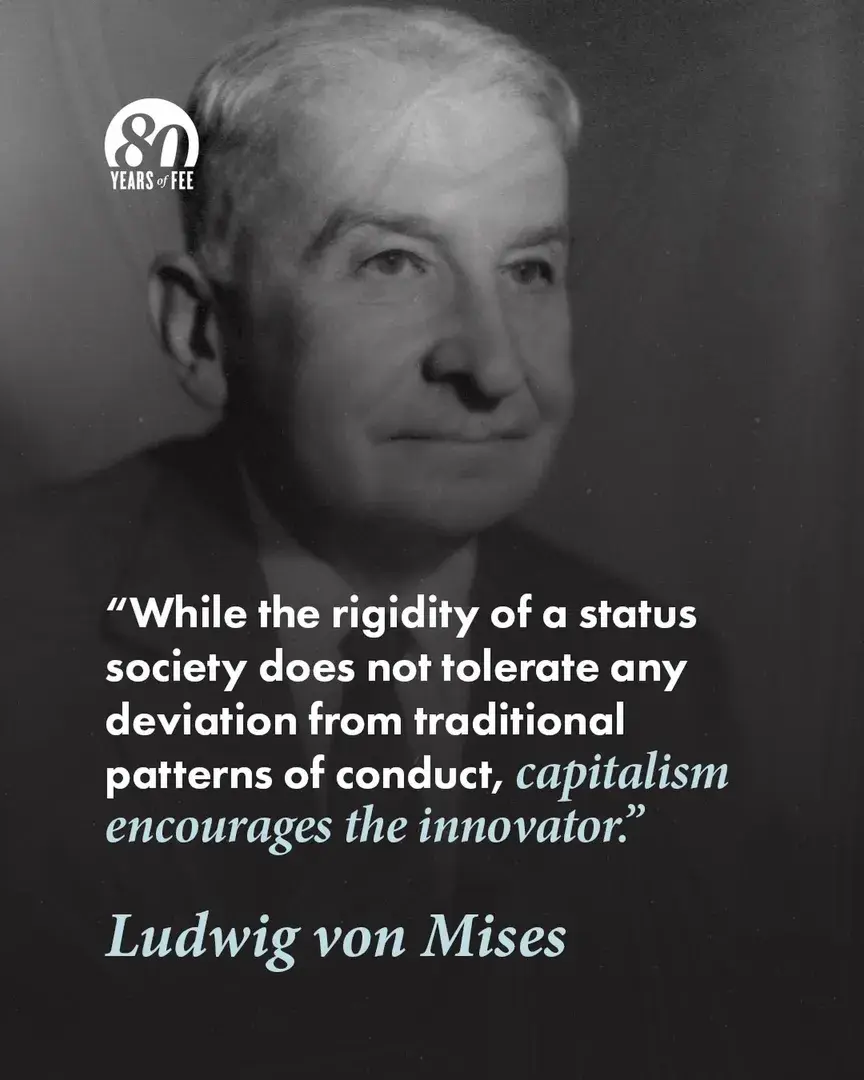 Innovation is inherently rebellious.Sep 28278 likes
 People are having fewer children.Sep 27133 likes
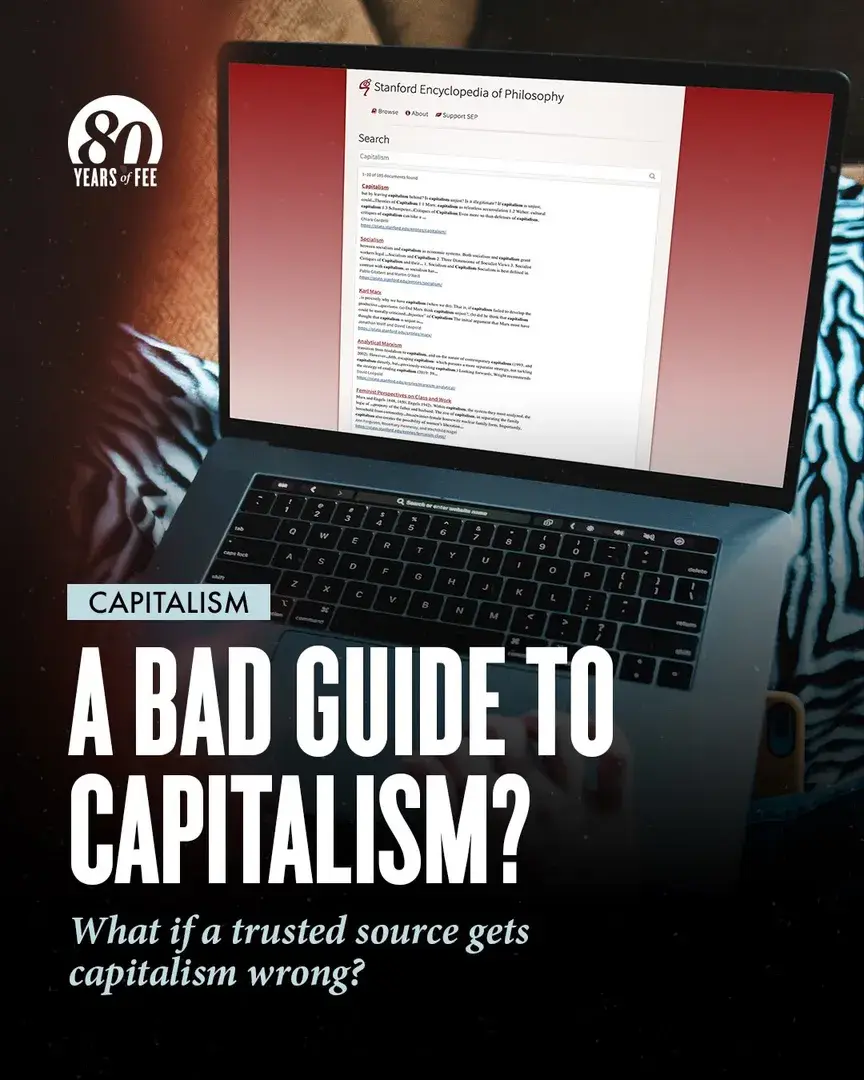 What if a trusted source gets capitalism wrong?Sep 23223 likes
 Economist Mark Perry’s “Chart of the Century” tells a striking story about prices.Sep 15121 likes
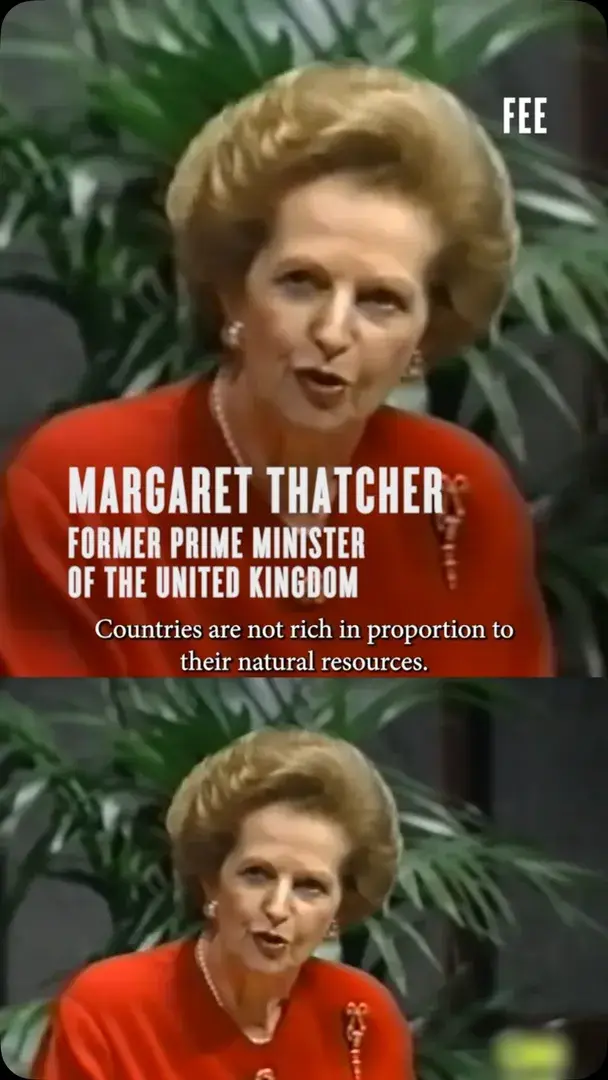 A country can be rich in natural resources and still be poor in opportunities.Sep 2920K likes
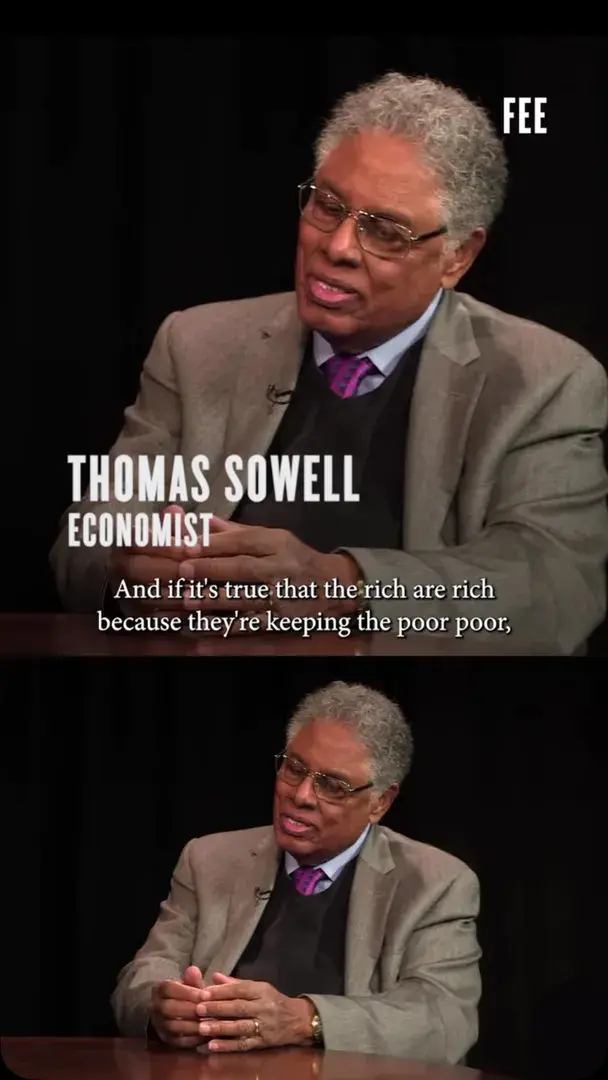 Thomas Sowell challenges one of the most persistent economic myths…Sep 191.7K likes
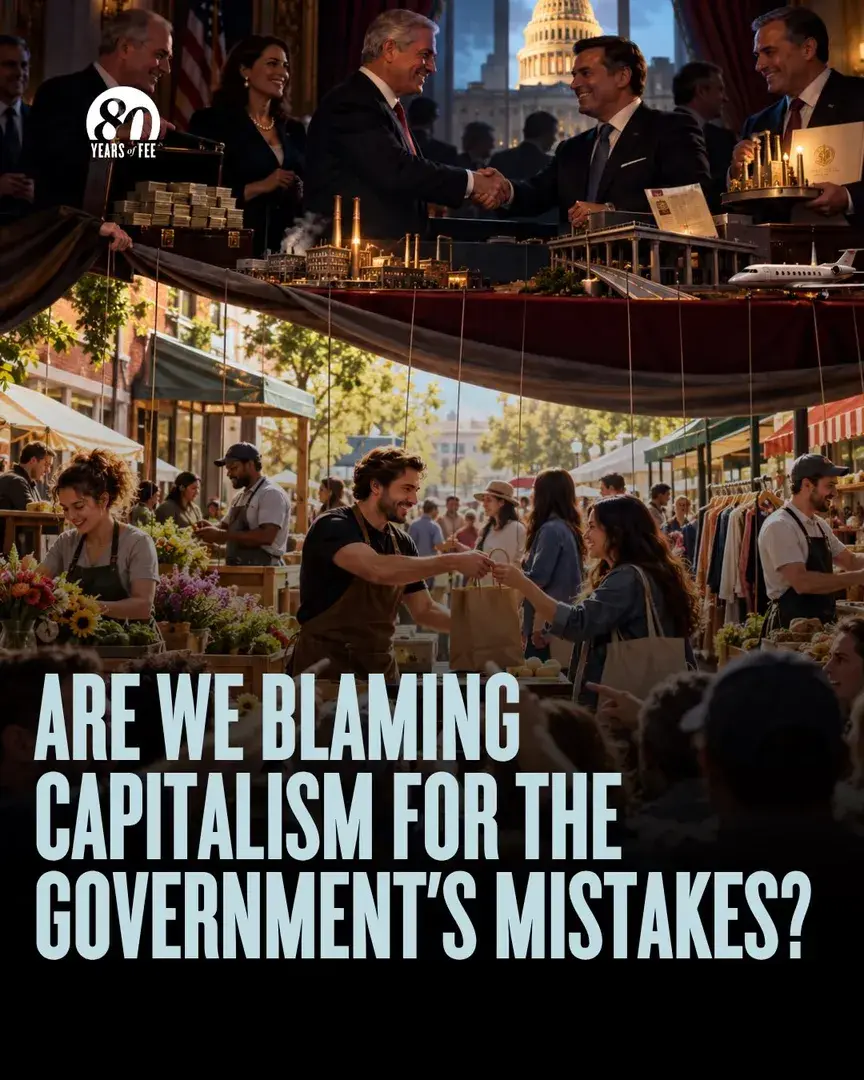 Capitalism should not be blamed for privileges created by government.Oct 231.1K likes
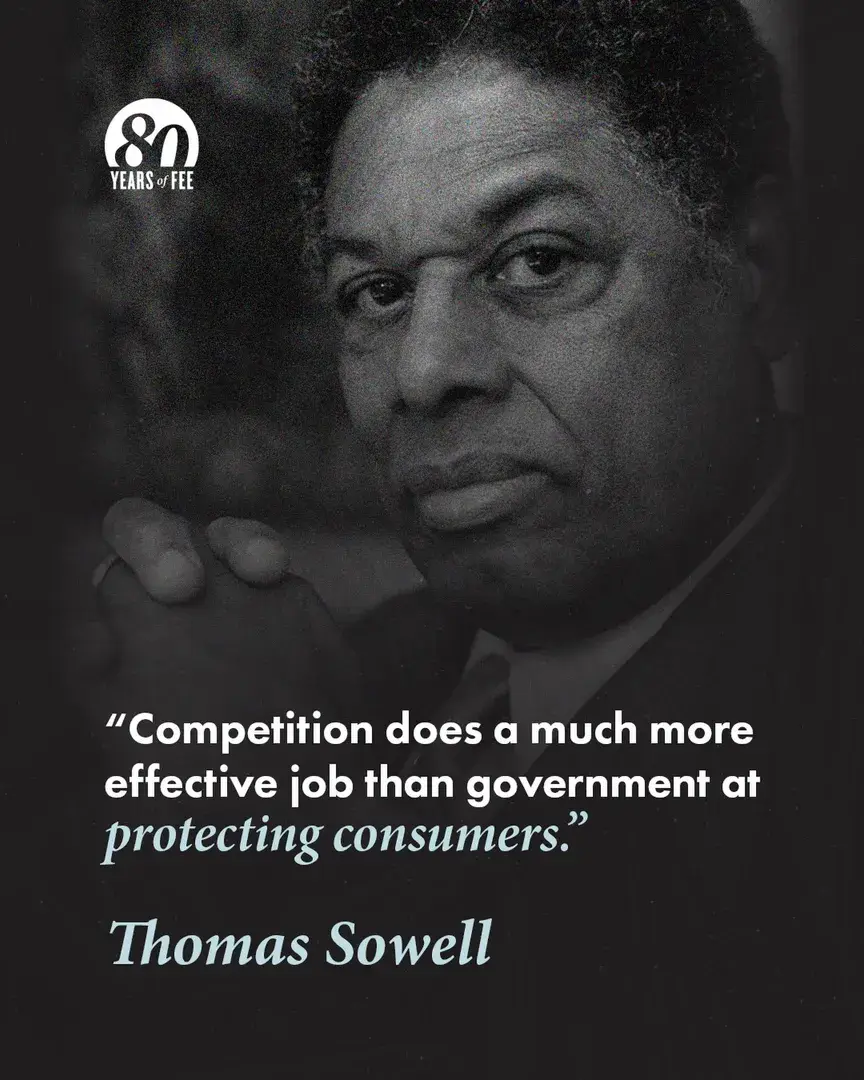 Thomas Sowell understood that consumers are often protected most effectively when…Oct 12744 likes
 Why the arguments for AI-socialist planning fail.Sep 6704 likes
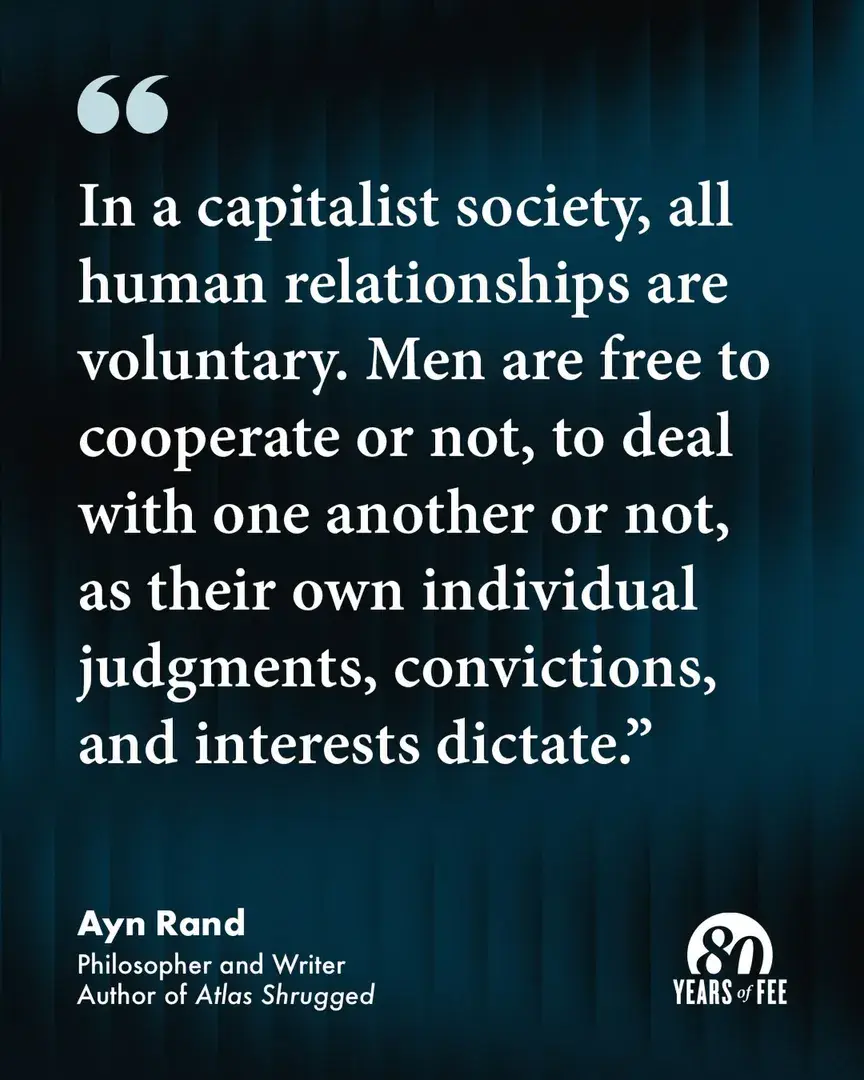 Ayn Rand saw capitalism as more than an economic system.Sep 21646 likes
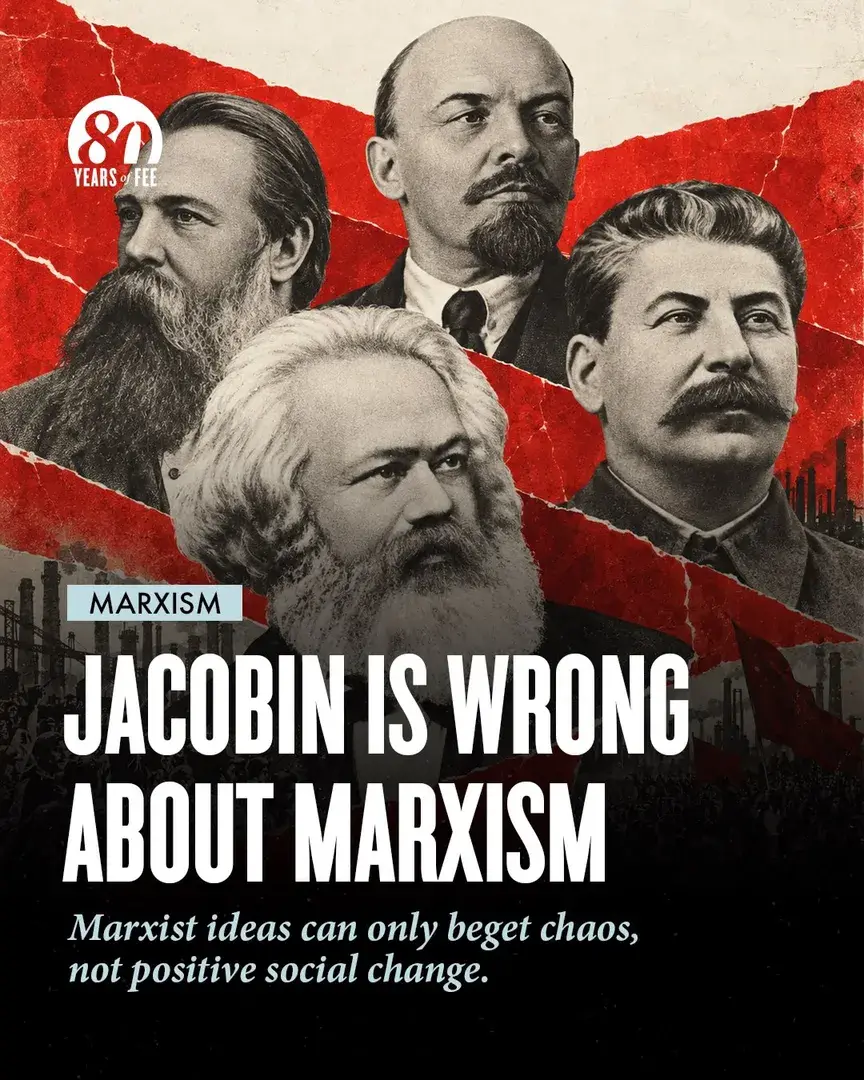 Marxist ideas can only beget chaos, not positive social change.Oct 11594 likes
 Hopping on the ’80s trend, but Milton Friedman was actually spending the decade bringing…Sep 13578 likes
 There is a strange inconsistency in attacking capitalism while celebrating the abundance…Sep 7571 likes
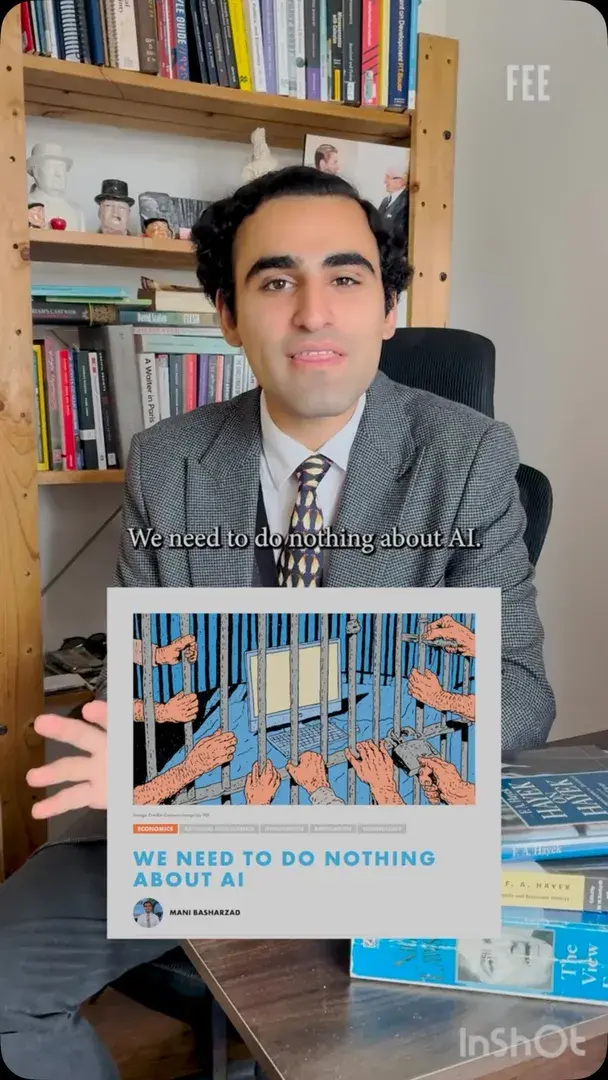 The reasons for regulating AI are far weaker than one could expect.Oct 1567 likes
 Economics has always been a challenge to political conceit.Aug 27545 likes
 Can government-owned grocery stores really make food dramatically cheaper?Sep 22527 likes