

 Foundation for Economic Education
367 likes
Why is Michael Woodford’s “New Keynesian” model so different from old Keynesianism?
Comment “Macroeconomics” and we’ll send you an article on the ideas that reshaped modern macroeconomic policy. In Part II of our series on the 2026 Nobel Prize in Economics, we look at Michael Woodford, whose work helped build the canonical New Keynesian model and transformed how economists think about monetary policy, expectations, and macroeconomic stabilization. Despite the name, Woodford’s framework is better understood as a continuation of the intellectual revolution associated with Milton Friedman and Robert Lucas than as a return to Keynes’s original macroeconomic vision. What Woodford retains from Keynes is mainly the idea that prices and wages can be sticky. Everything else is rebuilt around forward-looking behavior, rational expectations, optimization, general equilibrium, and explicit rules for monetary policy. Woodford’s achievement was to show how monetary policy could be analyzed with the discipline of modern microeconomics rather than the ad hoc relationships that characterized much of Old Keynesianism. A country can be rich in natural resources and still be poor in opportunities.Sep 2920K likes
 Thomas Sowell challenges one of the most persistent economic myths…Sep 191.7K likes
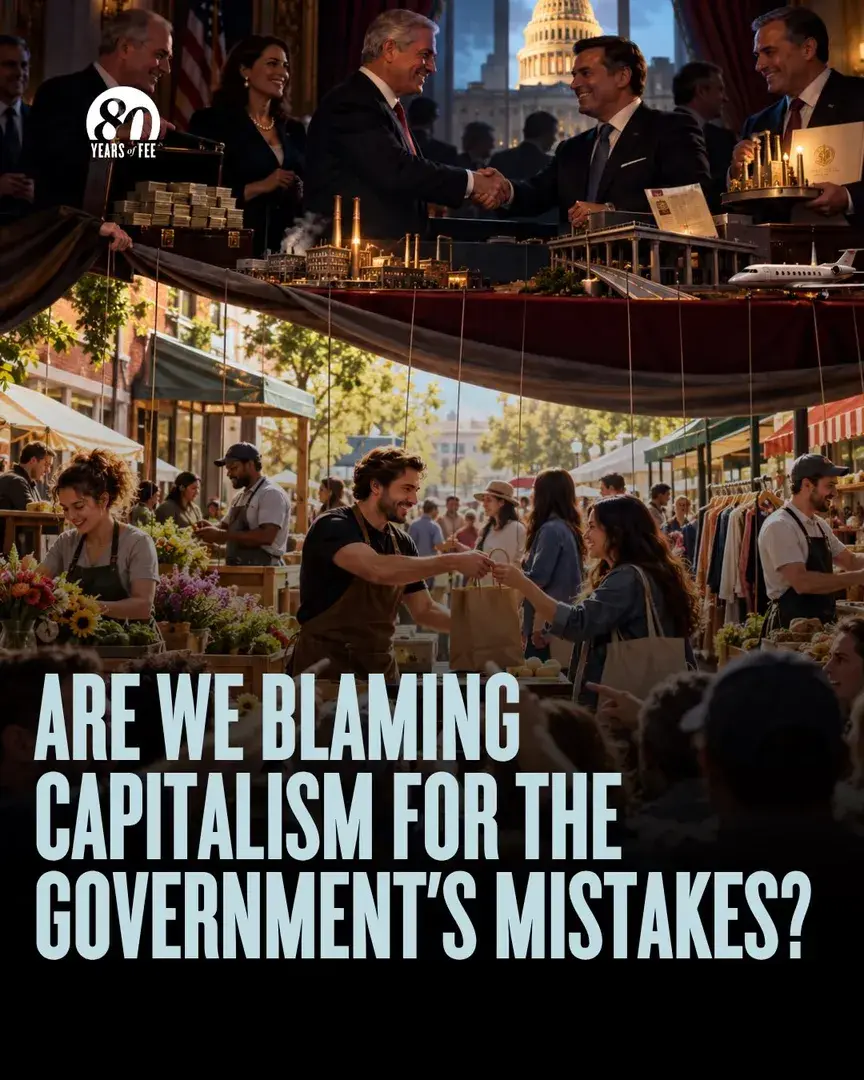 Capitalism should not be blamed for privileges created by government.Oct 231.1K likes
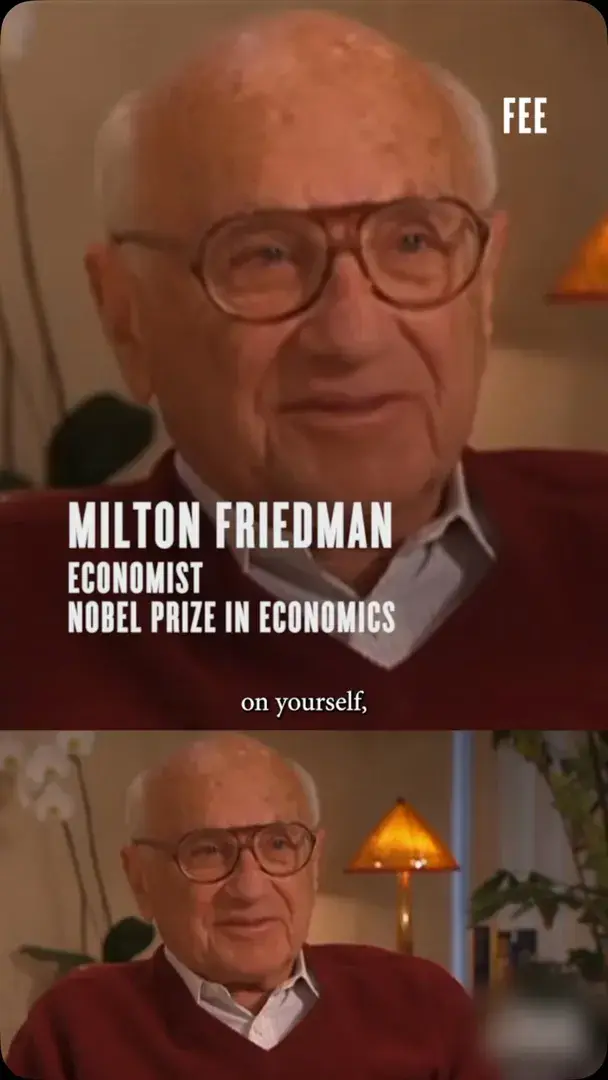 Milton Friedman understood that the way we spend money changes our incentives.Oct 8991 likes
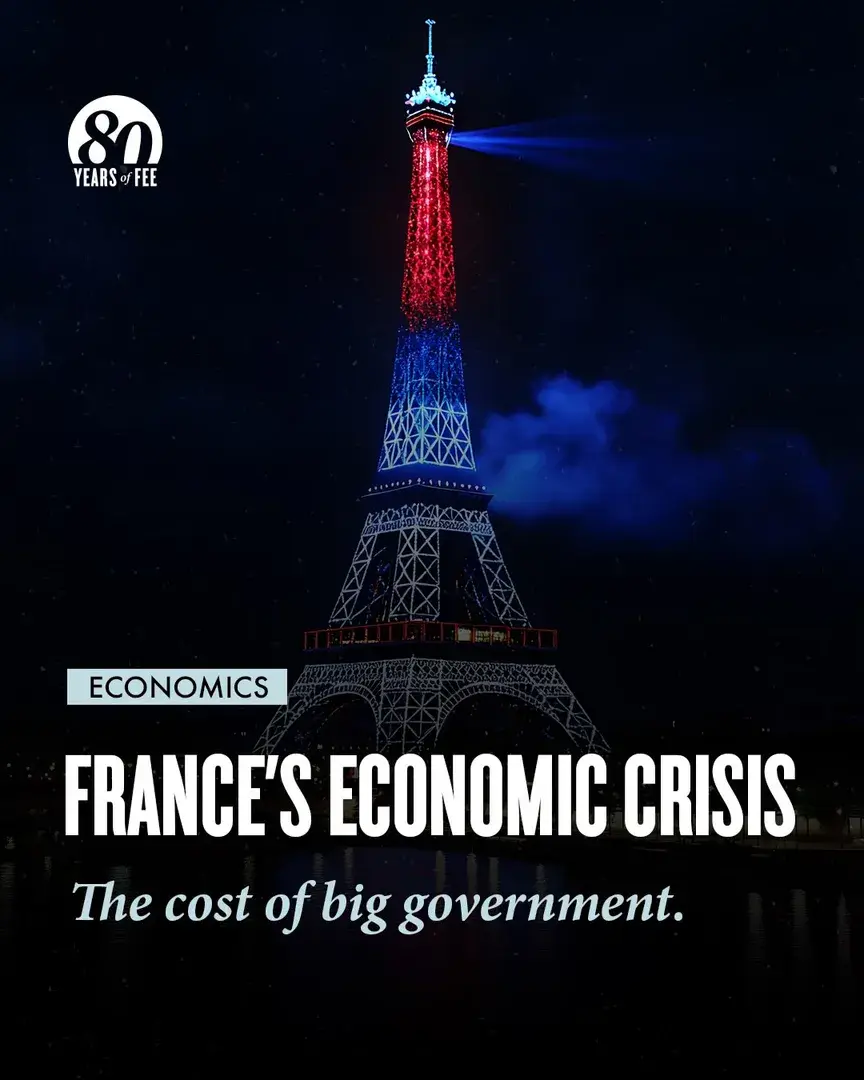 France’s economic troubles run deeper than the rising cost of living.Oct 21950 likes
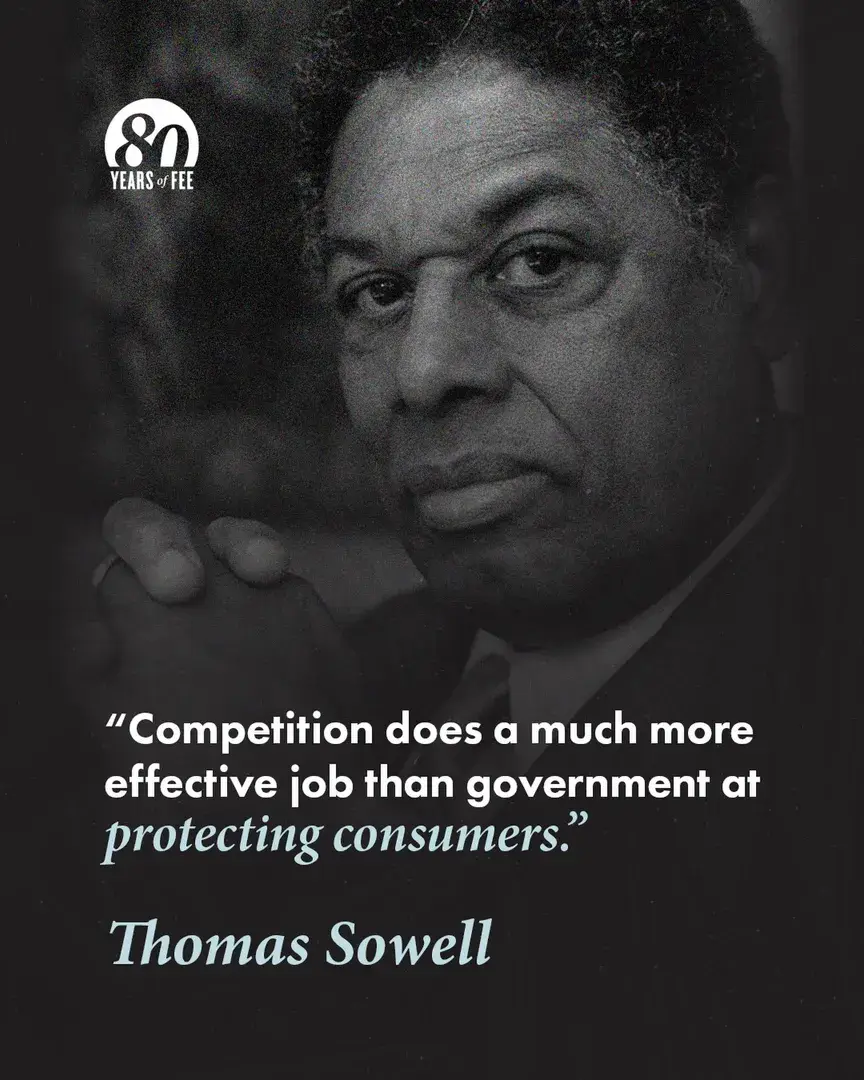 Thomas Sowell understood that consumers are often protected most effectively when…Oct 12744 likes
 Why the arguments for AI-socialist planning fail.Sep 6704 likes
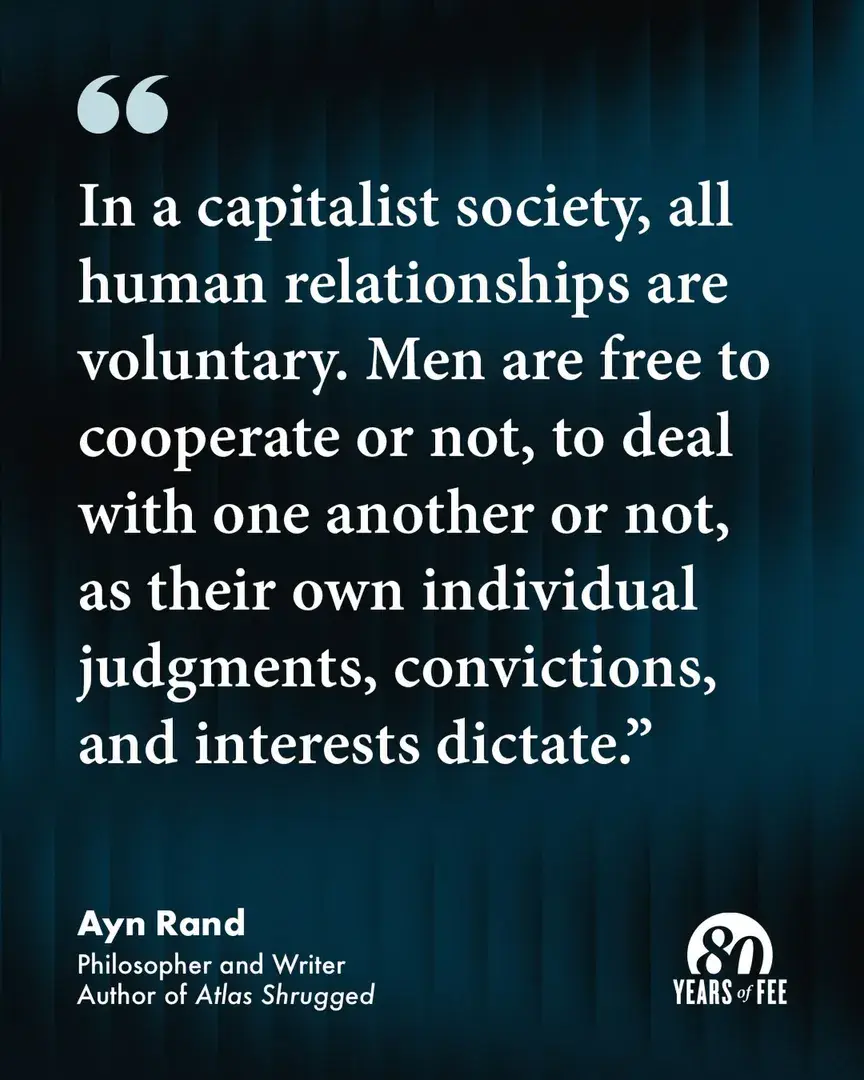 Ayn Rand saw capitalism as more than an economic system.Sep 21646 likes
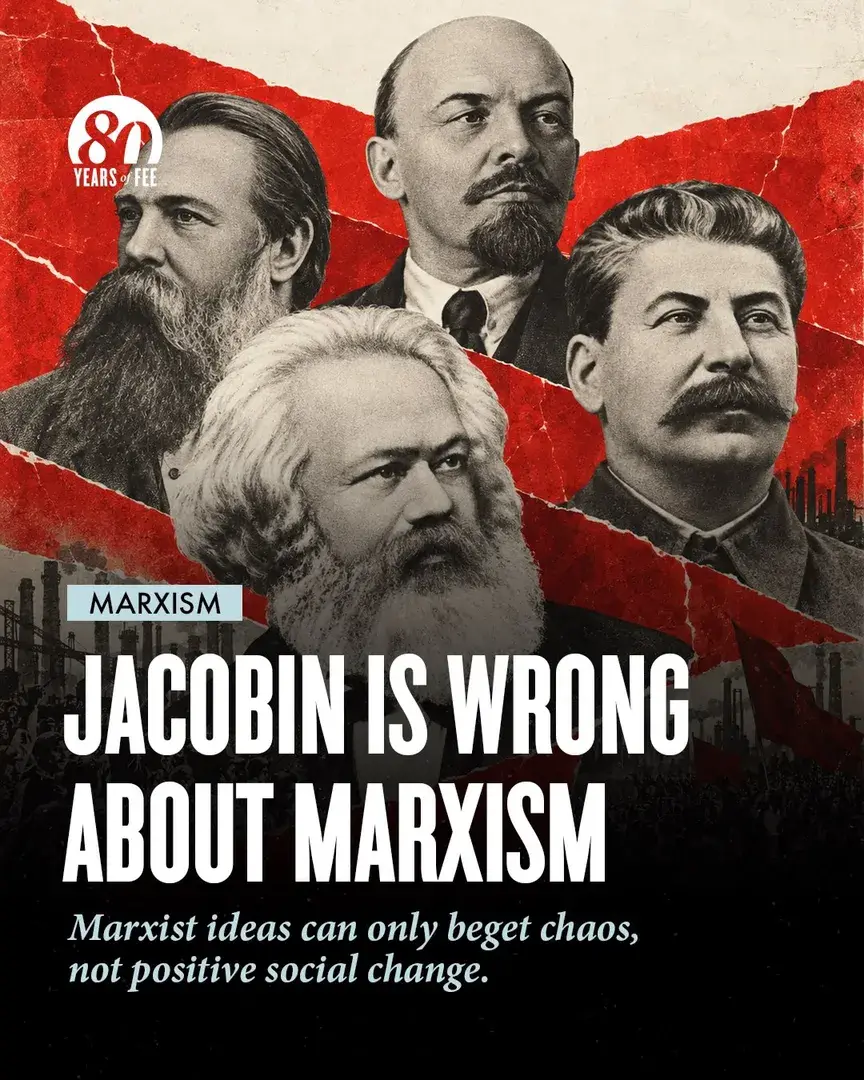 Marxist ideas can only beget chaos, not positive social change.Oct 11594 likes
 Hopping on the ’80s trend, but Milton Friedman was actually spending the decade bringing…Sep 13578 likes
 There is a strange inconsistency in attacking capitalism while celebrating the abundance…Sep 7571 likes
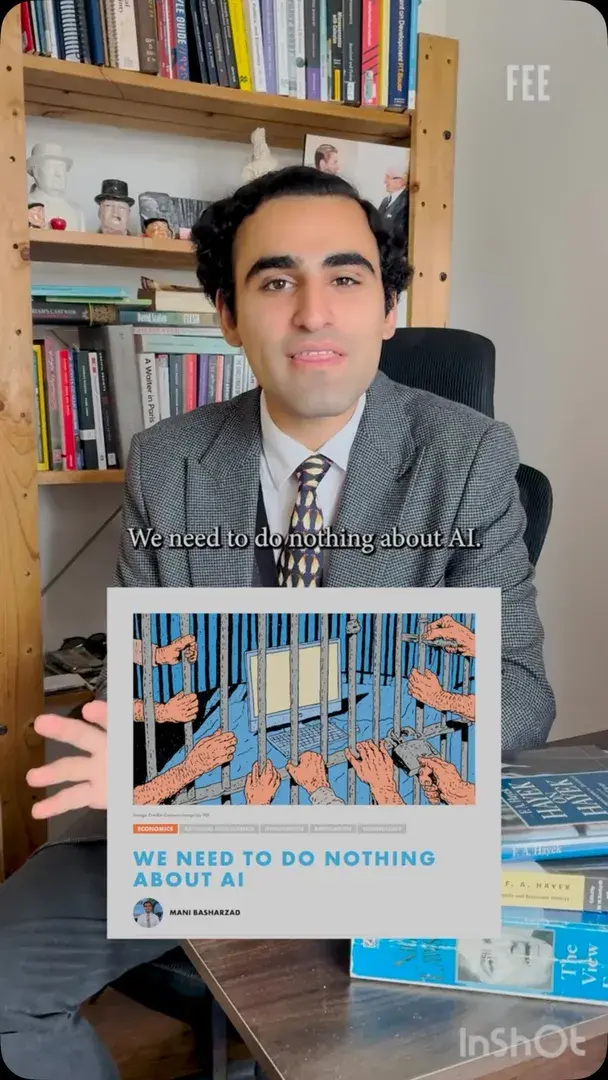 The reasons for regulating AI are far weaker than one could expect.Oct 1567 likes