


 Foundation for Economic Education


160 likes
There’s invisible coordination behind the things we buy.
Comment “I, Trader” and we’ll send you the essay. Twenty-five years after 9/11, economist Peter C. Earle reflects on why the World Trade Center was such a powerful symbol of global commerce. Inside those towers, traders, brokers, bankers, insurers, analysts, and countless others helped coordinate the movement of goods, capital, information, and risk across the world. That observation leads Earle back to Leonard Read’s “I, Pencil.” A pencil requires cedar, graphite, brass, lacquer, labor, machinery, and transport. But those inputs must also find the right buyers, prices, places, and moments. Traders, arbitrageurs, warehouse operators, insurers, speculators, financiers, and other middlemen help perform that coordination across distances, currencies, and time. They discover prices, move goods toward higher-valued uses, carry inventories through time, transfer risks, bridge the interval between production and payment, and create workable links between strangers. Much of this work is easy to overlook because the middleman’s margin is visible while the costs he reduces are not.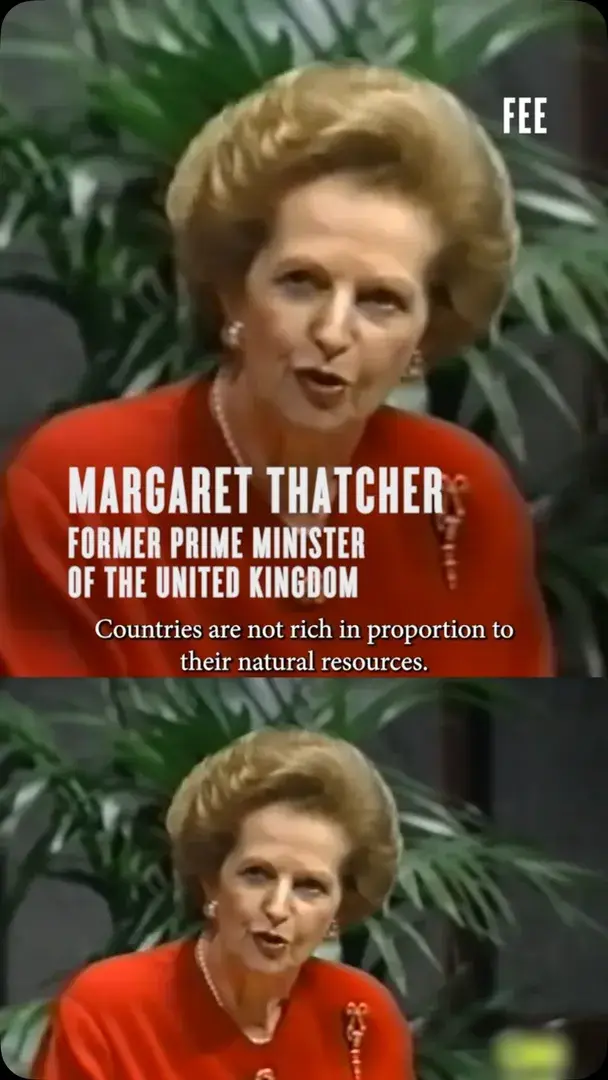 A country can be rich in natural resources and still be poor in opportunities.Sep 2920K likes
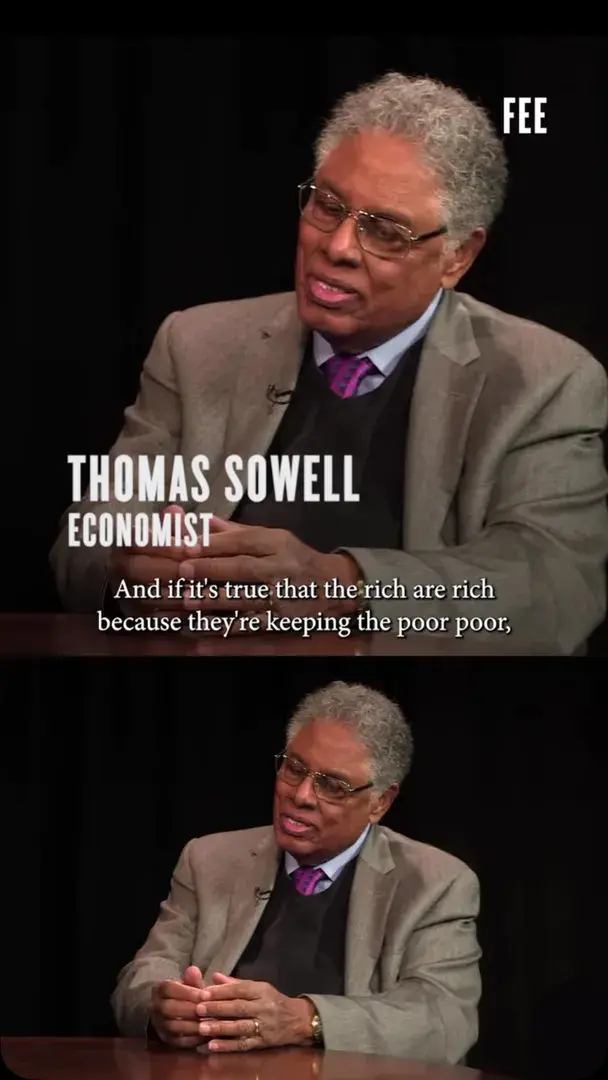 Thomas Sowell challenges one of the most persistent economic myths…Sep 191.7K likes
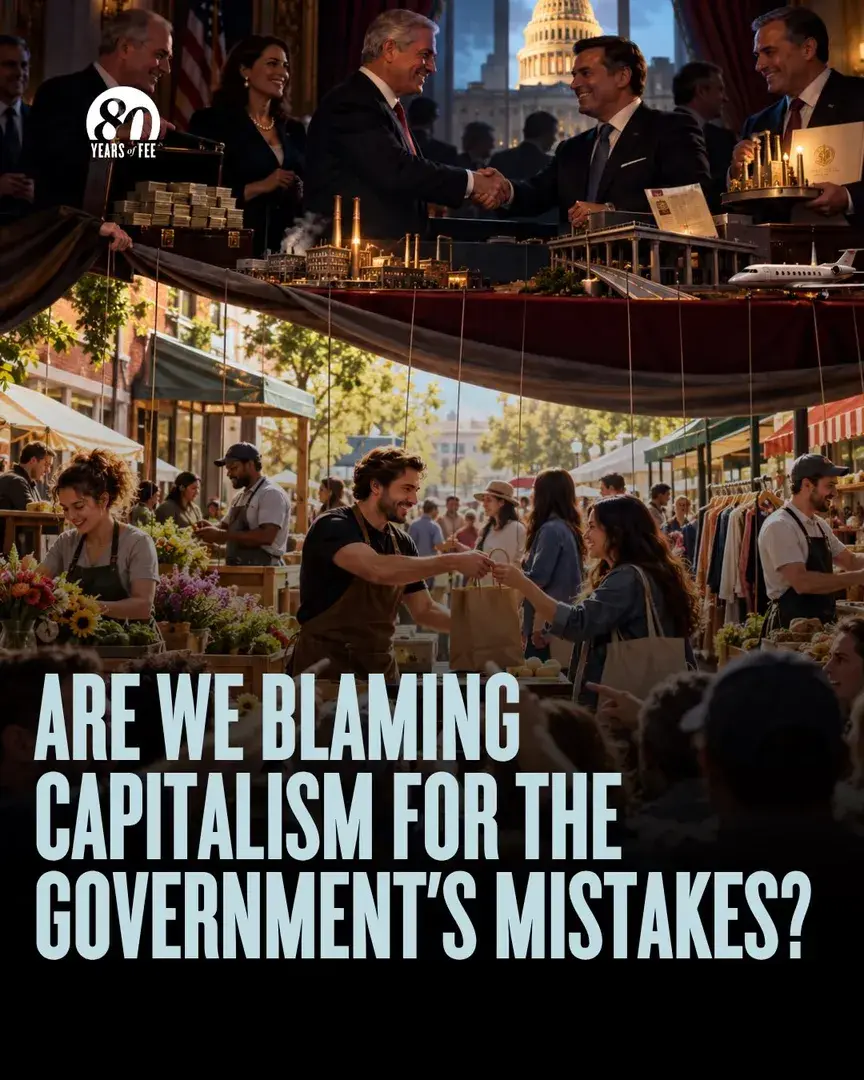 Capitalism should not be blamed for privileges created by government.Oct 231.1K likes
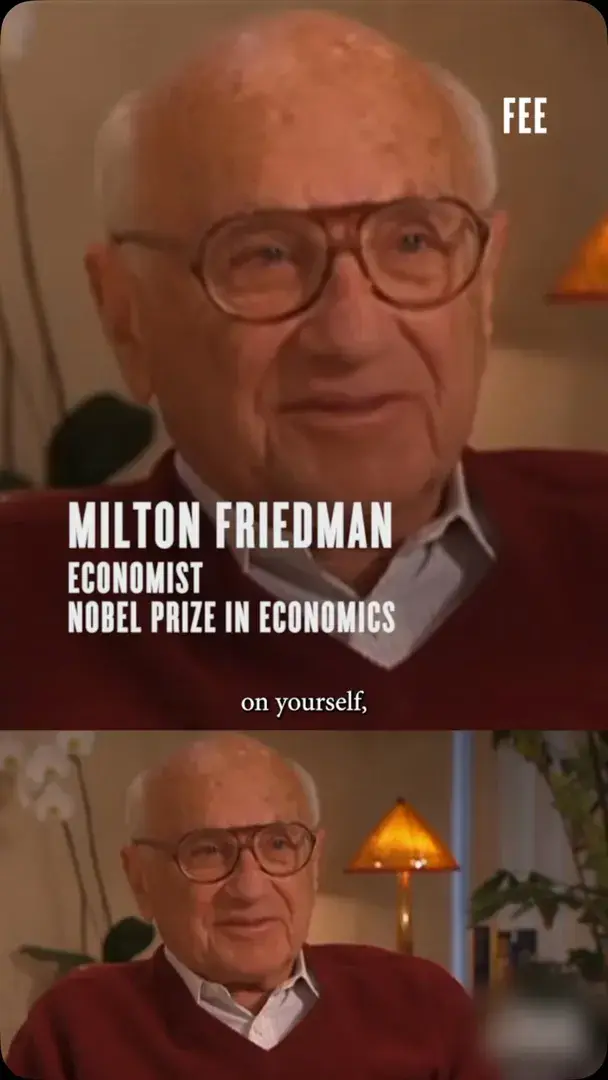 Milton Friedman understood that the way we spend money changes our incentives.Oct 8991 likes
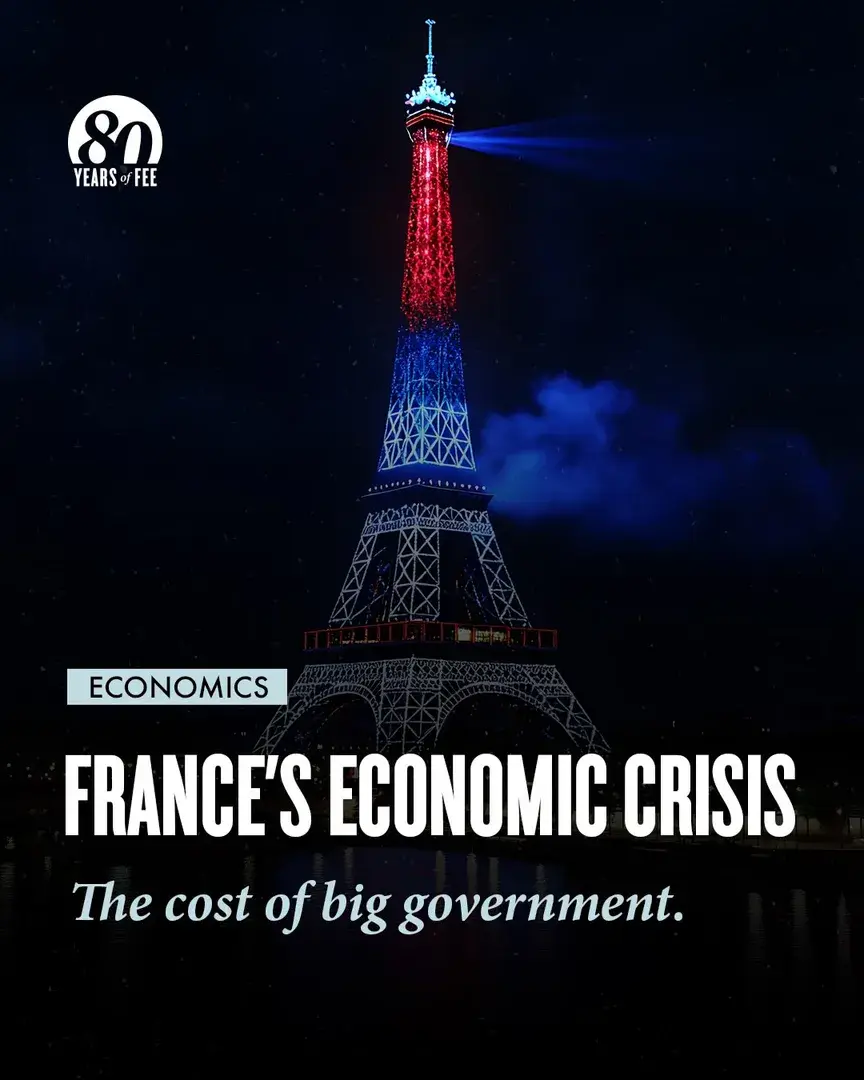 France’s economic troubles run deeper than the rising cost of living.Oct 21950 likes
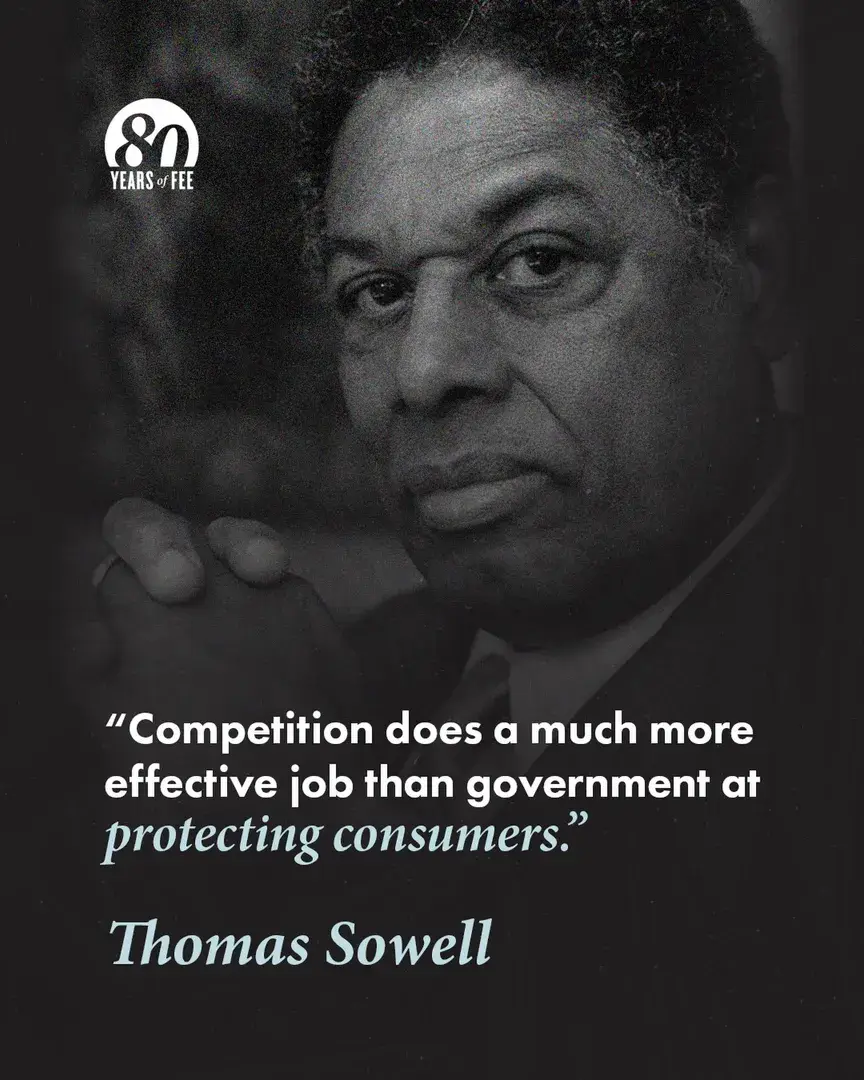 Thomas Sowell understood that consumers are often protected most effectively when…Oct 12744 likes
 Why the arguments for AI-socialist planning fail.Sep 6704 likes
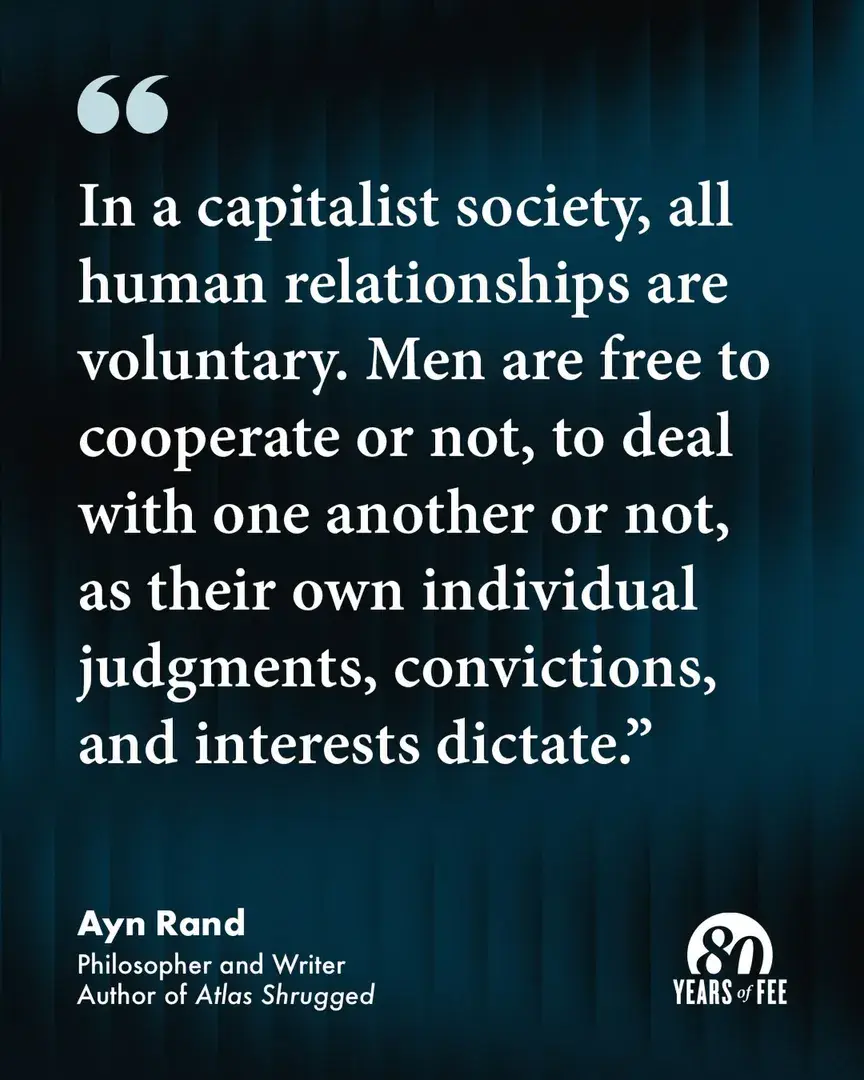 Ayn Rand saw capitalism as more than an economic system.Sep 21646 likes
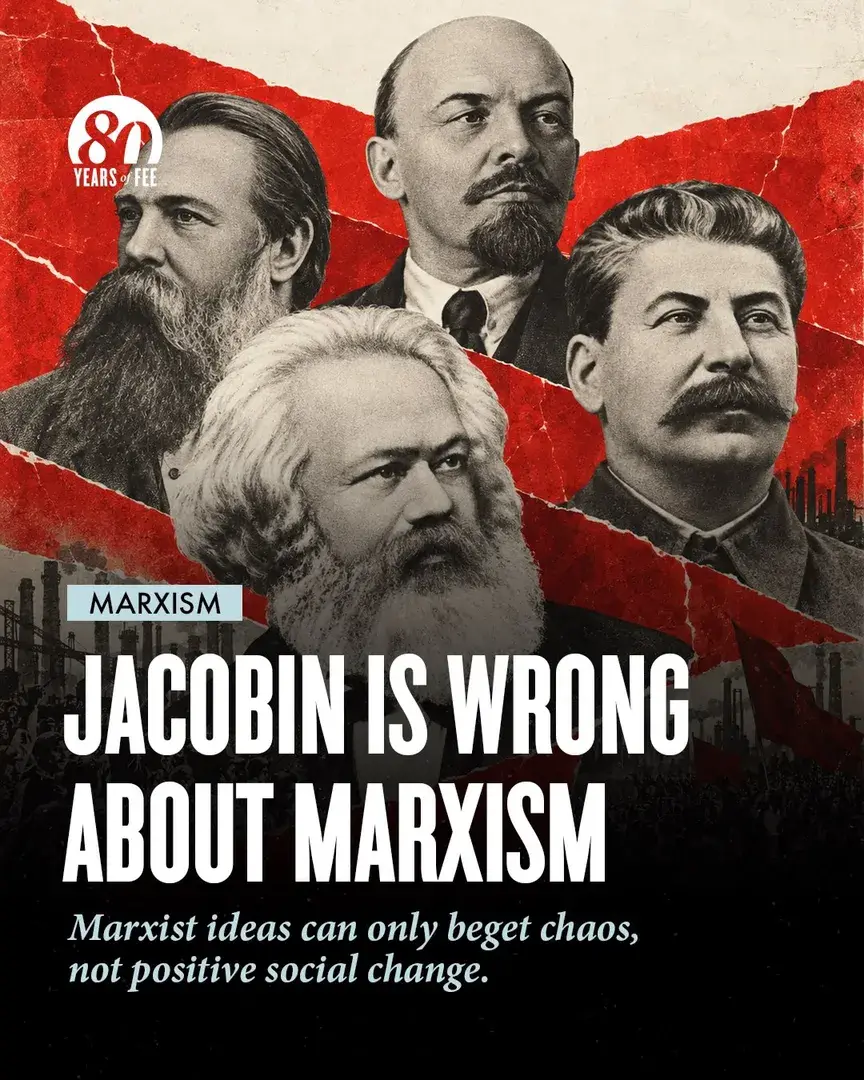 Marxist ideas can only beget chaos, not positive social change.Oct 11594 likes
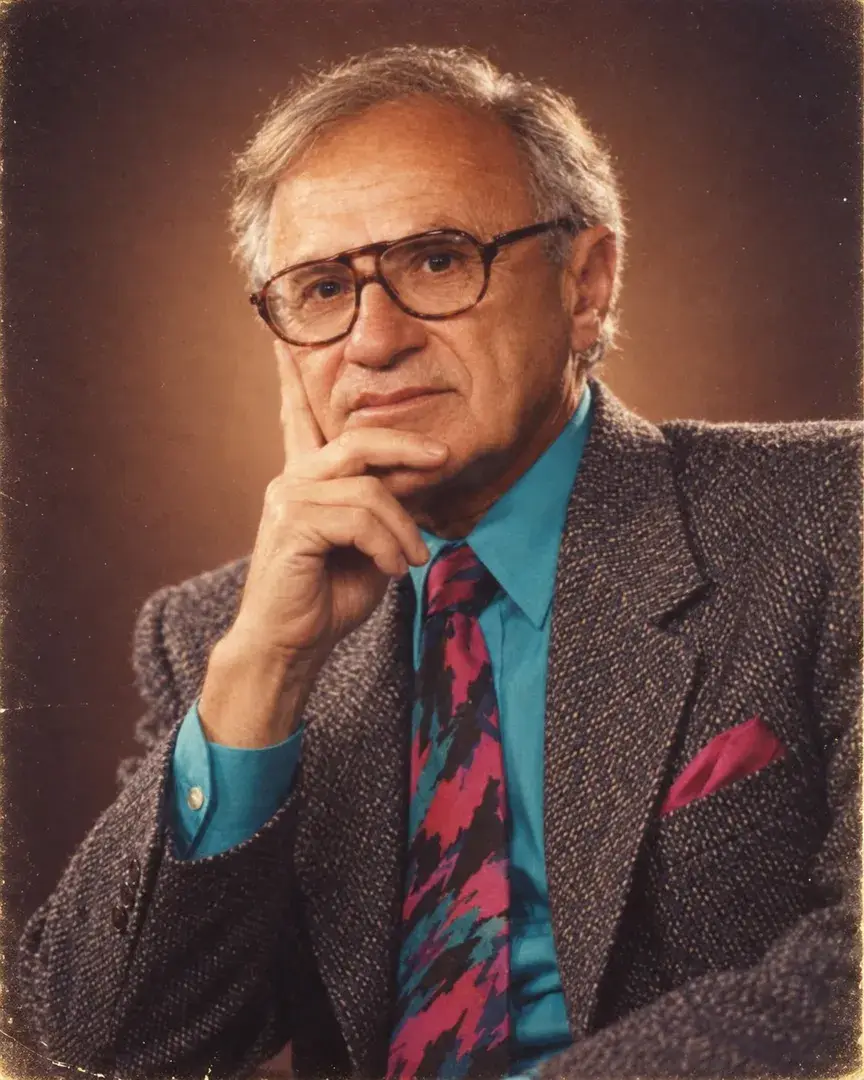 Hopping on the ’80s trend, but Milton Friedman was actually spending the decade bringing…Sep 13578 likes
 There is a strange inconsistency in attacking capitalism while celebrating the abundance…Sep 7571 likes
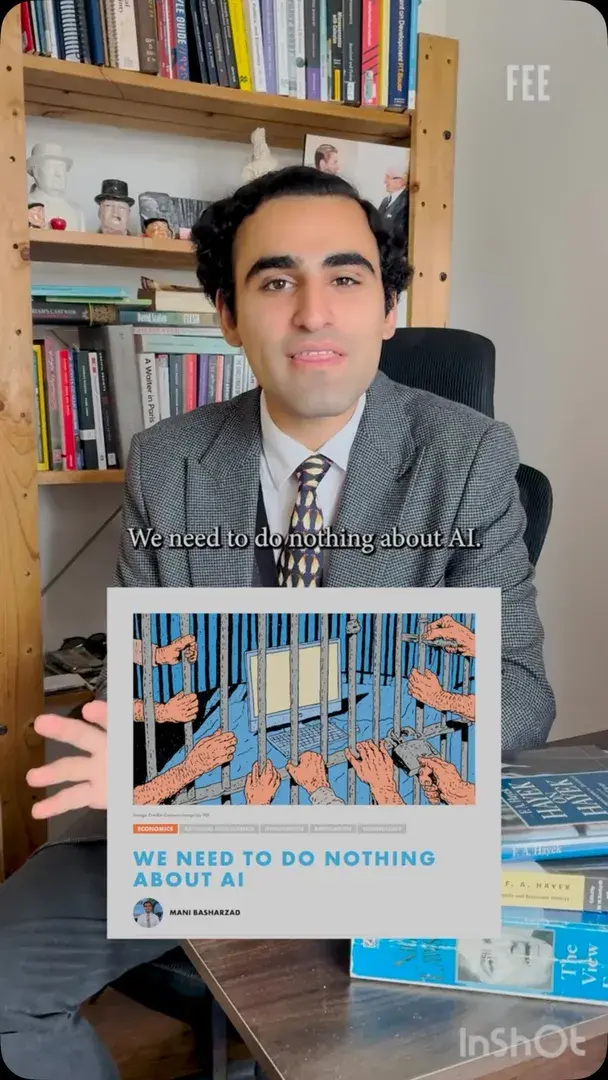 The reasons for regulating AI are far weaker than one could expect.Oct 1567 likes