


 Foundation for Economic Education


91 likes
Old television rules are colliding with 21st-century streaming.
Comment “Streaming” and we’ll send you an article that explores this further. When a company broadcasts World Cup matches for free on YouTube, regulators should not automatically treat that innovation as a problem to be classified, licensed, and burdened with old obligations. For much of the 20th century, broadcast regulation rested on a real constraint: spectrum was scarce. The internet changed that. Distribution became cheaper, audiences became easier to reach, and new creators could compete without asking permission from traditional gatekeepers. Yet many regulators still behave as if every new format must fit into boxes designed for another era. That mindset raises costs, slows experimentation, and protects established players that can afford compliance. Smaller firms, new platforms, and free models suffer most. Consumers lose when regulation turns innovation into paperwork. A free media market should begin with room to experiment, not with bureaucracy looking for a category.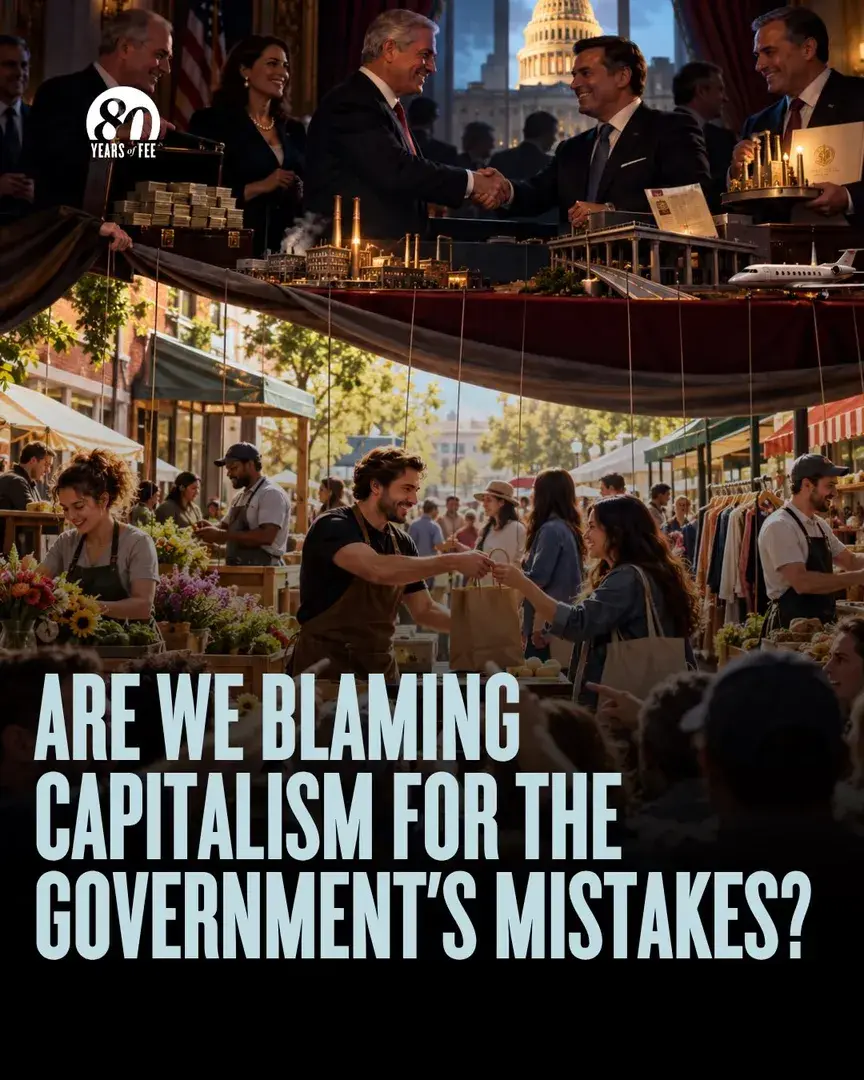 Capitalism should not be blamed for privileges created by government.Oct 231.1K likes
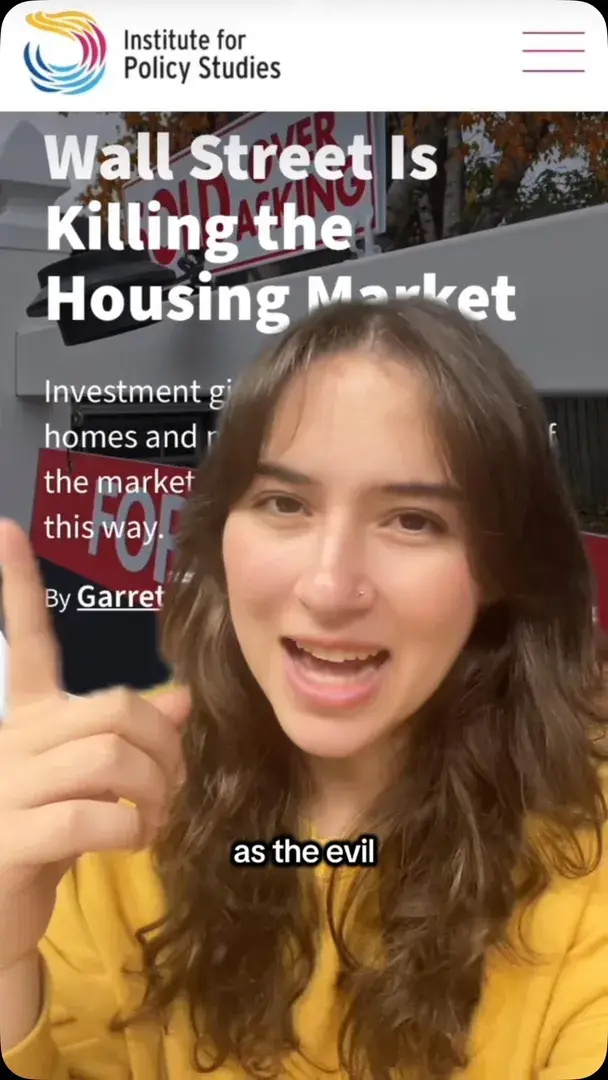 Wall Street makes an easy villain in the housing crisis.Oct 2299 likes
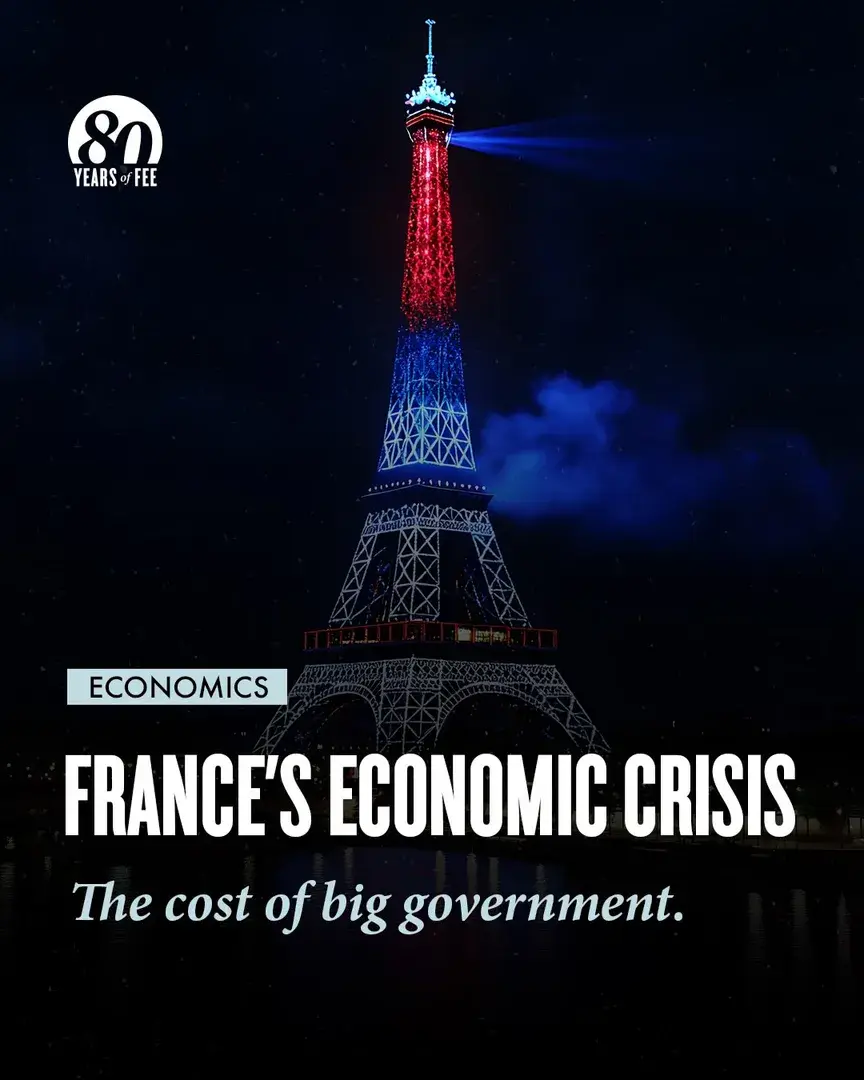 France’s economic troubles run deeper than the rising cost of living.Oct 21950 likes
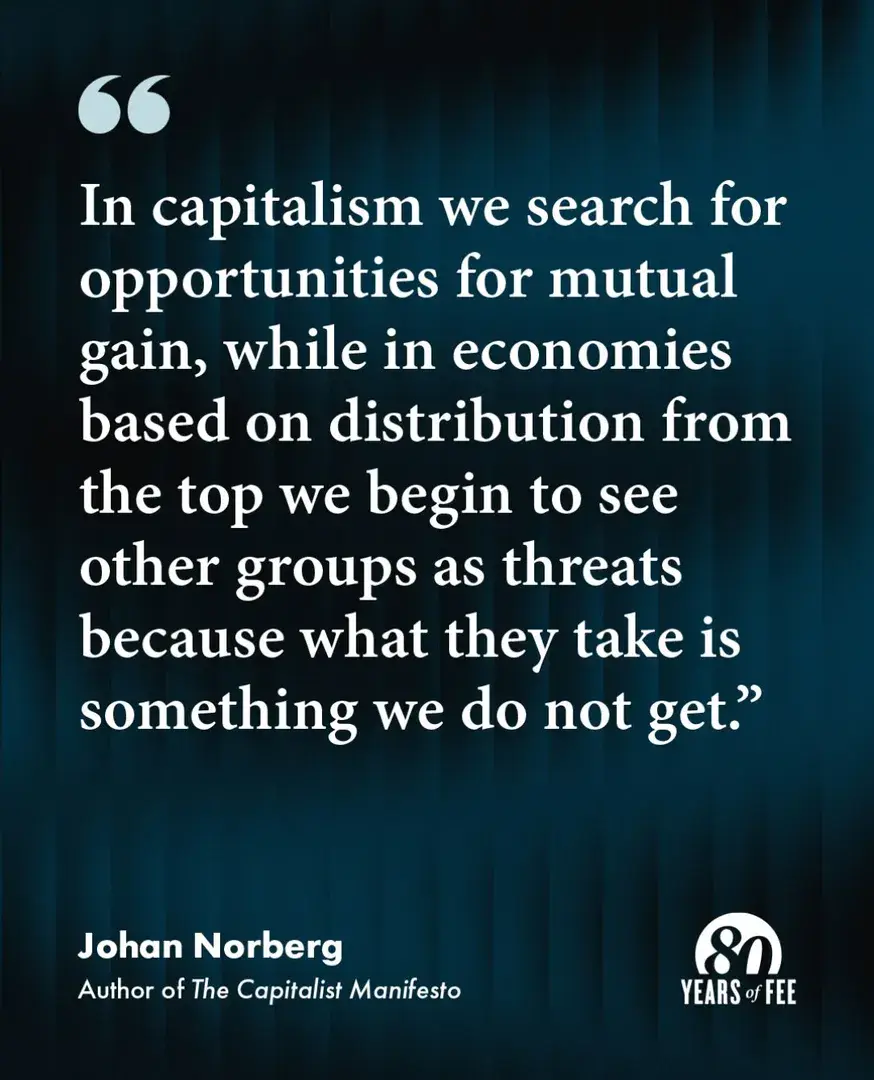 Free-market capitalism motivates you to serve others on their own terms…Oct 19353 likes
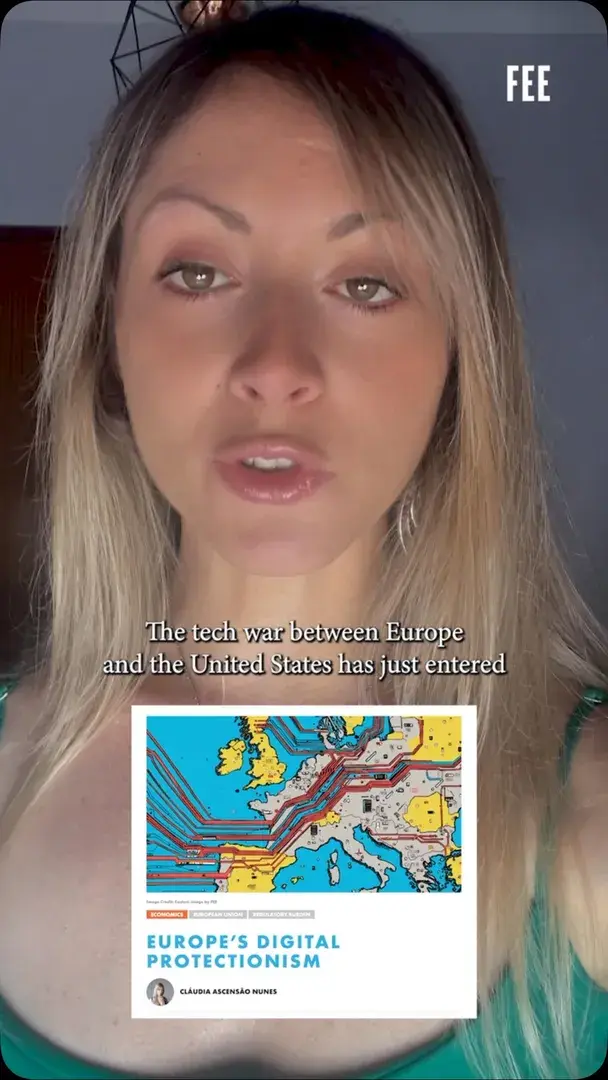 Europe wants technological sovereignty.Oct 17115 likes
 Rushing to regulate AI out of every hypothetical danger may create real ones.Oct 1656 likes
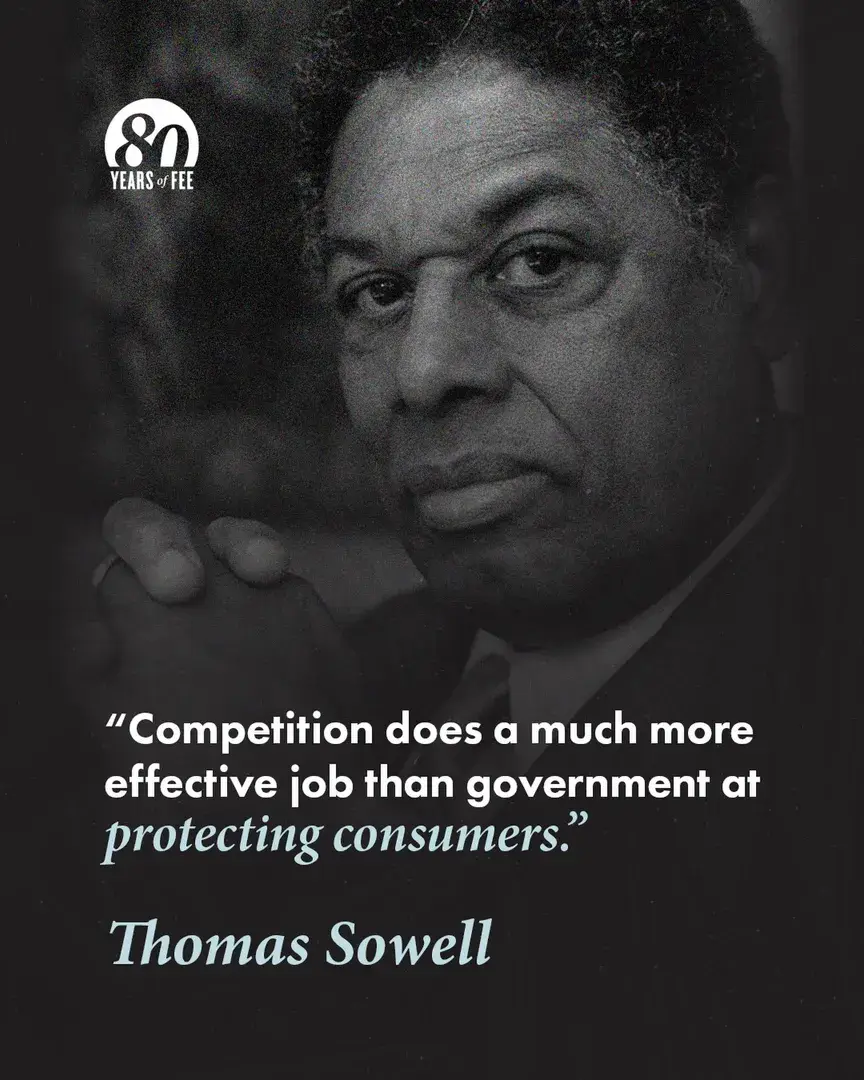 Thomas Sowell understood that consumers are often protected most effectively when…Oct 12744 likes
 Data centers are essential to modern life, storing everything from personal photos and…Oct 967 likes
 Daron Acemoglu thinks AI-driven unemployment could triple over the next decade.Oct 783 likes
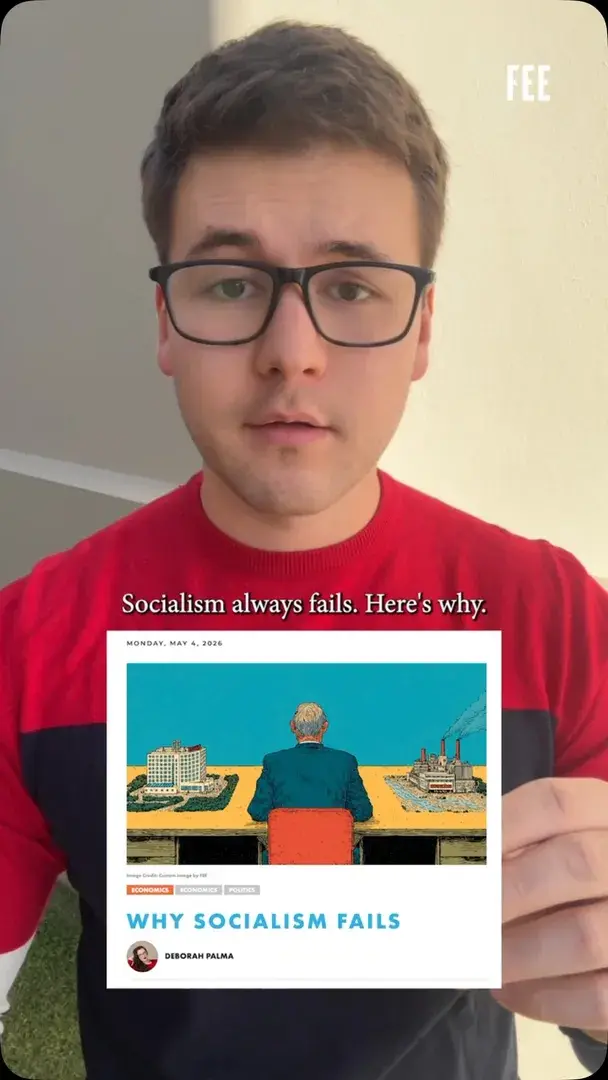 Socialism fails because planners cannot replace the information created by markets.Oct 3262 likes
 Criticizing capitalism is easy when capitalism is defined by its critics.Oct 2203 likes
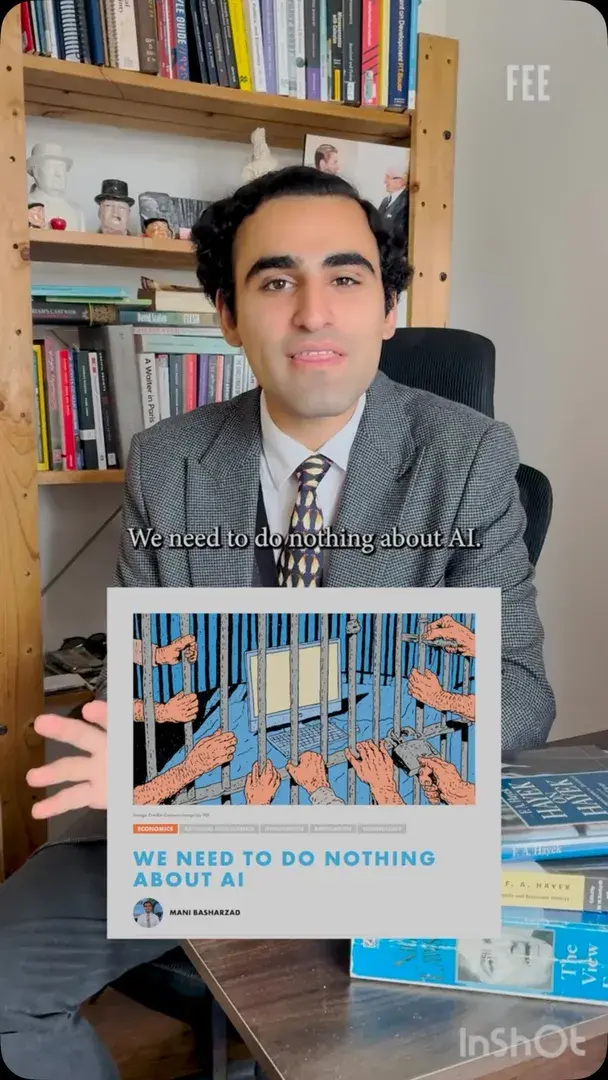 The reasons for regulating AI are far weaker than one could expect.Oct 1567 likes
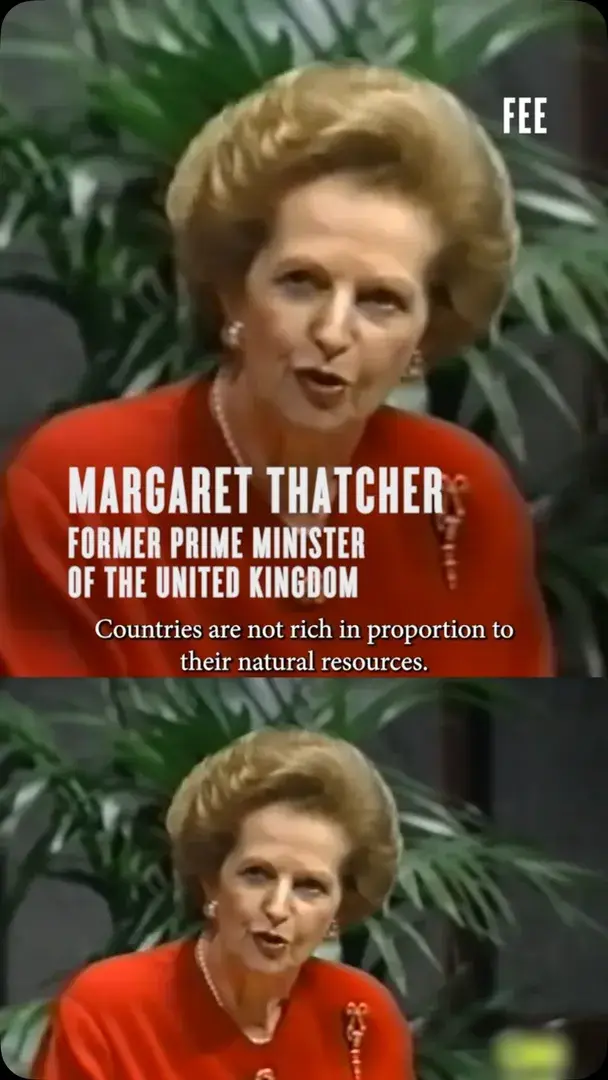 A country can be rich in natural resources and still be poor in opportunities.Sep 2920K likes
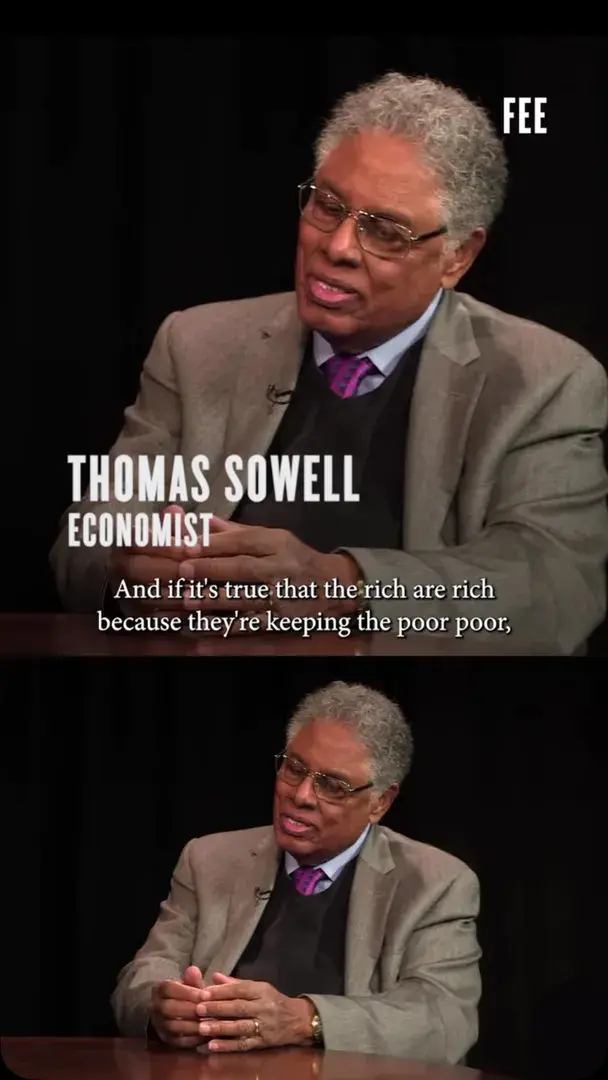 Thomas Sowell challenges one of the most persistent economic myths…Sep 191.7K likes
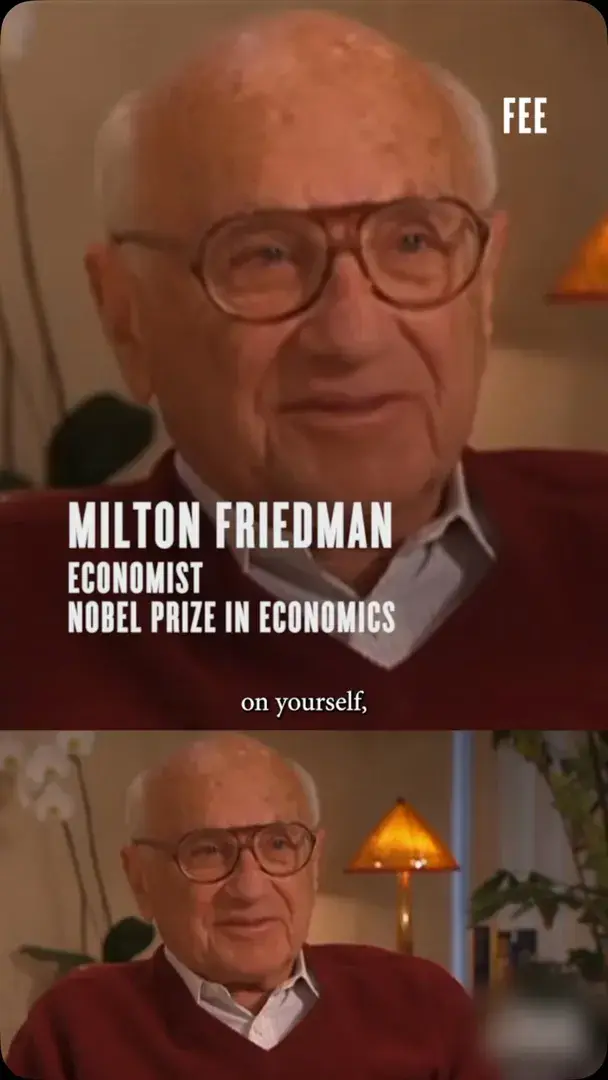 Milton Friedman understood that the way we spend money changes our incentives.Oct 8991 likes
 Why the arguments for AI-socialist planning fail.Sep 6704 likes
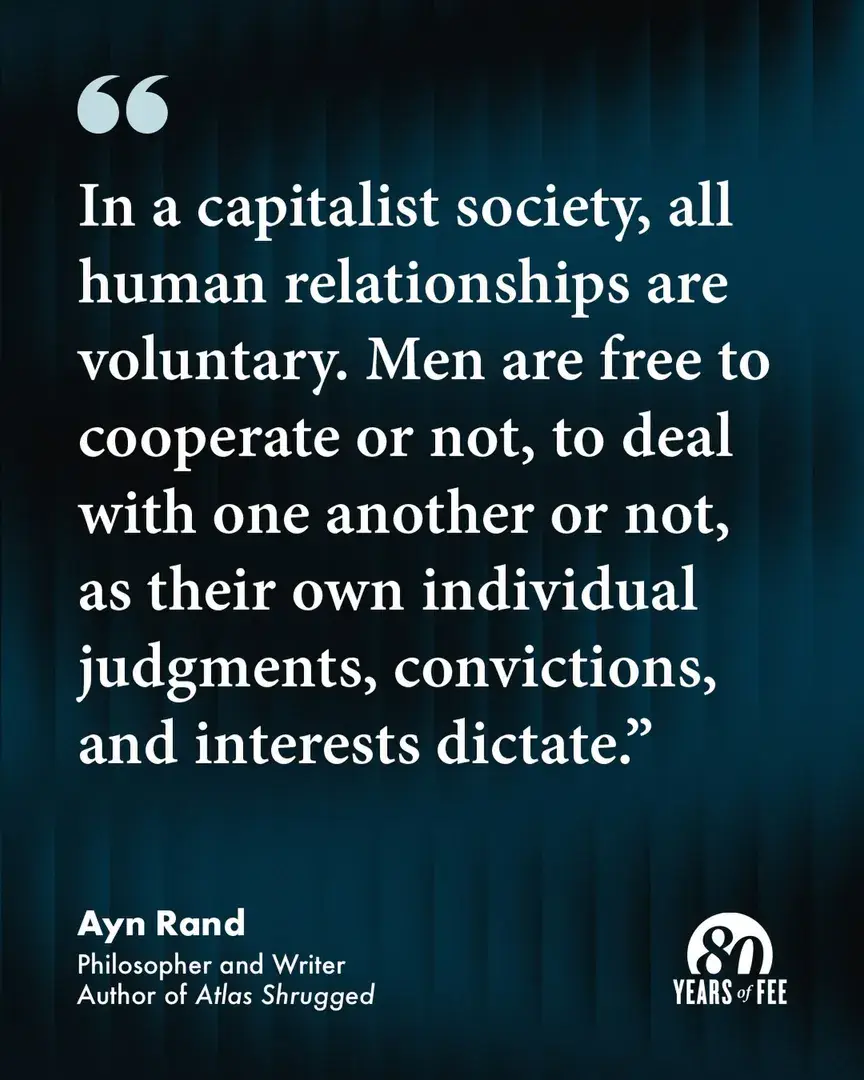 Ayn Rand saw capitalism as more than an economic system.Sep 21646 likes
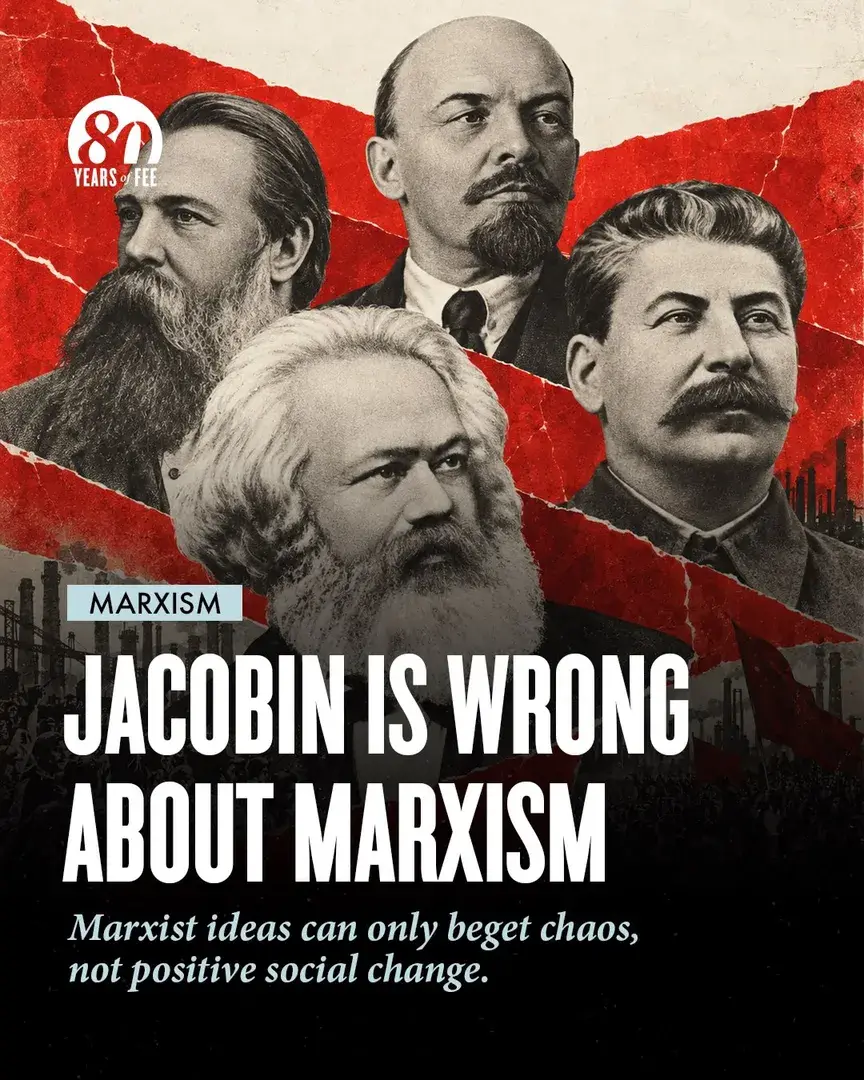 Marxist ideas can only beget chaos, not positive social change.Oct 11594 likes
 Hopping on the ’80s trend, but Milton Friedman was actually spending the decade bringing…Sep 13578 likes
 There is a strange inconsistency in attacking capitalism while celebrating the abundance…Sep 7571 likes
 Economics has always been a challenge to political conceit.Aug 27545 likes
 Can government-owned grocery stores really make food dramatically cheaper?Sep 22527 likes
 New York City is in a massive housing crisis, yet up to 50,000 apartments are sitting…Aug 30486 likes
 Rent control represents a classic economic paradox…Aug 31448 likes