

 Development in Gardening
Farmer Field Schools
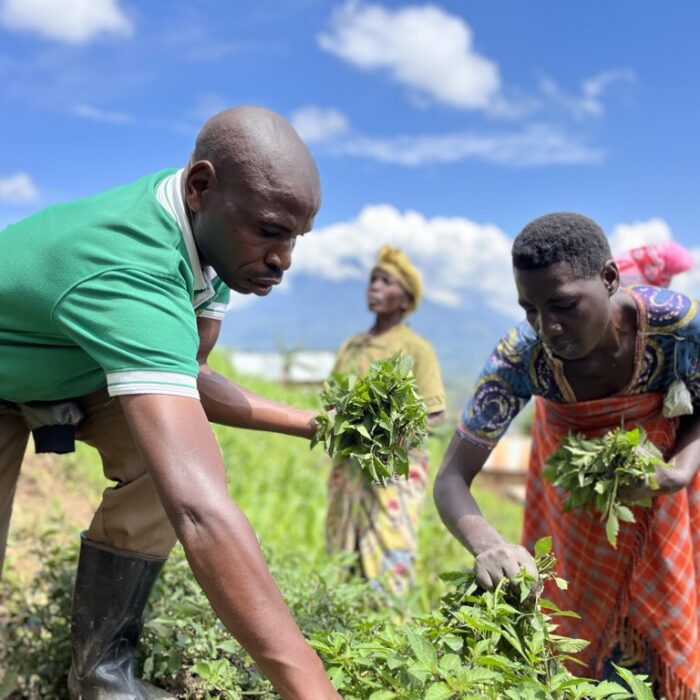
Through season-long, hands-on training, farmers learn regenerative practices that improve dietary diversity, strengthen yields, and build climate resilience while fostering peer learning and community leadership.
People living with physical disabilities, young mothers, people living with HIV, the elderly, widows, and others in Kenya
From dig.org/projects/mobile-farmer-field-schools ↗About this program
DIG's core program is adapted from the United Nations Food and Agriculture organization's (UN, FAO) Farmer Field School approach.
Rooting our trainings in nutrition sensitive and regenerative agriculture, we are able to prioritize uniquely marginazlied communities and build household resilience in their local food systems and advance food sovereignty.
In Kenya, we use this experiential learning model to reach people living with physical disabilities, young mothers, people living with HIV, the elderly, widows, and others.
Questions
What is the Farmer Field School approach based on?
DIG's core program is adapted from the United Nations Food and Agriculture organization's (UN, FAO) Farmer Field School approach.
Who does the program reach in Kenya?
In Kenya, we use this experiential learning model to reach people living with physical disabilities, young mothers, people living with HIV, the elderly, widows, and others.
Details
- Who
- People living with physical disabilities, young mothers, people living with HIV, the elderly, widows, and others in Kenya
- Where
- Kenya
Run by
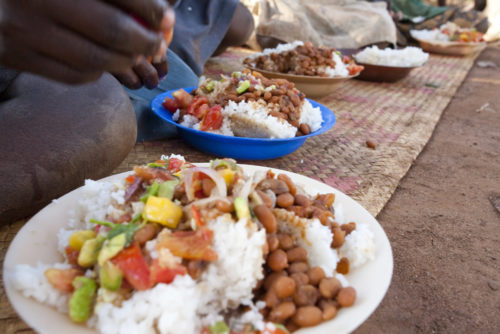 Priority Household ProgramIn partnership with local health providers, DIG supports families with malnourished children through intensive mentorship that combines home gardens, nutrition education, and caregiver support to address both immediate recovery and long-term resilience.
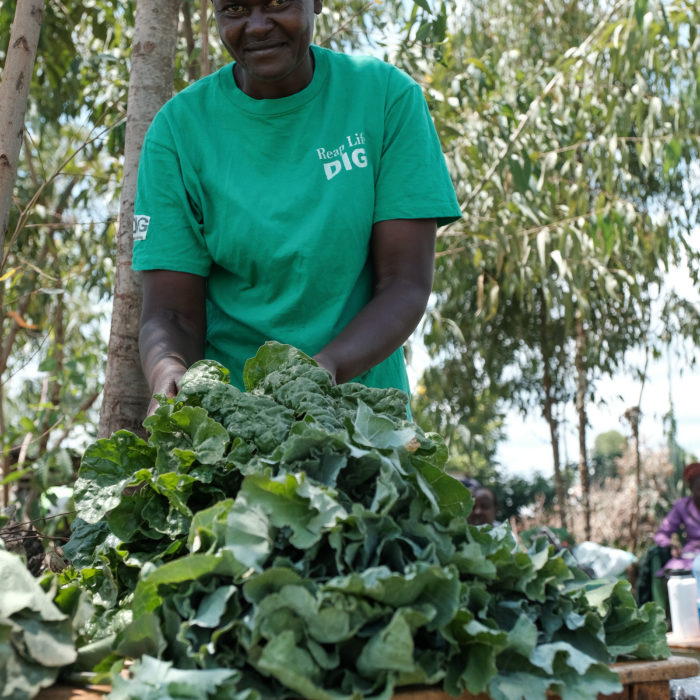 Farmer MicroCredit Program with TCP GlobalDIG supports farmers to access affordable inputs and expand production, strengthening household incomes and reinforcing the link between food security and financial resilience.
 The Indigenous Foods Preservation ProjectDIG is working to preserve and promote cultural heritage by reconnecting growers to their indigenous fruits and vegetables.