
Campaign URL Copy
Carolina Wetlands Association Newsletter.
Announcements
- Saturday, May 15 (10 AM) - Weymouth Woods Nature Preserve (Moore County, NC)
- Saturday, May 23 (10 AM) - Carolina Beach State Park (New Hanover County, NC)
- Saturday, June 5 (10 AM) - Richardson-Taylor Nature Preserve (Guildford County, NC)
Featured Article Blue Carbon: The Ecosystem Service Hidden Beneath Your Feet by Mackenzie Taggart
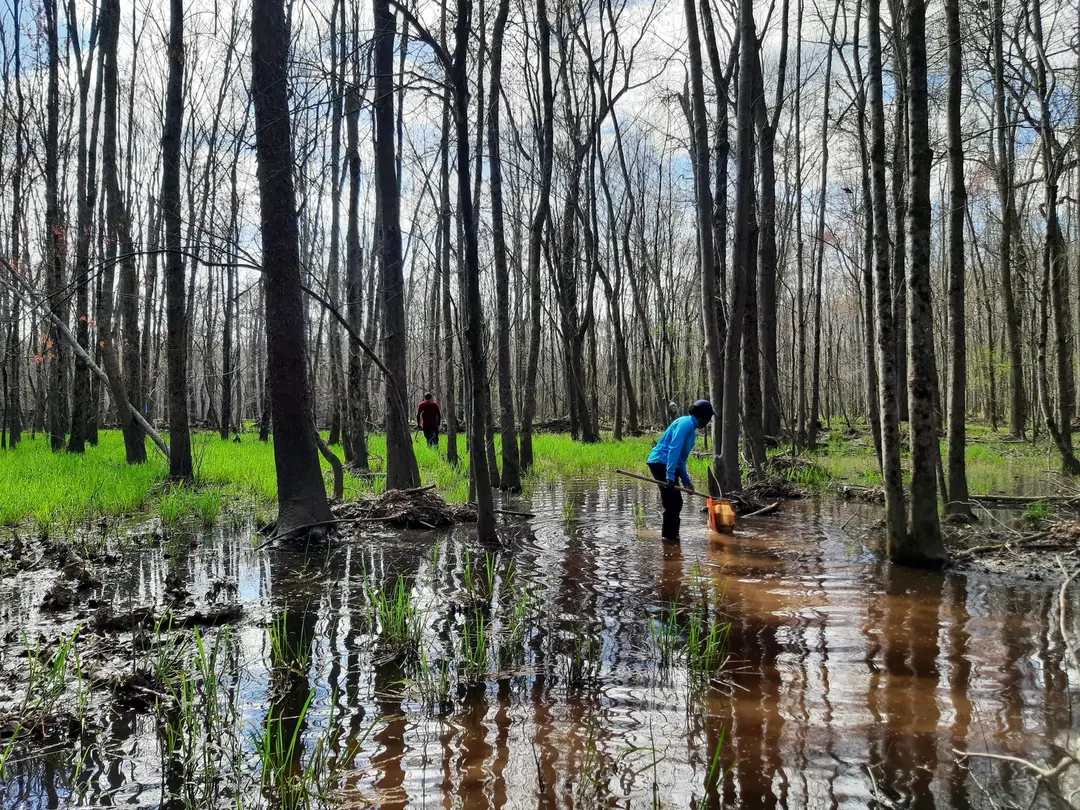
As climate change is accelerated by the release of carbon dioxide into the atmosphere, understanding how carbon is stored within ecosystems can influence the protection of lands at local, state, and federal levels. Carbon dioxide is removed from the air as plants absorb it and is stored within their leaves, stems, roots, and surrounding soils. While all plants remove carbon dioxide from the atmosphere, vegetation in coastal ecosystems like mangroves, seagrass beds, and tidal wetlands store the most carbon per unit area. This carbon storage is referred to as "blue carbon" because of its proximity to the ocean. The key to the heightened carbon storage capabilities of these ecosystems lies in the sediments below the vegetation. As plants grow and die back seasonally, some of the carbon they hold is stored within the soils of these ecosystems and becomes buried over time by sediment and additional carbon washed in at high tide. Over time, the soils of these ecosystems can build up large carbon stores becoming carbon "sinks". The continuation of coastal urban development worldwide is damaging and eradicating these vital ecosystems at unsustainable rates. As these ecosystems are removed, not only do they lose the ability to capture more carbon- they actually release portions of it back into the atmosphere. Protecting mangroves, seagrass beds, and wetlands is a vital step in combating climate change.
Wetlands in the News
Wetland Treasures of the Carolinas
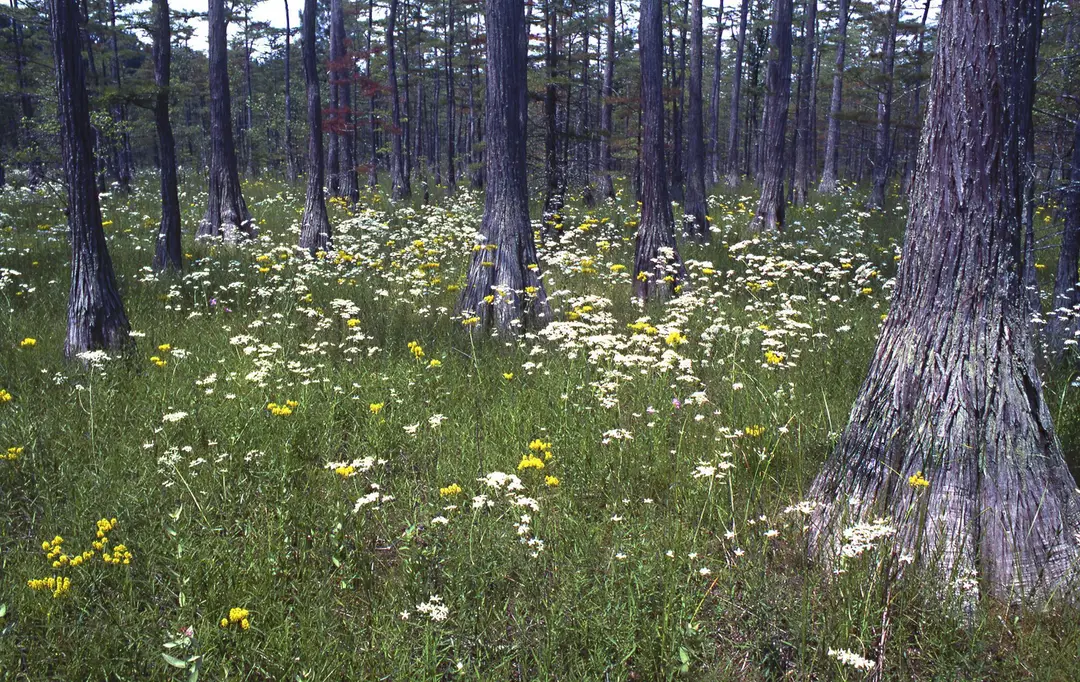
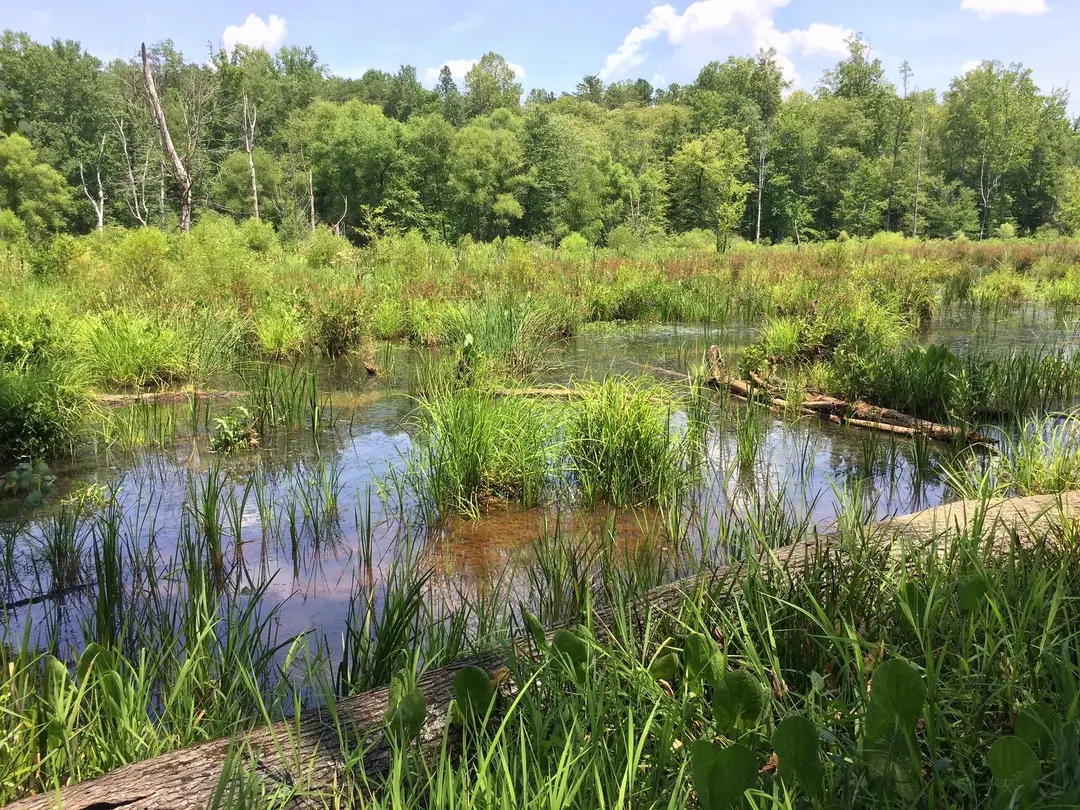
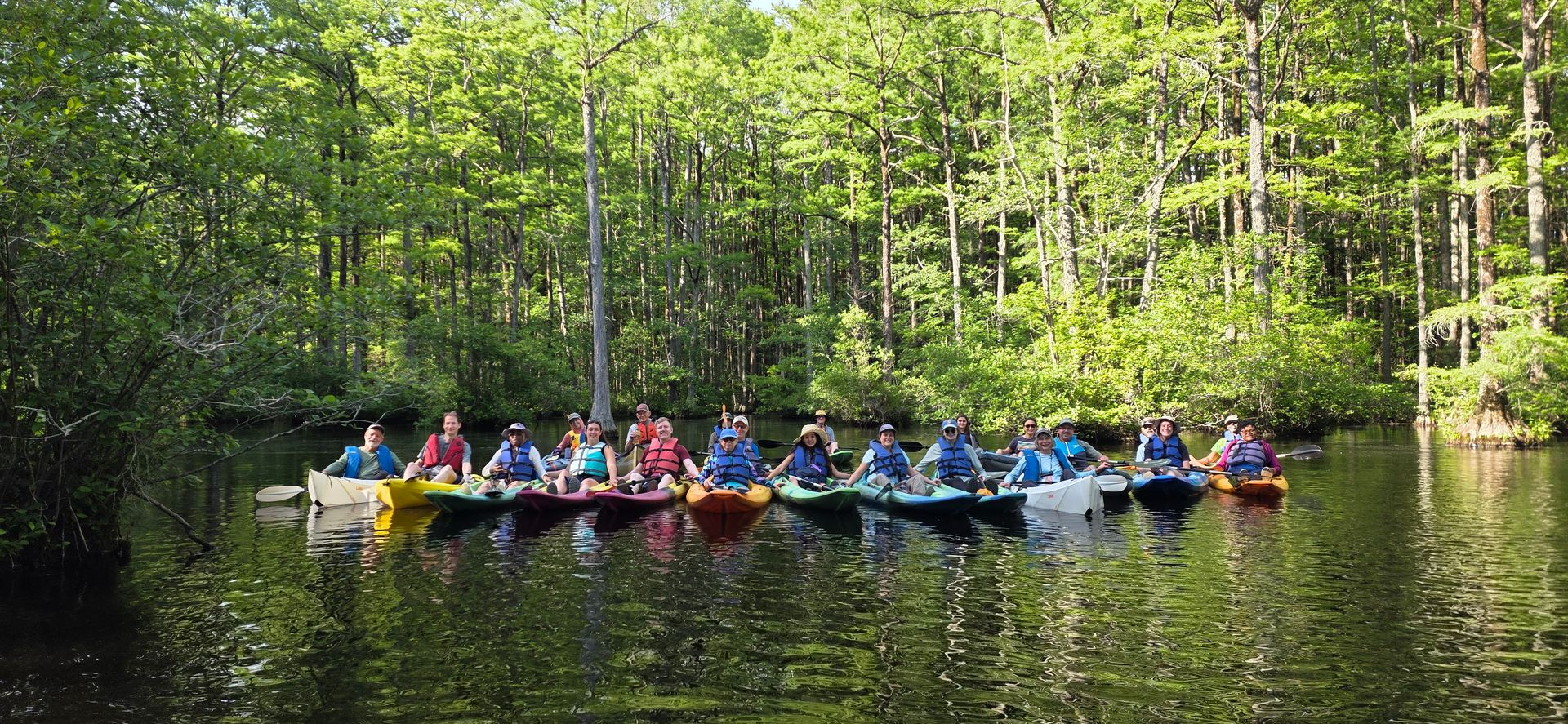
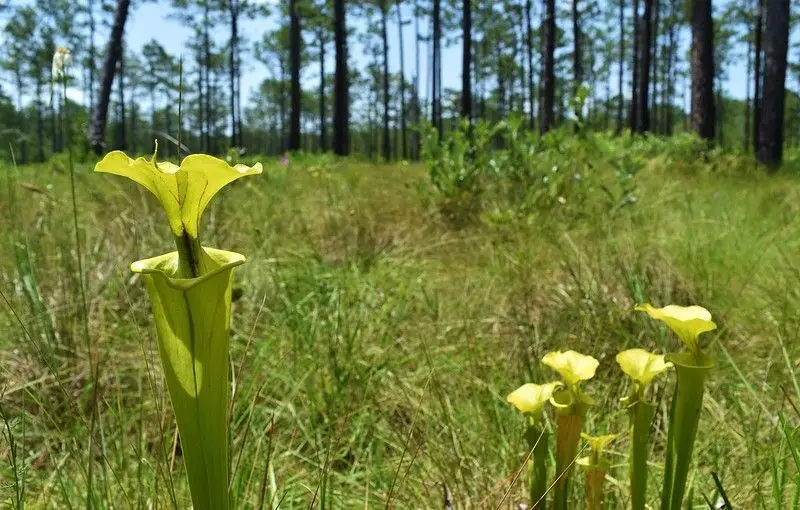
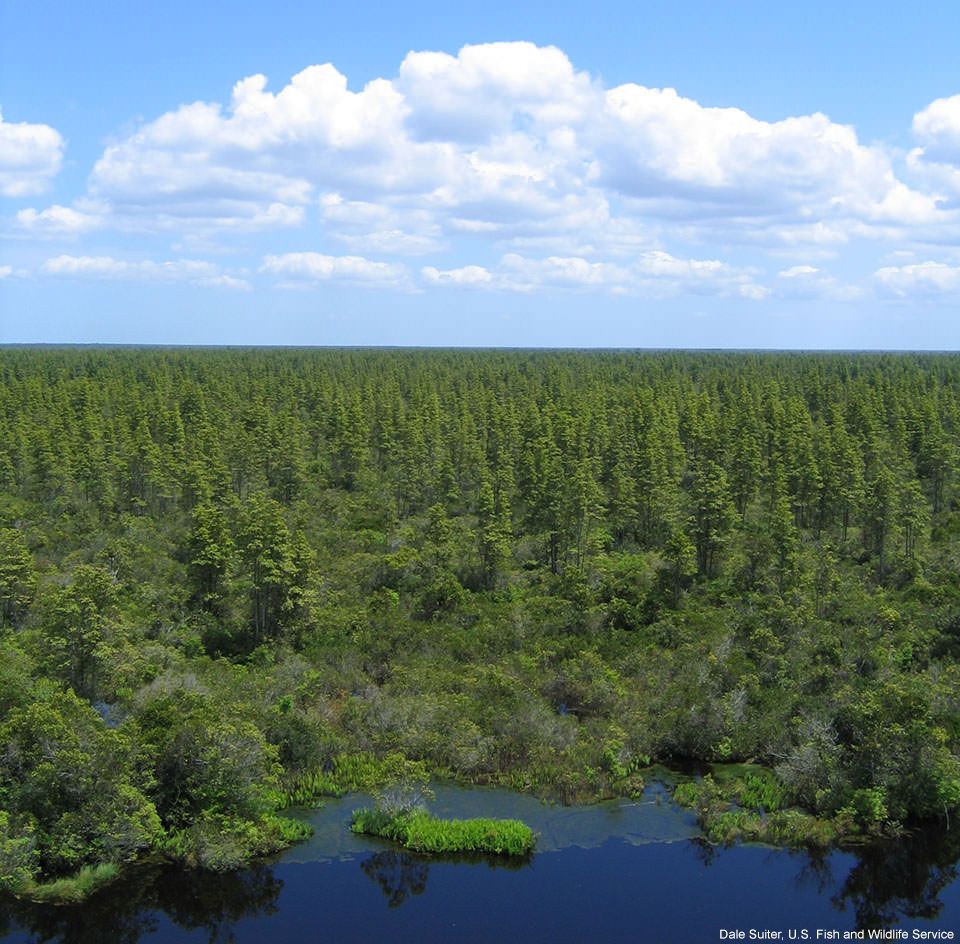
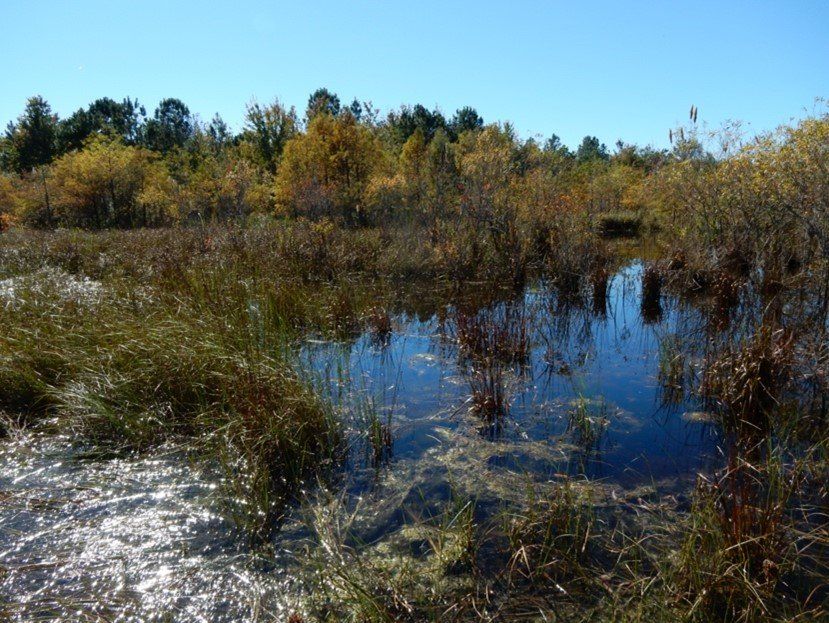
We are excited to introduce our 2021 Wetland Treasures of the Carolinas. Tours are available so be sure to reserve your spot. Click on the links to learn more about the geology and ecology of these incredible ecosystems.
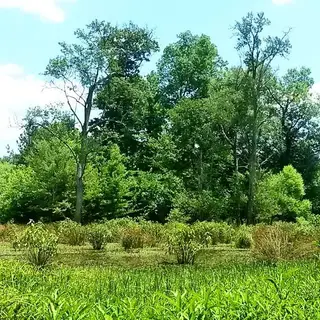
Carolina Beach State Park has almost nine miles of trails that take you to sand dunes on the Cape Fear River, the Flytrap trail, and numerous wetland areas. This 716 acre park has something for everyone to enjoy. Photographs taken by Sarah Morton.
Take Action for Smarter Development Standards Over the past few years, flooding has become a major concern for many Carolinians. As new urban developments are being built, the environment's ability to hold water is lessening due to decreased infiltration rates of rainwater. The Horry County Council will be voting soon on elevation requirements for new development projects. Please send a message to tell council members that you want new developments to be built at a higher elevation to protect both the environment and property.
Send Your Message
Upcoming Events May American Wetland Month - Featuring Wetland Treasures of the Carolinas 10th -12th Carolina Climate Resilience Conference [Read More]
May 15th: Walking Tour of Weymouth Woods Nature Preserve (10 a.m.) Registration
May 23rd: Walking Tour of Carolina Beach State Park (10 a.m.) Registration
May 26: Science Committee Meeting (Carolina Wetlands Association)
June
June 5th: Walking Tour of Richardson-Taylor Nature Preserve (10 a.m.) Registration
June 8th: Webinar about Wildlife Management: Grand Strand Healthy Pond Series (2 p.m. – 3:30 p.m.) Registration
Volunteer - Donate - Share our Story
Thank you to our 2021 Sponsors:
EcoTerra Consulting, LCC Jennings Environmental Kris Bass Engineering Land Mechanics Design Restoration Systems, LCC The Swamp School Water & Land Solutions Wetlands Solutions, LLC
This email was sent to <<Email Address>> why did I get this? unsubscribe from this list update subscription preferences Carolina Wetlands Association · P. O. Box 33592 · Raleigh, NC 27636 · USA