
Newsletter | March 26, 2026
In this week’s Voices:
- Where flooding happens—and what the maps miss
- Five ways Atlanta could better prevent flooding
- A closer look at the costs and tradeoffs of a stormwater utility
- Join us Saturday for a free community listening workshop
Send your feedback about this newsletter to hello@canopyatlanta.org.
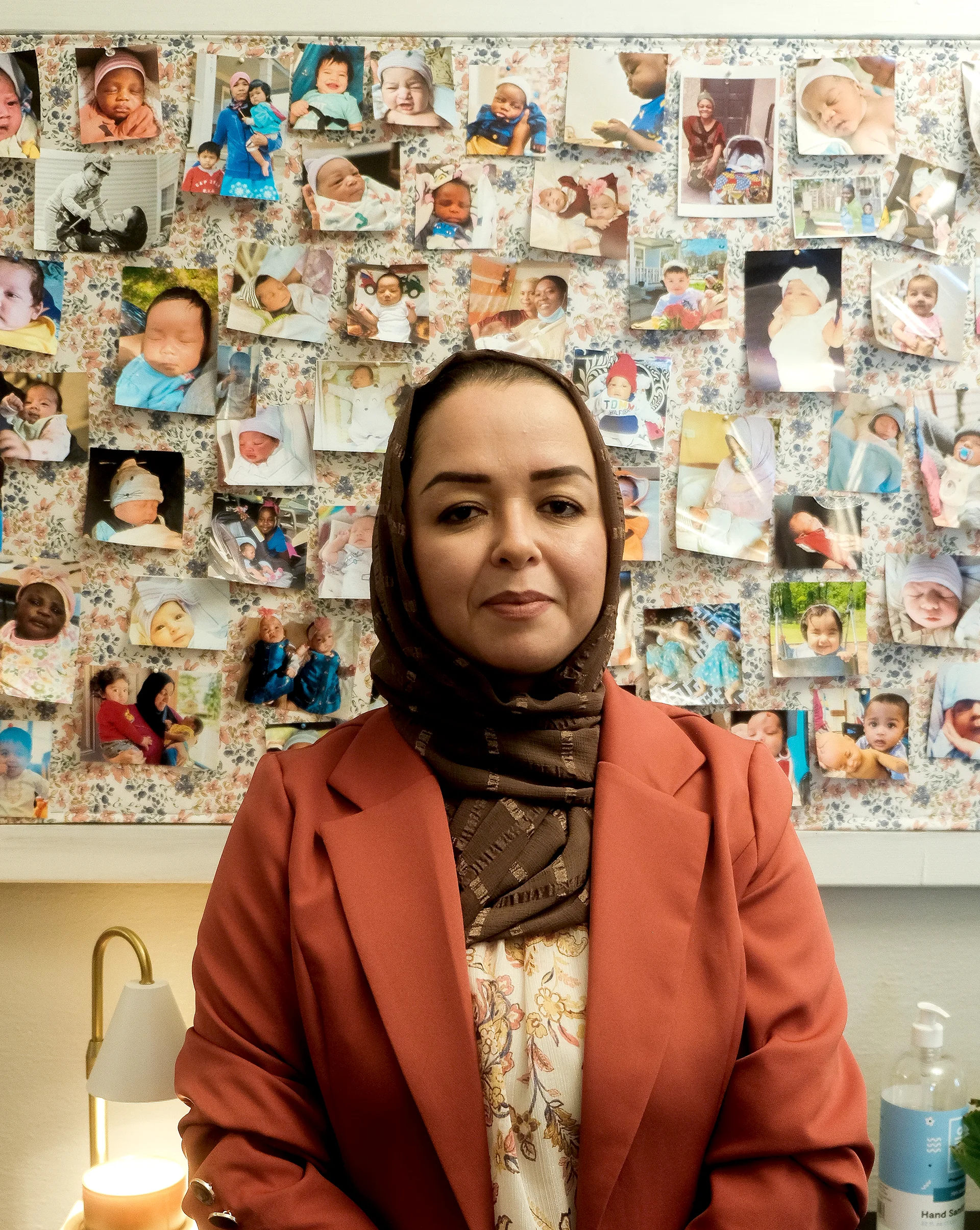
By Genia Billingsley
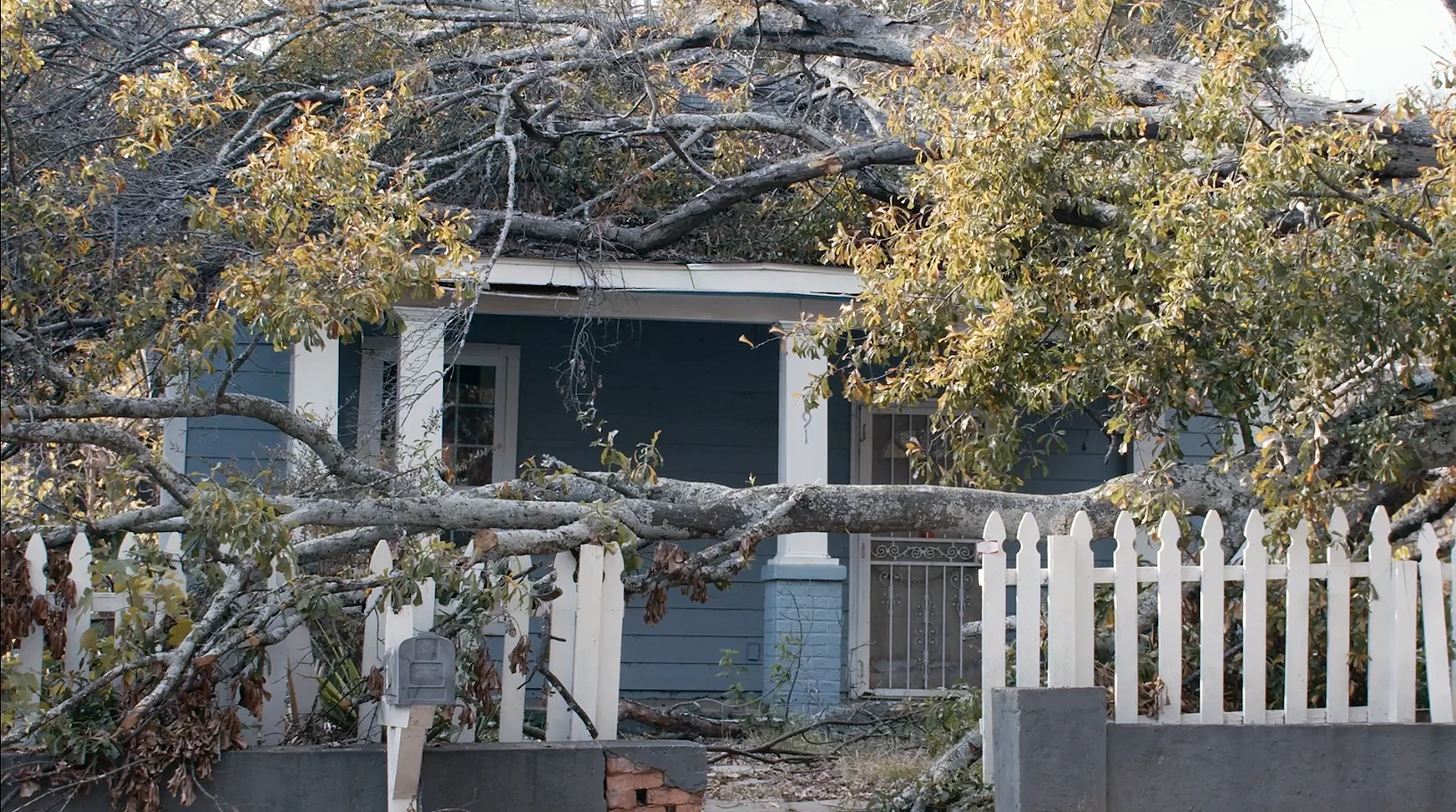
Across Atlanta, residents navigate flooding as a regular part of life, not a rare event.
Canopy Atlanta participated in a panel discussion at the annual Parks & Greenspace Conference on Monday that centered a question many Atlanta residents know all too well: “Why does Atlanta flood?”Moderated by author Hannah Palmer, the panelists included Genia Billingsley, community journalist with Canopy Atlanta; Darryl Haddock, special projects director at West Atlanta Watershed Alliance; and Daniel Krasner, research manager focused on urban policy and data storytelling.
Each panelist opened with a personal flooding story, grounding the conversation in lived experience. And what quickly became clear is that, even though Atlanta is not a coastal city, flooding stories are not hard to find when you talk to the people.
One of the strongest points of agreement among panelists was this: flooding in Atlanta doesn’t always follow official floodplain maps. This disconnect between mapped risk and lived reality raises important questions about how we understand—and respond to—flooding in our city.
One audience member raised the historical context—challenging us to consider how the way homes were built and access was created along Proctor Creek on Atlanta’s Westside is rooted in racial discrimination. This reminder underscored that flooding is not just an environmental issue, but a direct result of historic planning decisions that continue to shape present-day vulnerability.
As the conversation unfolded, it became clear the answer depends on more than design. It requires listening to community experiences, investing in infrastructure where it’s long been neglected, and rethinking how we define and measure risk.
“In Atlanta, the map doesn’t always tell the full story, but the people do. And if we’re serious about building flood-resilient communities, then we have to start mapping what the maps have missed.”
—Genia Billingsley, Community Reporter
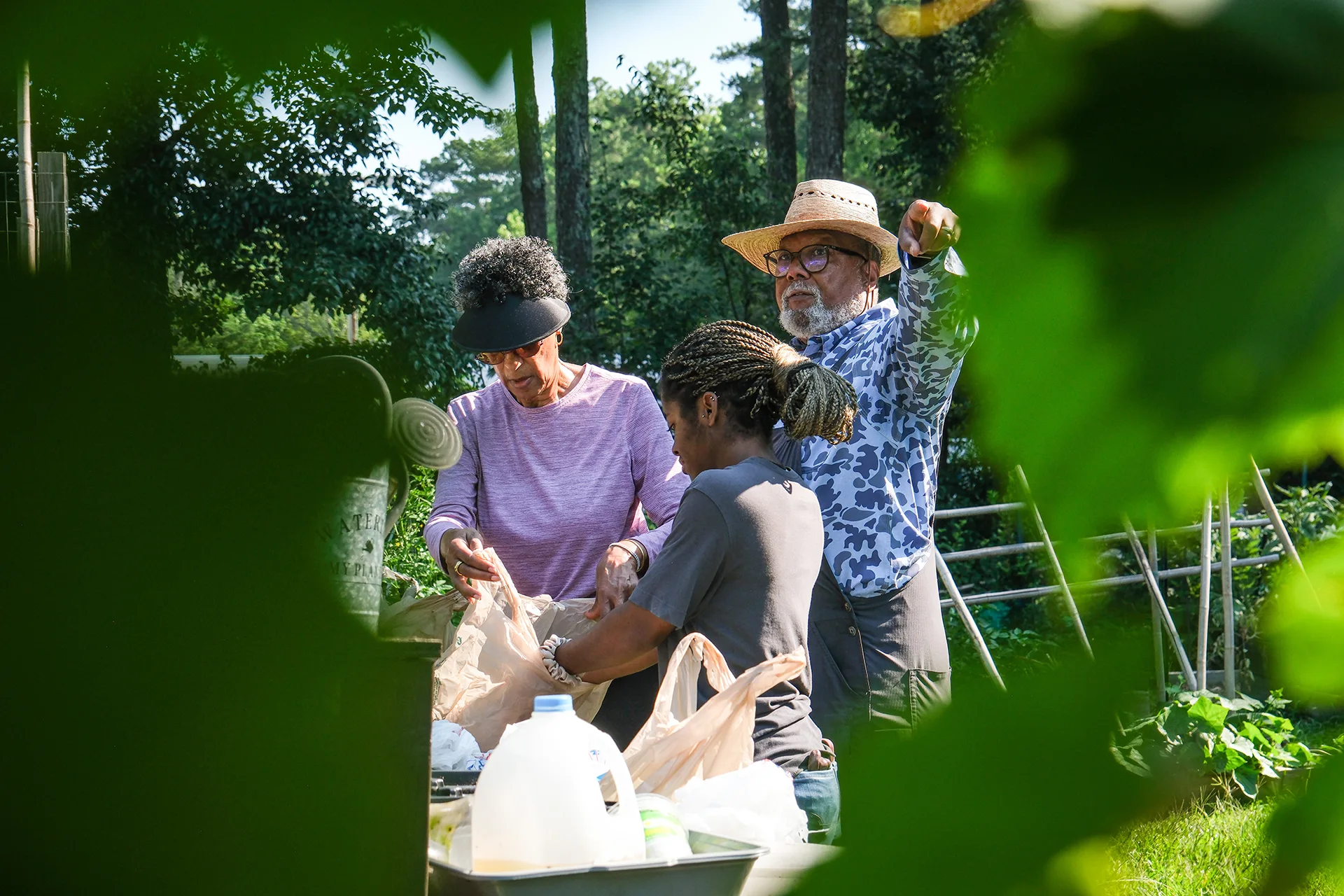
By J.P. Irie
When Atlanta floods, it’s often not for lack of solutions but lack of follow-through. When the Creeks Rise spoke with Sarah Ledford, a Georgia State University associate professor and urban hydrologist, about what the metro could do differently.
Many flood-prevention tools and policies exist but suffer from weak oversight and enforcement. Atlanta has so many competing priorities—like creating affordable housing and addressing public safety—that some inevitably fall behind.
By Sean Keenan
Water knows no prejudice, but a storm’s impact depends on who you are and where you live. Elevation matters—much of Buckhead sits higher than Bankhead—but so do decades of planning decisions, and a long history of racist civil engineering has left many of Atlanta’s lowest-income communities disproportionately vulnerable to flooding.
Now, city leaders are weighing a way to fund rain management: a proposed stormwater utility set to take shape later this year. Supporters say it would finally create a dedicated, reliable funding source to fix chronic flooding. Critics warn it would add yet another monthly bill for residents already stretched thin.
Join Canopy Atlanta and Atlanta Voice for an interactive workshop focused on strengthening how we listen to and learn from our communities.
This session will introduce the Canopy listening model: an approach rooted in trust, curiosity, and respect for lived experience.
You’ll learn how to:
- Ask open-ended, meaningful questions
- Listen for themes, not just answers
- Build trust through conversation
- Capture stories that reflect real community voices
📅 Saturday, March 28, 11 a.m. to 1 p.m.
📍 Location: 633 Pryor Street SW, Atlanta, GA 30312
Copyright © 2026 Canopy Atlanta, All rights reserved.Reading this newsletter online or forwarded from a friend?
Want to change how you receive these emails?You can update your preferences or unsubscribe from this list.