


Toxic Free NC joins a global campaign to ban paraquat
Impact
 202521Farmworkers and families graduated from the third cohort of the Environmental Justice Academy in SpanishRead by Collective
- 202592Spray Free Zone yard signs in English and Spanish distributed across NCRead by Collective
 2025200+Soil samples tested for lead and other contaminants for concerned residents near Durham parksRead by Collective
- 2024 report5legal suits for clean water and polluter accountabilityRead by Collective
From Toxic Free North Carolina’s own reports, website and posts, read by Collective. Tap a number to see where it comes from.
Get involved
Latest
 Nov 19We are adding our voice to the organizations and community members calling for a stop to BAAJA.Packaged as an across-the-aisle bill that promotes progress, the deceptively named Bipartisan American Affordability and Jobs Act is simply just a bipartisan mistake that we would have to pay for. Visit the link in our bio to learn more and to add your name to our action alert. #STOPBAAJA #noBAAJA #ToxicFree
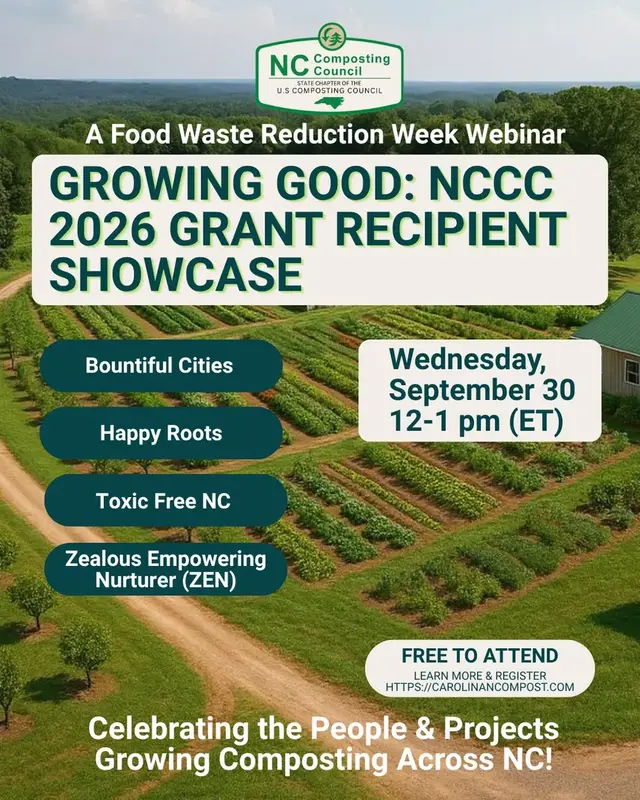 We've been excited to see all the ways farmers can engage with composting.♥ 31 · Sep 16
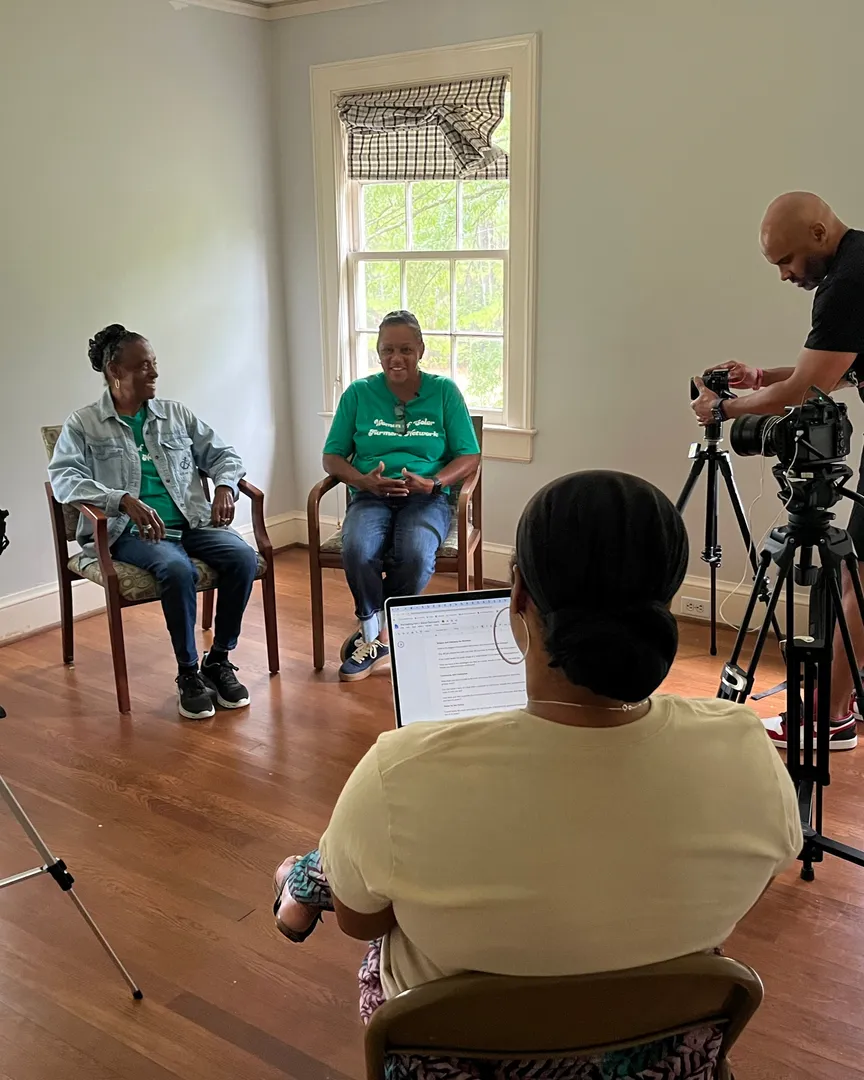
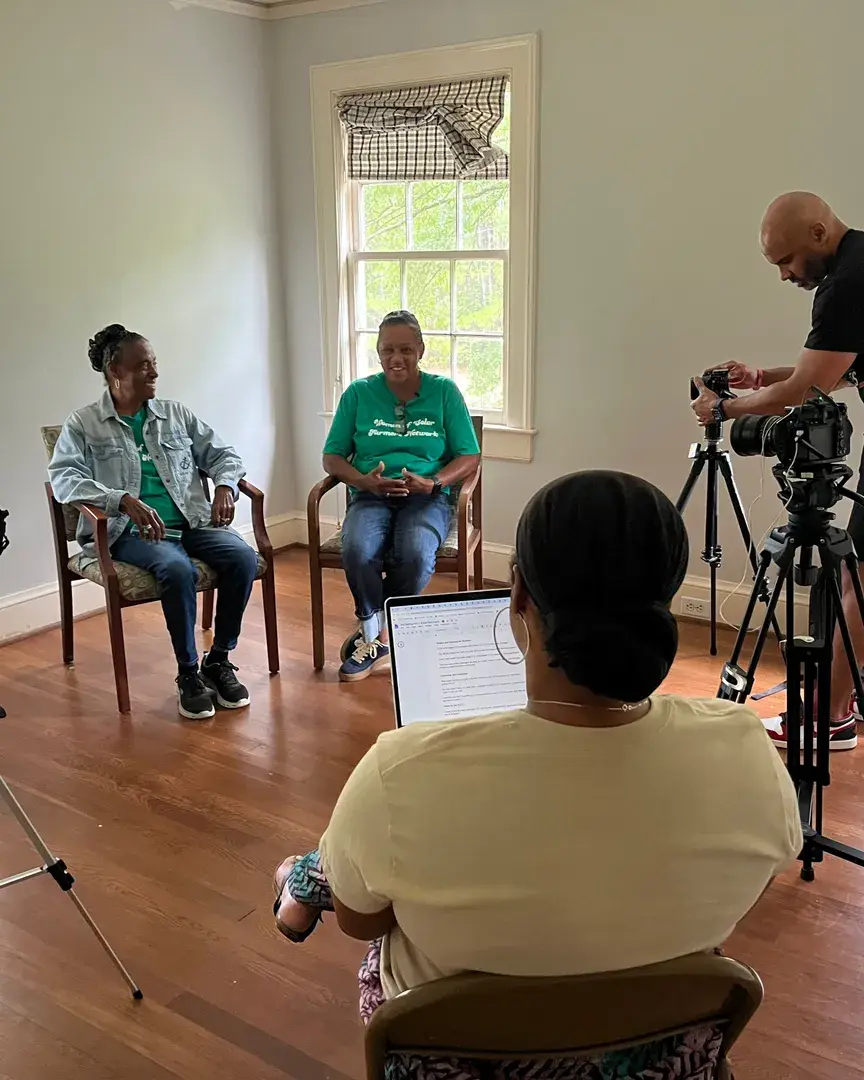
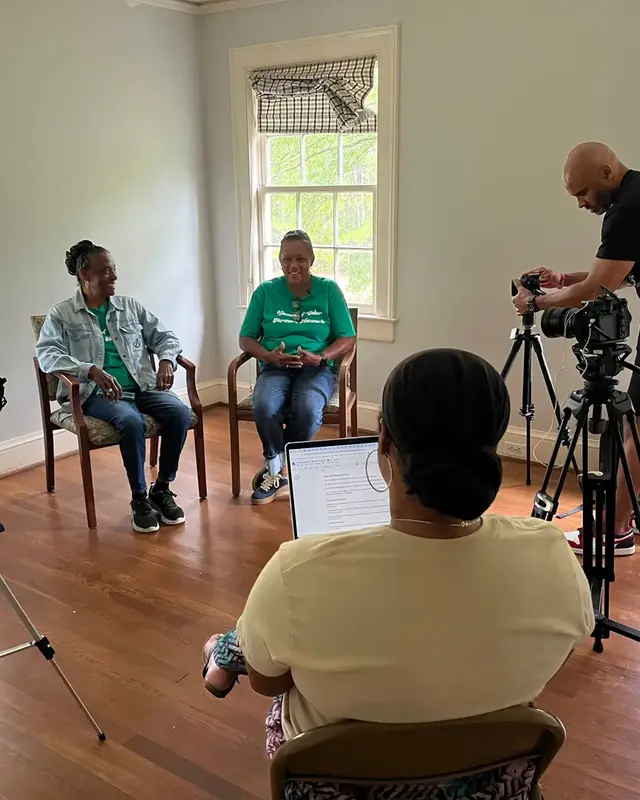 As the growing season nears to a close, Women of Color Farmers Network members…♥ 18 · Oct 29
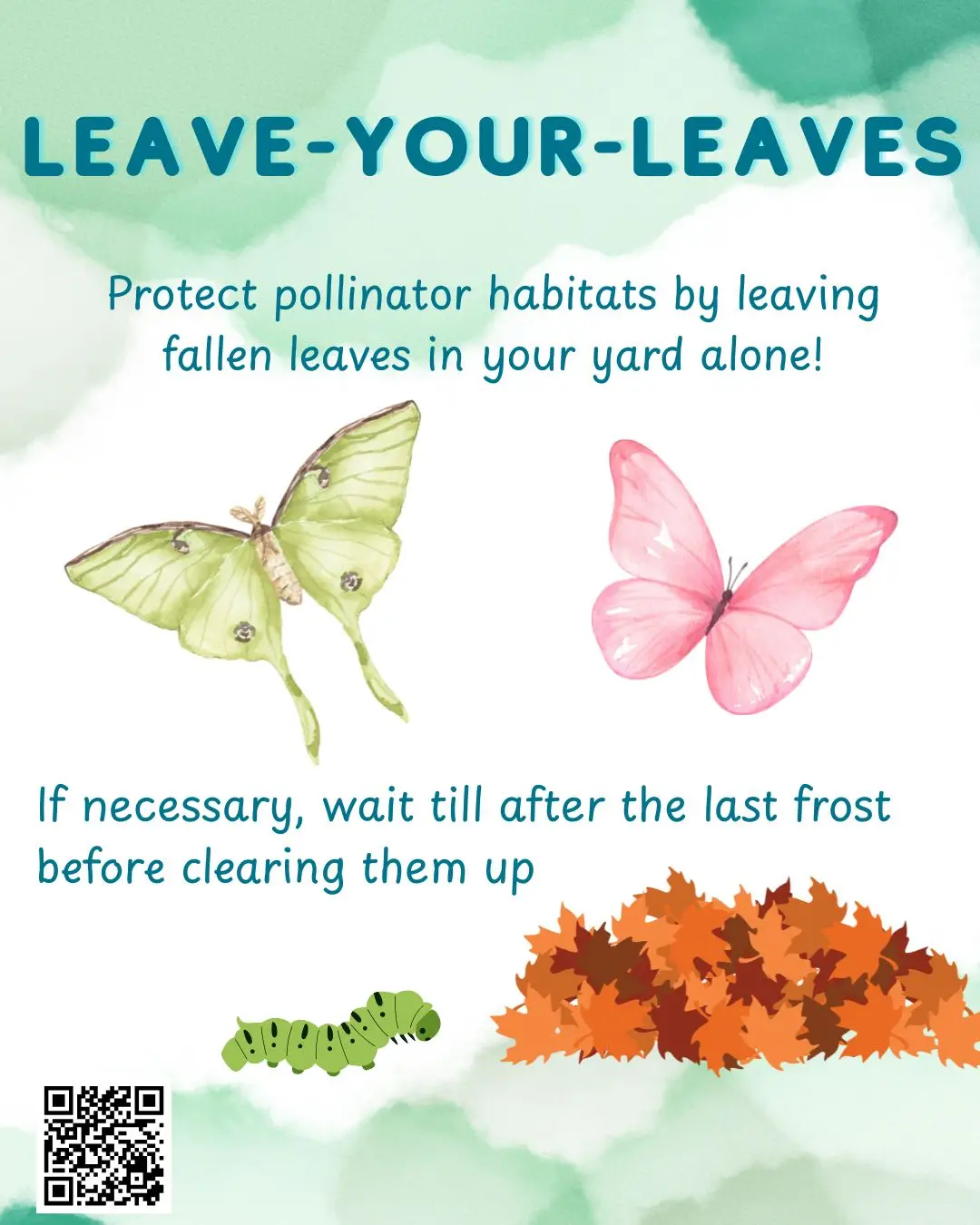
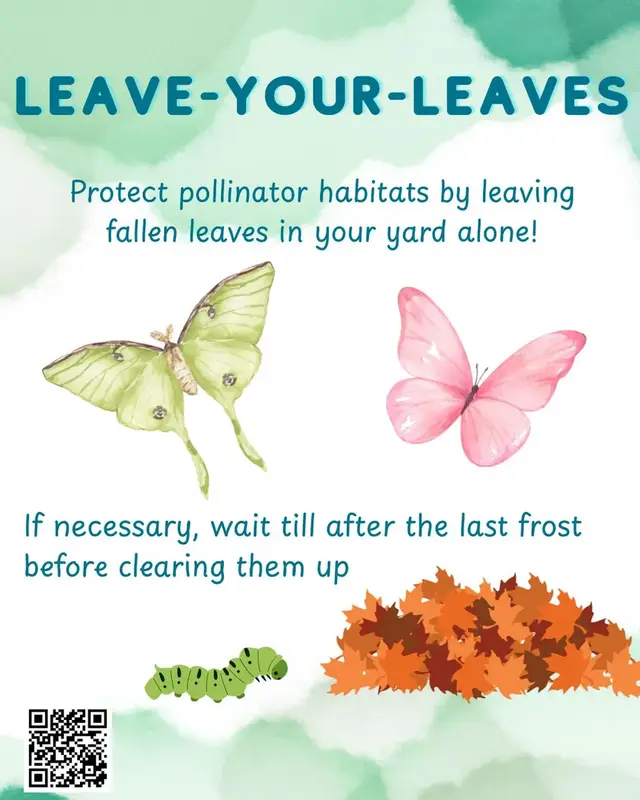 Flowers get a lot of attention but the fallen leaves in your yard serve a…♥ 14 · Oct 26
 “Every moment is an organizing opportunity, every person a potential activist…♥ 6 · Oct 28
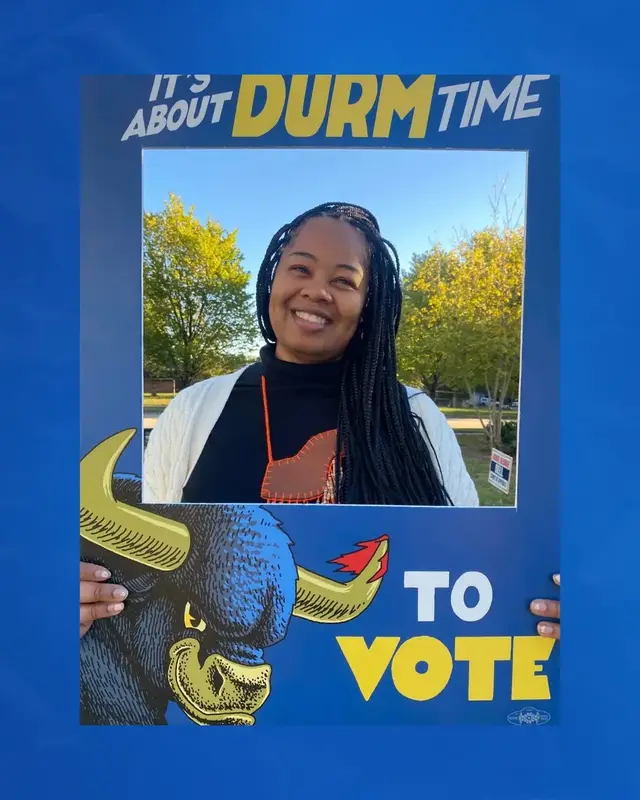 Election Day is a week away!♥ 6 · Oct 27
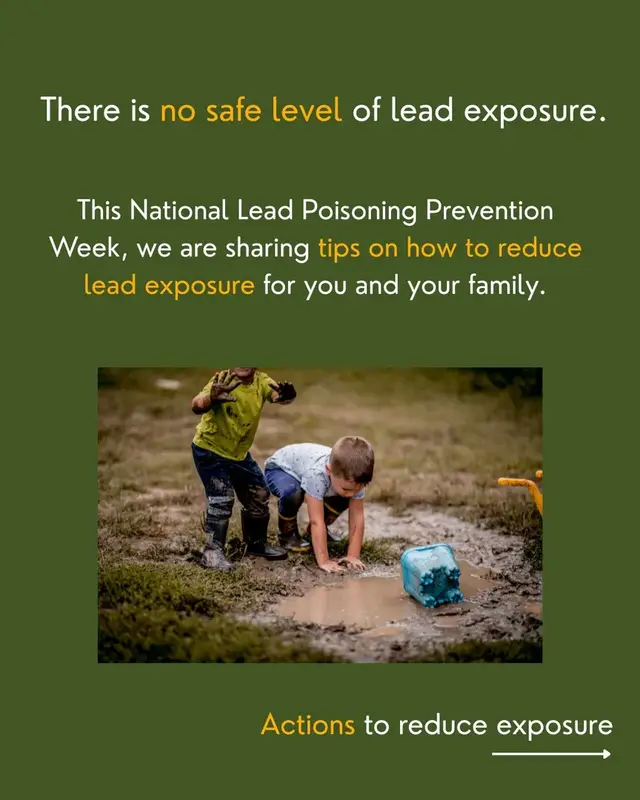 Lead is a naturally occurring, highly toxic heavy metal that builds up in the…♥ 3 · Oct 30
We've been excited to see all the ways farmers can engage with composting.
♥ 31 · Sep 16
As the growing season nears to a close, Women of Color Farmers Network members…
♥ 18 · Oct 29
Flowers get a lot of attention but the fallen leaves in your yard serve a…
♥ 14 · Oct 26
“Every moment is an organizing opportunity, every person a potential activist…
♥ 6 · Oct 28
Election Day is a week away!
♥ 6 · Oct 27
Lead is a naturally occurring, highly toxic heavy metal that builds up in the…
♥ 3 · Oct 30
 Toxic Free Kids
The Toxic Free Kids (TFK) Program aims to protect children’s health and development by minimizing toxic pesticides and chemicals where kids live, learn, and play.
 Just & Sustainable Agriculture
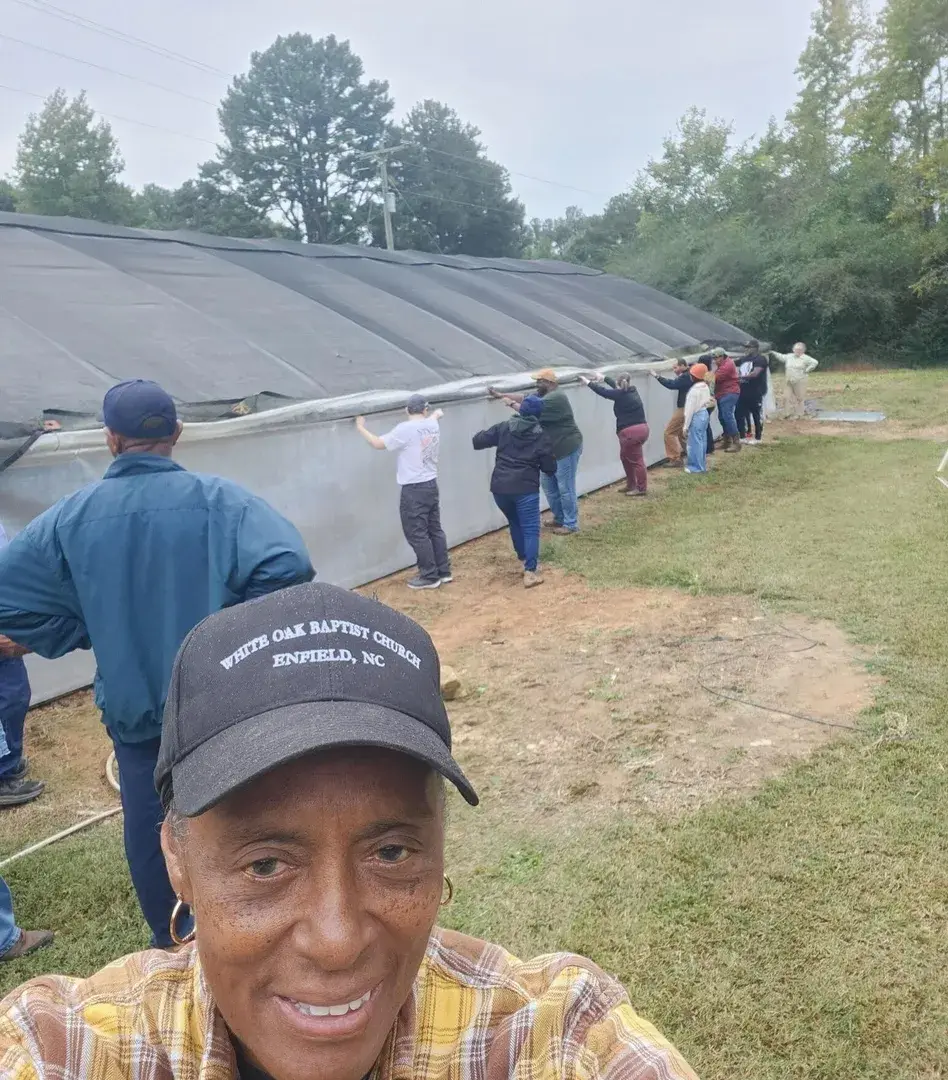
The Just and Sustainable Agriculture (JSA) program addresses the systemic flaws of industrial agriculture by building statewide participation to protect North Carolina’s frontline farmworkers and unique ecology; cultivating advocate-leaders for pesticide reform; and promoting exp
 Policy Advocacy
We advocate for corporate and legislative policies that advance a precautionary approach to chemical regulation to protect community health and biodiversity from pollution.
 Integrated Pest Management (IPM) in Child Care
provides training on the least-toxic approach to pest management in children’s environments, including homes, schools, and early education centers.
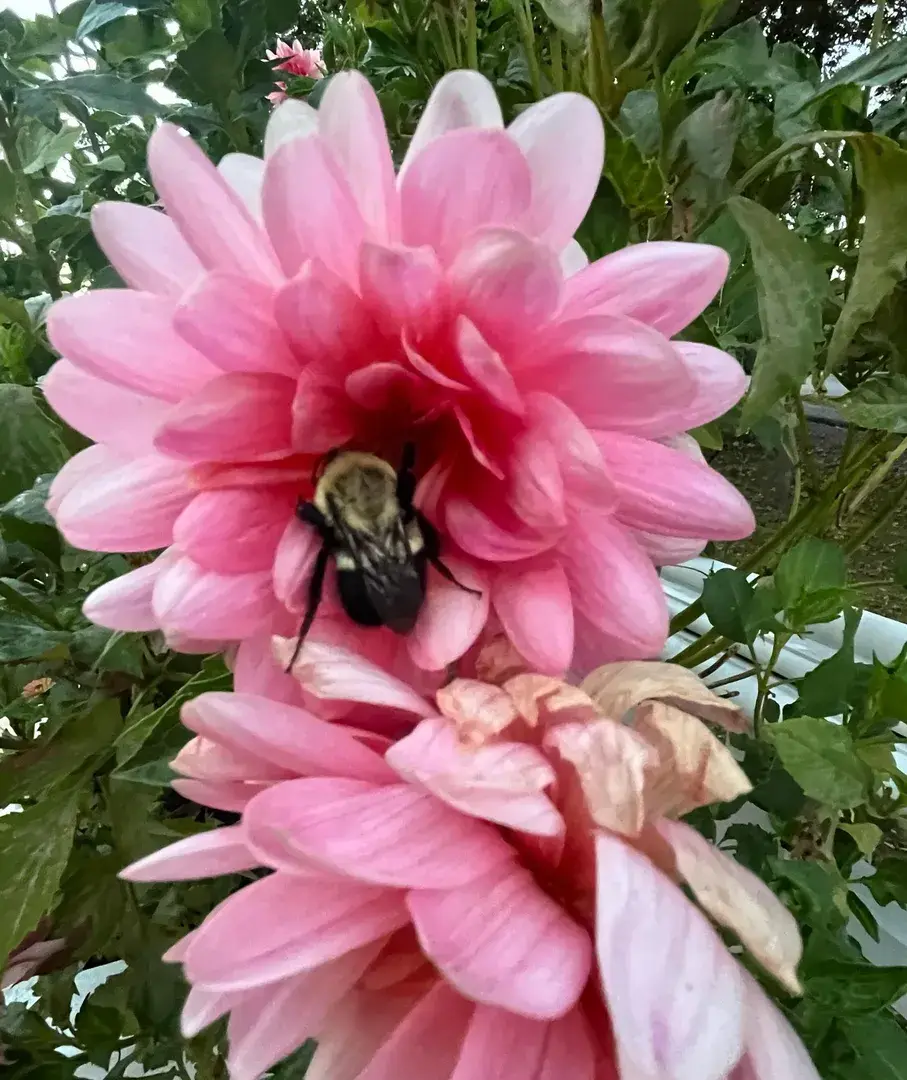
 Safeguarding Biodiversity
focuses on the importance of pollinating species to our food and ecological systems, advocates for reduction of harmful pesticides, and provides education and outreach about how biodiversity is impacted by pervasive use of pesticides and other contaminants.
 Farmer Capacity Building
is a continuation of our efforts to address systemic food system inequity, including expanded access to pesticide-free food by low and limited income communities.
 Farmworker Health and Justice
provides advocacy support to those on the front lines of pesticide exposure who are at high risk of injury due to weak, poorly enforced, or nonexistent regulations.
 Toxic Free on a Budget DIY workshops
Toxic Free North Carolina staff
We were there celebrating this caterpillar eating holes through this plant…
Sep 21

This Labor Day, we remember that the fight for safe, dignified work is inseparable from the fight for…
Sep 4
Pesticide free zones can help protect our health and maintain ecosystem balance.
Aug 28

🚨 Do not let EPA silence communities.
Aug 14
A farmer’s work is never really done.
Jul 16
With partners

About
Toxic Free North Carolina, based in Durham and founded in 1986, advocates for safe alternatives to harmful pesticides and chemicals through programs for farmworkers, farmers, parents and communities.